Guided Tour
Paine House Museum Tour
A volunteer-led walk through the circa-1691 tavern-turned-museum, covering its Colonial architecture, Civil War and railroad-era collections, and a working basement loom.
- Duration:
- 45 min
HauntBound archive · catalog record
Reported phenomena, as catalogued
A 1691 Coventry tavern-turned-museum where investigators say EVP sessions have identified a 19th-century family by name.
7 Station Street, Coventry, RI 02816
Research updated September 2026
Age
All Ages
Cost
$
$6 per adult, $4 per child; group tours by appointment
Access
Limited Access
Historic wood-frame house with stone entrance stairs from the sidewalk; multiple stories
Equipment
Photos OK
Est. 1691 · Colonial Tavern History · National Register of Historic Places · Kent County Settlement History
The oldest portion of the Paine House was built around 1691 by Samuel Bennett, who operated a sawmill nearby in what is now the Washington village section of Coventry. Around 1748, Francis Brayton bought and substantially enlarged the house; his son, Francis Brayton Jr., was licensed to run a tavern on the property in 1785, and local tradition credits the tavern with hosting the town's first meeting and election.
The Paine family took ownership in 1866, and their descendants donated the house to the Western Rhode Island Civic Historical Society in 1953, which has operated it as a museum ever since. The 2-and-a-half-story wood-frame building was listed on the National Register of Historic Places on May 1, 1974.
Today the museum's collection spans the property's centuries of use -- Civil War memorabilia, railroad artifacts from the line that once ran nearby, household goods, textiles, and tools -- along with a working loom in the basement that demonstrates raw material being converted into cloth. The society, an all-volunteer organization, opens the house Friday and Saturday mornings, with admission going directly toward maintaining the roughly 330-year-old structure.
Sources
Most of the Paine House's paranormal reputation traces to investigations by RISEUP (the Rhode Island Society for the Examination of Unusual Phenomena), led by Ken DeCosta. Team members Cody DesBiens and Satori Hawes have described sessions using EVP recorders and a knock-response system, in which they say a presence answered questions and, in one recording, replied "Finally, you can hear me."
The group's account attributes the activity to Sarah Whipple, daughter of a former Rhode Island lieutenant governor, along with her husband William and two daughters, Clara and Louise. DeCosta has said the family's deaths -- Sarah's, followed two weeks later by four-year-old Clara's, suggesting a shared illness -- are documented in historical records, and that the investigation's findings track those records.
A separate visitor who wrote about the house in 2016 reported furniture movement and EVP activity concentrated on the second floor, and noted an earlier recording, attributed to a different investigating group, of a voice identifying itself as a girl named Sarah -- though the writer, describing themselves as a skeptic, allowed that the recording could have been an investigator's own voice rather than a genuine EVP. As with any EVP-based claim, the recordings aren't independently verifiable; what's documented is that separate investigators, working independently, have converged on the same reported figure.
Notable Entities
A volunteer-led walk through the circa-1691 tavern-turned-museum, covering its Colonial architecture, Civil War and railroad-era collections, and a working basement loom.
Some links on this page may earn HauntBound a small commission when you book, at no extra cost to you. Our editorial picks are independent. Full disclosure
Every HauntBound history is researched from documented sources. We clearly separate verified historical fact from paranormal folklore.
Free Guide
10 verified stops, rated for families, mapped in order. Free.
One email to confirm, then the guide link. Unsubscribe anytime.
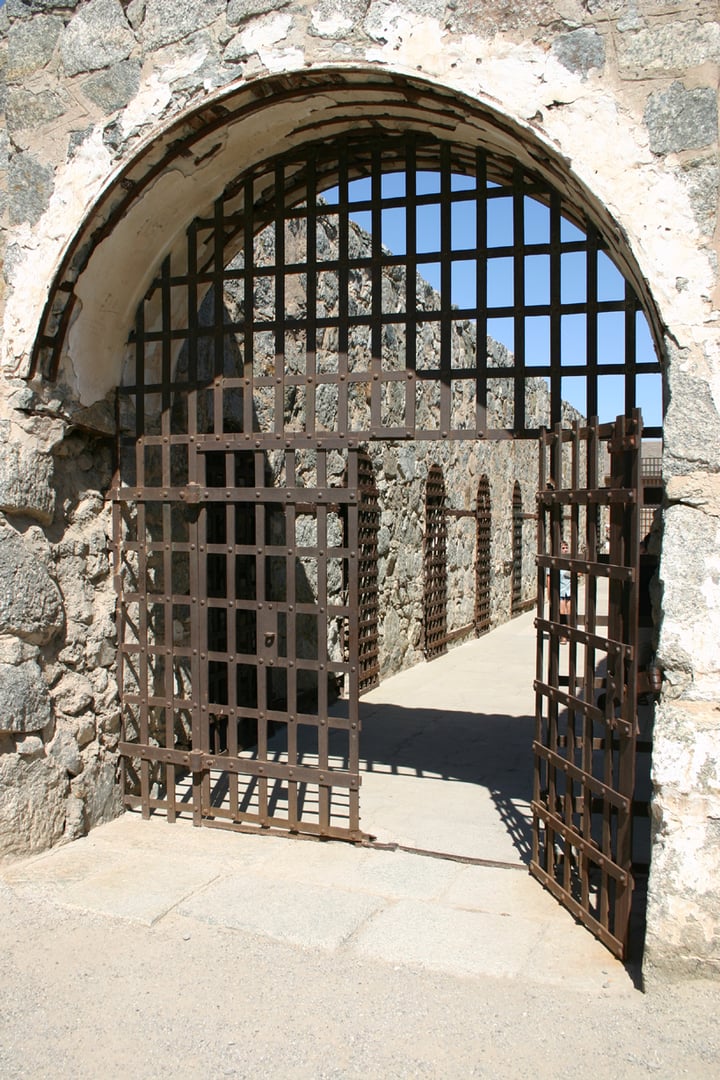
Yuma, AZ
Yuma Territorial Prison operated from 1876 to 1909 on a bluff overlooking the Colorado River in Yuma, Arizona. It held 3,069 prisoners during its 33-year operation, including 29 women. The facility became a state historic park and has been voted by USA Today readers as the Best Haunted Destination in the nation.
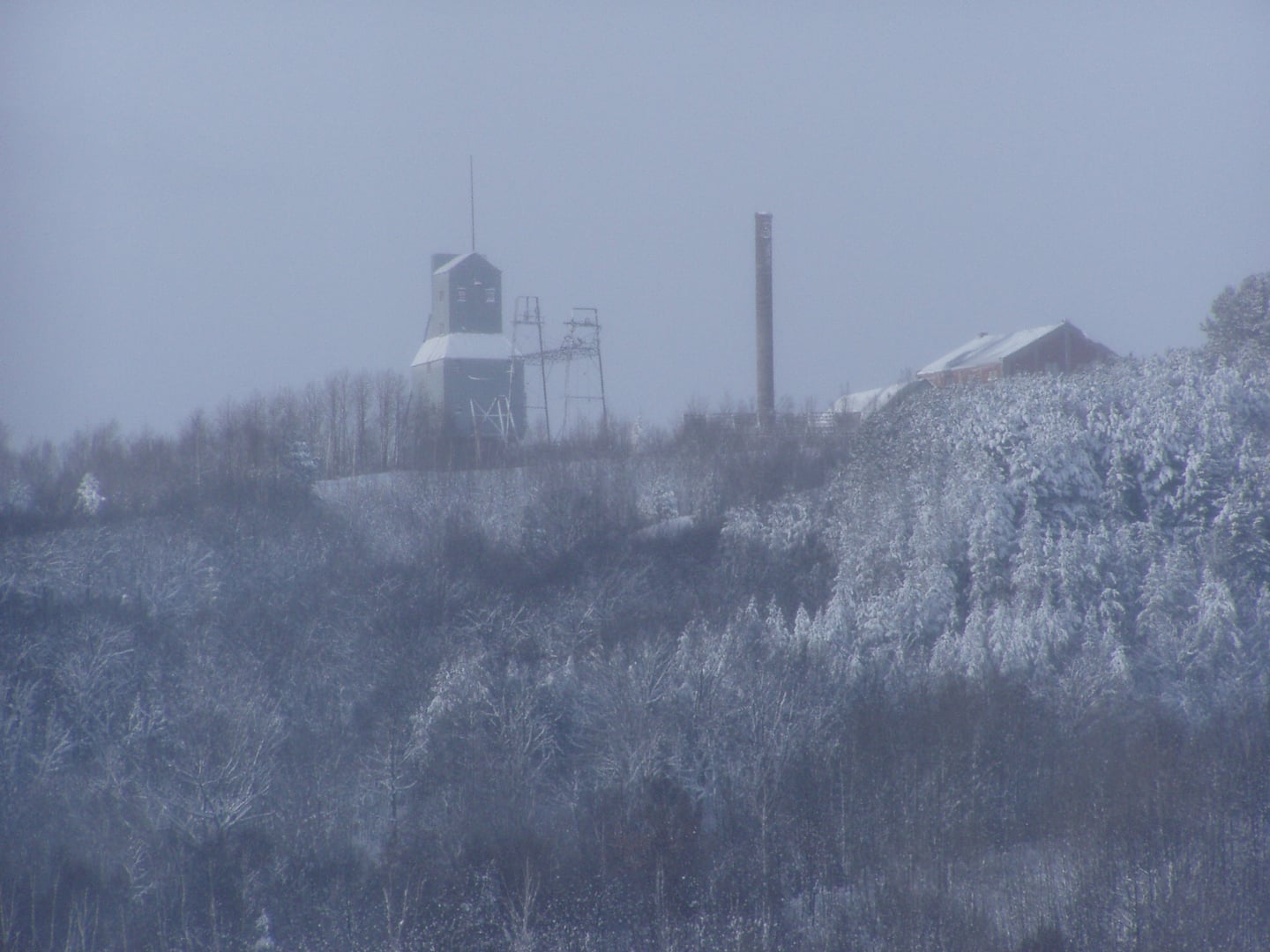
Hancock, MI
The Quincy Mining Company began extracting copper from the Keweenaw Peninsula in 1846 and operated continuously until 1945, producing nearly a billion pounds of copper. During that period, 253 workers died in documented underground accidents. At its deepest, the mine reached 9,000 feet — the deepest copper mine in the world at the time — and its No. 2 shaft hoist house is a National Historic Landmark.
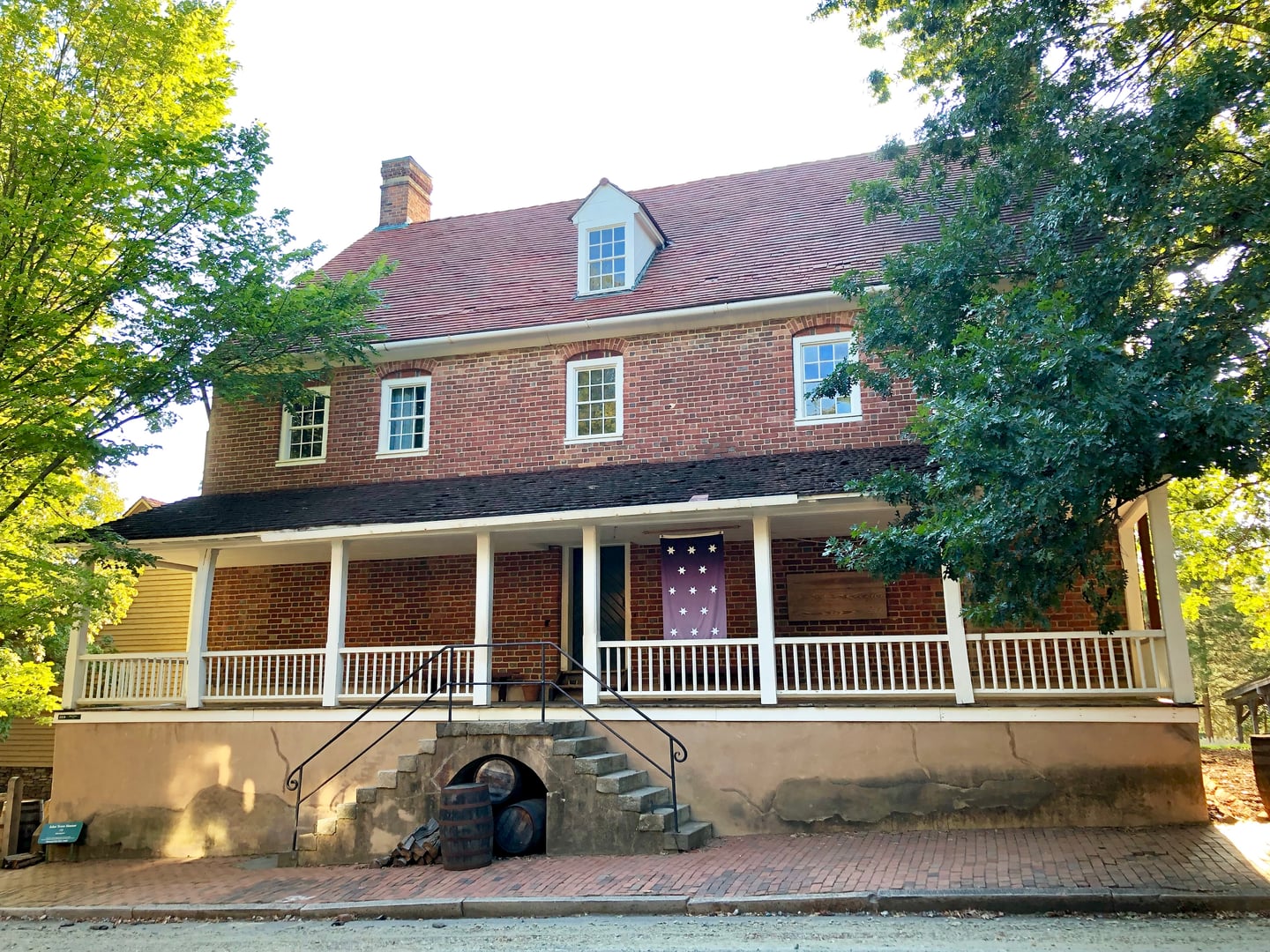
Winston-Salem, NC
The Salem Tavern was built in 1784 to serve travelers stopping in the Moravian settlement at Salem, North Carolina. The Moravian congregation built and operated the tavern — a common enterprise in Moravian settlements — as a source of revenue and a place of hospitality for outsiders. President George Washington lodged here in May 1791 during his Southern Tour, an event documented in his own diary.