Est. 1777 · Revolutionary War Encampment · National Historical Park · Continental Army · Washington's Headquarters
Valley Forge sits roughly eighteen miles northwest of Philadelphia along the Schuylkill River. After the British occupation of Philadelphia following the Battle of Brandywine, General George Washington selected this defensible plateau for winter quarters and led the Continental Army into camp on December 19, 1777.
Approximately 12,000 soldiers and 400 camp followers constructed between 1,500 and 2,000 log huts in parallel lines across the hillsides. The huts measured roughly 14 by 16 feet and housed up to a dozen soldiers each. Food, clothing, and blankets remained chronically short throughout the winter. Typhus, dysentery, influenza, and exposure killed an estimated 2,000 soldiers over the six-month encampment, a higher mortality than any battle of the Revolutionary War and more deaths than Brandywine and Germantown combined.
In February 1778 the Prussian officer Baron Friedrich von Steuben arrived and began the systematic drill and discipline training that transformed the Continental Army into a force capable of standing against British regulars. Following news of the French alliance in May 1778, the army departed Valley Forge on June 19, 1778, and engaged the British at the Battle of Monmouth shortly thereafter.
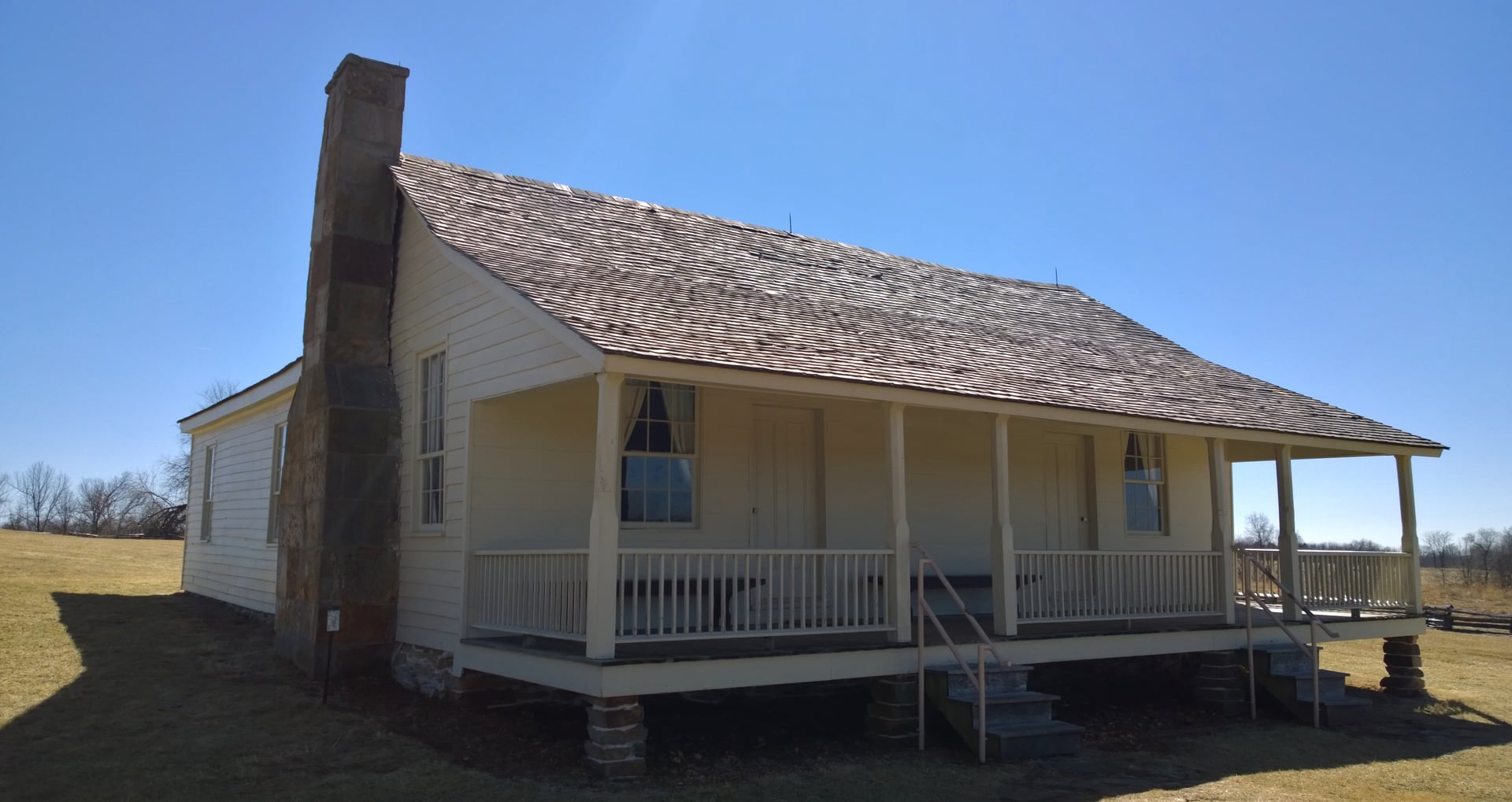
The site became Valley Forge State Park in 1893 and was transferred to the National Park Service in 1976. The 3,500-acre park preserves reconstructed soldier huts, the Washington Memorial Arch dedicated in 1917, Artillery Park, the Muhlenberg Brigade huts, and Washington's Headquarters at the Isaac Potts House.
Sources
- https://en.wikipedia.org/wiki/Valley_Forge
- https://www.nps.gov/vafo/
- https://www.battlefields.org/learn/articles/valley-forge-encampment
- https://www.mountvernon.org/library/digitalhistory/digital-encyclopedia/article/valley-forge
ApparitionsPhantom soundsPhantom smells
Valley Forge's haunted reputation dates at least to the 1890s, when Victorian-era publications described ghostly campfires and apparitions of Revolutionary soldiers on the hillsides during stormy nights. The folklore has persisted through the twentieth and twenty-first centuries, fueled in part by the documented death toll of approximately 2,000 soldiers from disease and exposure.
Visitors have reported the figures of men in Continental Army dress standing near the reconstructed huts and along the earthworks at Artillery Park, distant musket reports echoing across the Grand Parade at night, and the smell of woodsmoke in areas without active fires. One persistent tale concerns the spirit of Elizabeth Graeme Ferguson, a colonial-era poet associated with nearby Graeme Park, whose loyalist husband never returned to her after the Revolution.
National Park Service historian Joseph Lee Boyle has noted that despite the long-standing reputation for ghostly burials, no substantiated human graves have been documented in archaeological work at the park. Eighteenth-century records indicate that soldiers who became seriously ill in camp were transported to outlying hospitals in Yellow Springs, Reading, and elsewhere; many of the burial features once attributed to soldier graves have been re-identified as offal pits from livestock slaughter for rations.
Notable Entities
Continental Army soldiersElizabeth Graeme Ferguson