Museum Visit
Tour the 1758 Sun Inn
Tour the 1758 Sun Inn on Main Street in Bethlehem's Moravian Historic District. Visited by George Washington, Alexander Hamilton, and Benjamin Franklin during the Revolutionary era.
- Duration:
- 1.5 hr
HauntBound archive · catalog record
Reported phenomena, as catalogued
Bethlehem's Moravian Revolutionary-era inn and museum
564 Main Street, Bethlehem, PA 18018
Research updated May 2026
Age
All Ages
Cost
$
Standard museum admission; restaurant pricing varies. Visit suninnbethlehem.org for current hours and tour offerings.
Access
Limited Access
Eighteenth-century inn with multiple levels
Equipment
Photos OK
Est. 1758 · 1758 Moravian inn · Hosted Washington, Hamilton, and Franklin · Moravian defensive tunnel system · Bethlehem Moravian Historic District
The Sun Inn was built in 1758 by the Moravian community of Bethlehem, Pennsylvania and quickly became one of the best-known inns of colonial and Revolutionary-era Pennsylvania. The inn provided excellent food, hospitality, and accommodations to many of the period's most prominent travelers, including George Washington, Alexander Hamilton, and Benjamin Franklin, among other Revolutionary-era figures.
The Moravians built a network of defensive tunnels in Bethlehem in case of attack, and the existence of these tunnels has been substantiated in archival and oral records, with one entrance documented in the cellar of the Sun Inn. The 1758 Sun Inn continues to operate as a historic museum and dining venue on Main Street in the Bethlehem Moravian Historic District.
The 'Brother Albrecht' legend associated with the inn comes from a 1914 work of historical fiction, Brother Albrecht's Secret Chamber: A Legend of the Ancient Moravian Sun Inn of Bethlehem, Pennsylvania, by James B. Laux. The book is a published romance rather than a documented event, and the 'hidden treasure' detail in the Shadowlands account derives from Laux's fictional treatment rather than Moravian archival history.
Sources
Local Bethlehem tradition associates the Sun Inn with cold spots and a felt presence in the cellar, often linked to the Brother Albrecht published-fiction legend in which a Moravian brother hides treasure and wine in a secret chamber and continues to guard the cache. The Brother Albrecht story is a 1914 historical-fiction work by James B. Laux rather than a documented Moravian incident, but the legend has become entangled with the inn's actual history.
Visitor and staff reports include cold spots in the cellar and along the second-floor corridors, sensations of being watched, and a general sense of presence consistent with the building's documented eighteenth-century use as an inn. The phenomena reported are gentle rather than threatening.
Notable Entities
Tour the 1758 Sun Inn on Main Street in Bethlehem's Moravian Historic District. Visited by George Washington, Alexander Hamilton, and Benjamin Franklin during the Revolutionary era.
Dine in the historic Sun Inn dining rooms; check the current restaurant operator for hours and menu.
Some links on this page may earn HauntBound a small commission when you book, at no extra cost to you. Our editorial picks are independent. Full disclosure
Every HauntBound history is researched from documented sources. We clearly separate verified historical fact from paranormal folklore.
Free Guide
11 verified stops, rated for families, mapped in order. Free.
One email to confirm, then the guide link. Unsubscribe anytime.
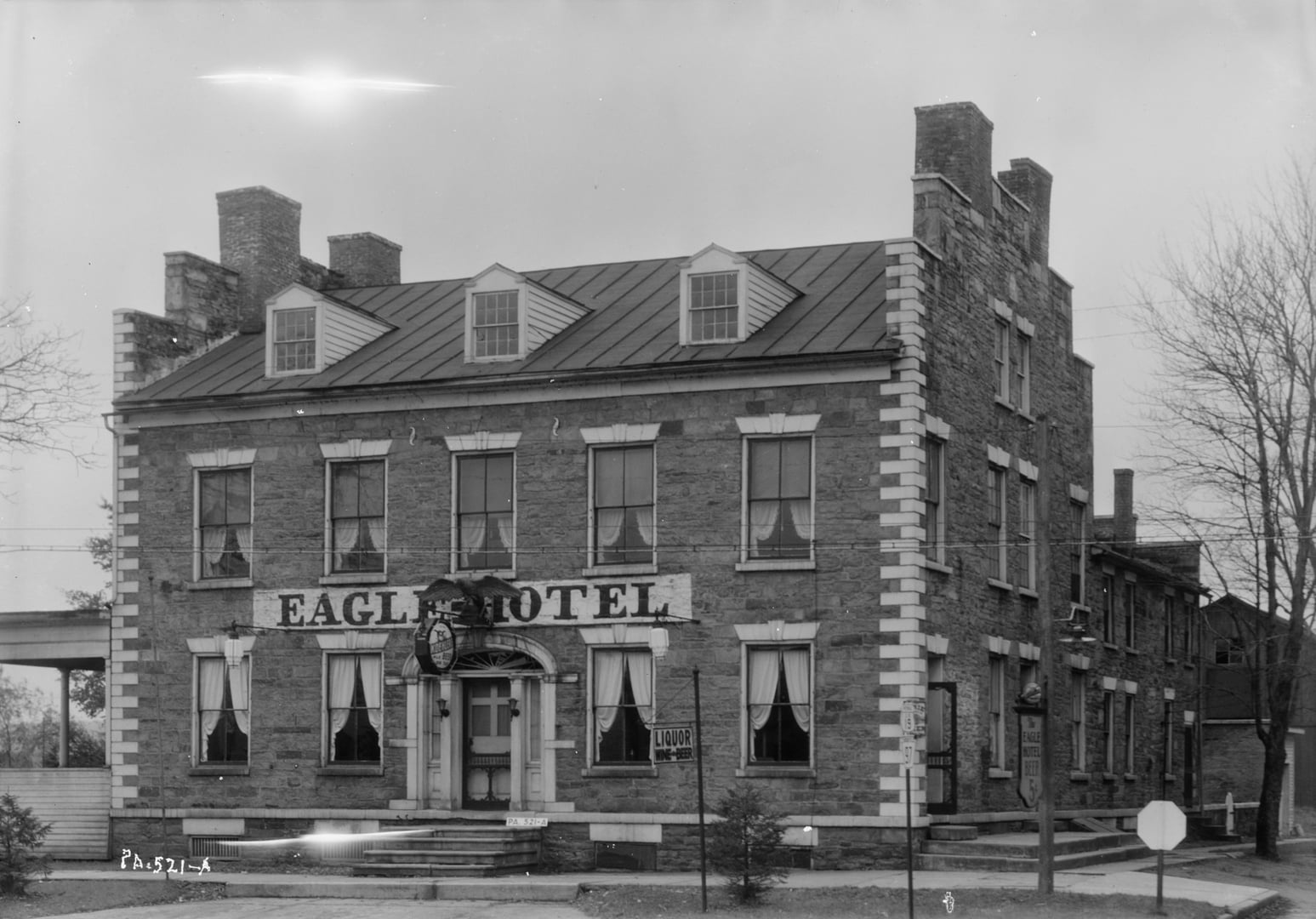
Waterford, PA
The Eagle Hotel in Waterford, Erie County, Pennsylvania was built in 1826 by Thomas King, using locally quarried fieldstone. The 2½-story L-shaped inn served as a stagecoach stop and livery stable during the canal and turnpike era. President Zachary Taylor was among its guests. It was listed on the National Register of Historic Places in 1977.
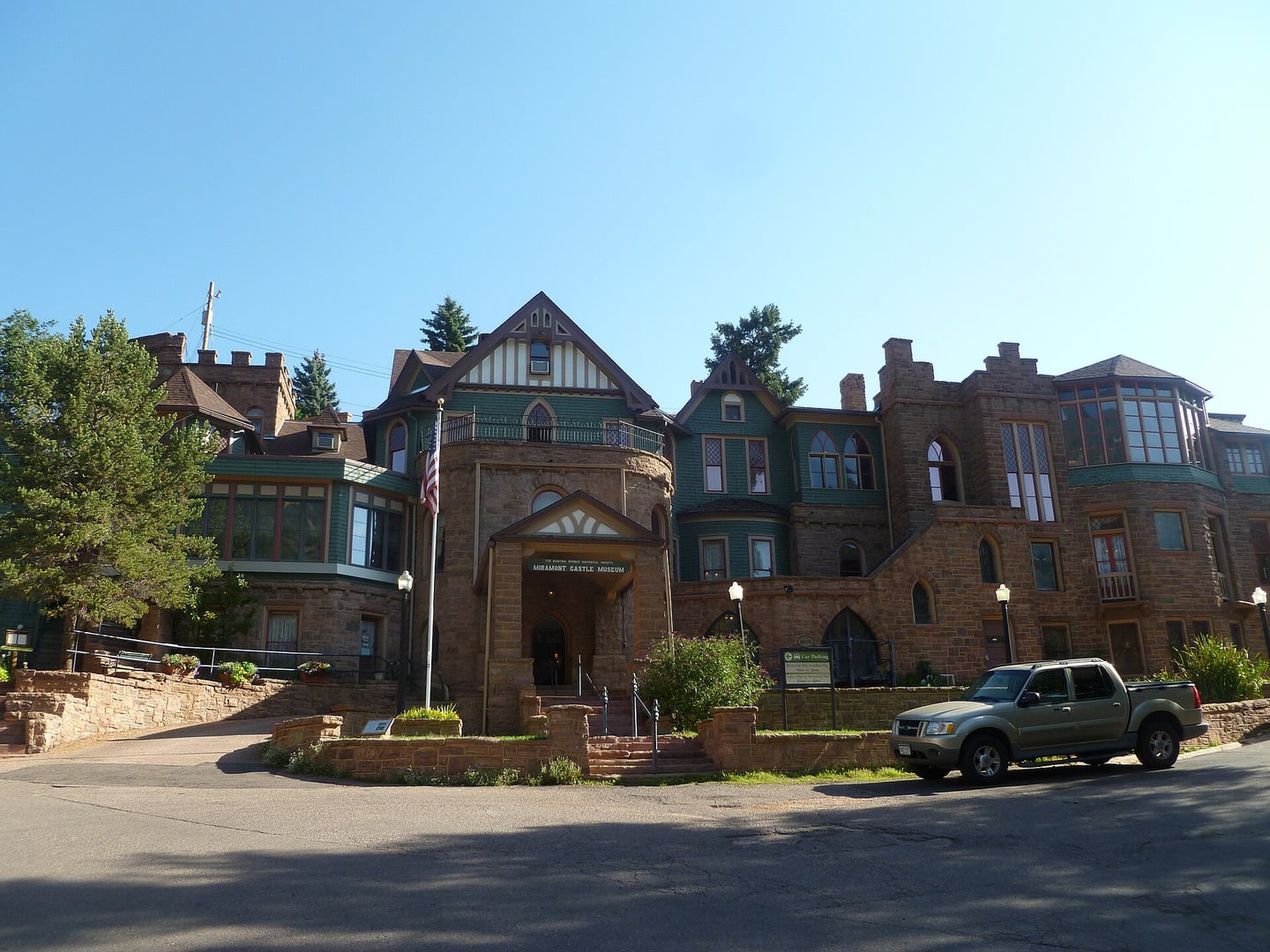
Manitou Springs, CO
Miramont Castle was built in 1895 as a private home for French-born Catholic priest Jean Baptist Francolon. It combines nine architectural styles across forty rooms and 14,000 square feet. The Sisters of Mercy purchased it in 1904 for use as a tuberculosis sanatorium. The Manitou Springs Historical Society acquired the property in 1975 and opened it as a museum in 1977.
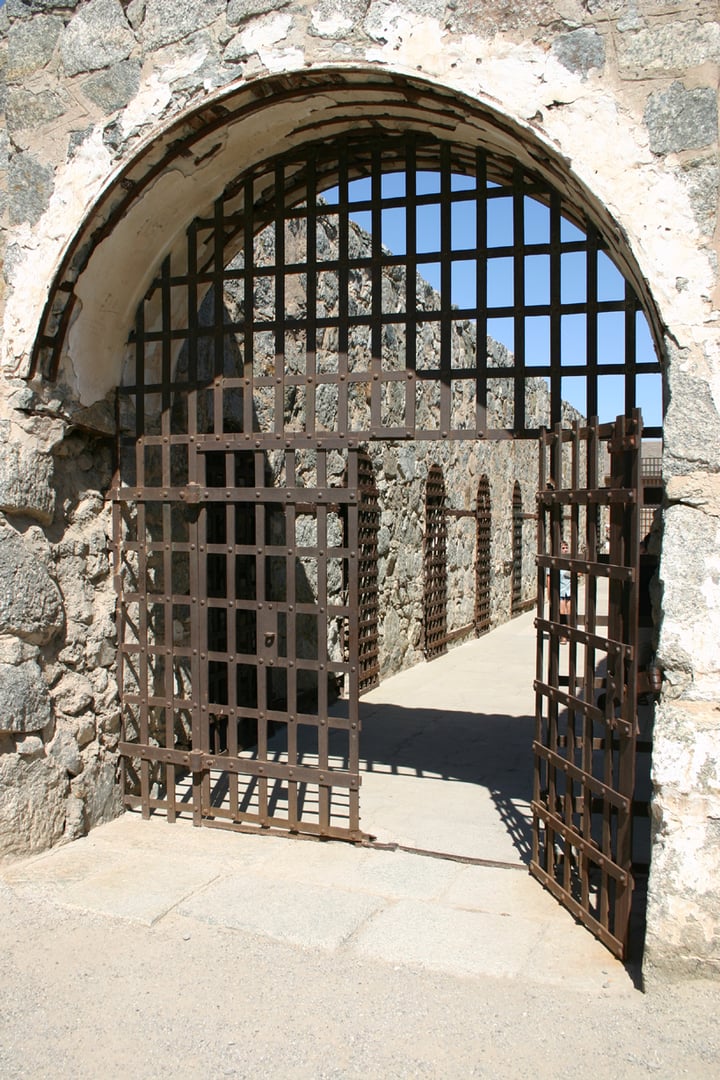
Yuma, AZ
Yuma Territorial Prison operated from 1876 to 1909 on a bluff overlooking the Colorado River in Yuma, Arizona. It held 3,069 prisoners during its 33-year operation, including 29 women. The facility became a state historic park and has been voted by USA Today readers as the Best Haunted Destination in the nation.