Est. 1716 · American Revolution · Battles of Lexington and Concord · Ralph Waldo Emerson · Colonial Architecture
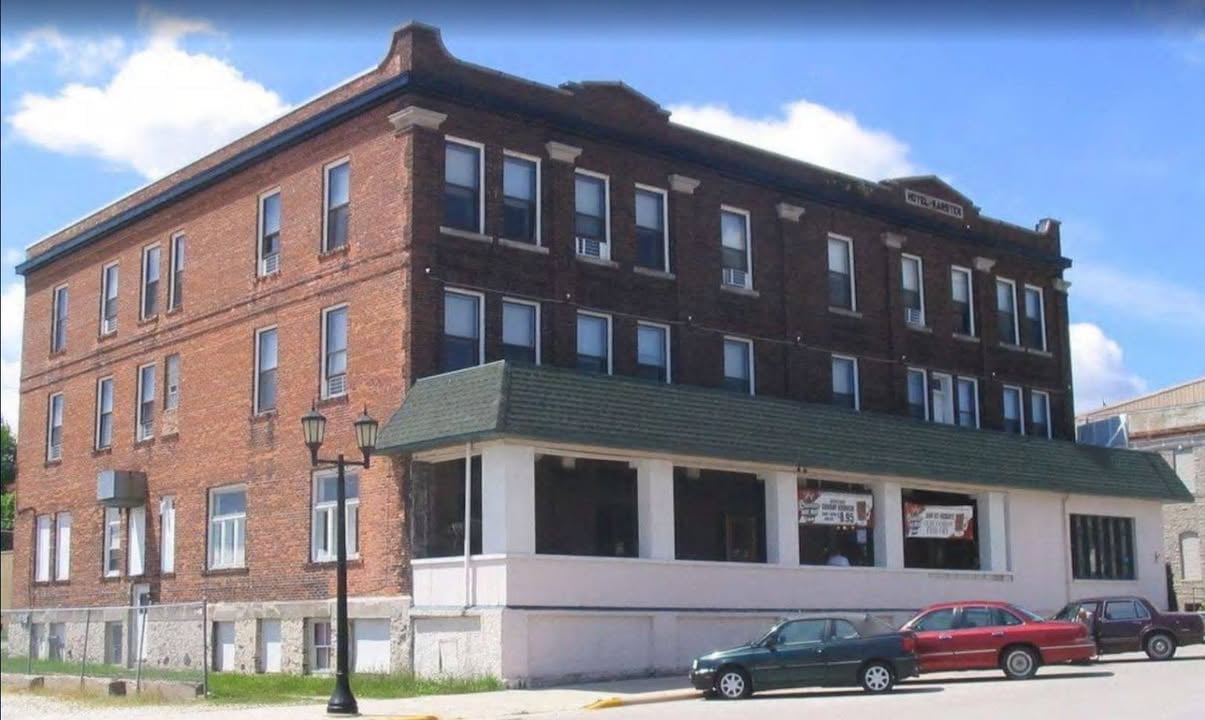
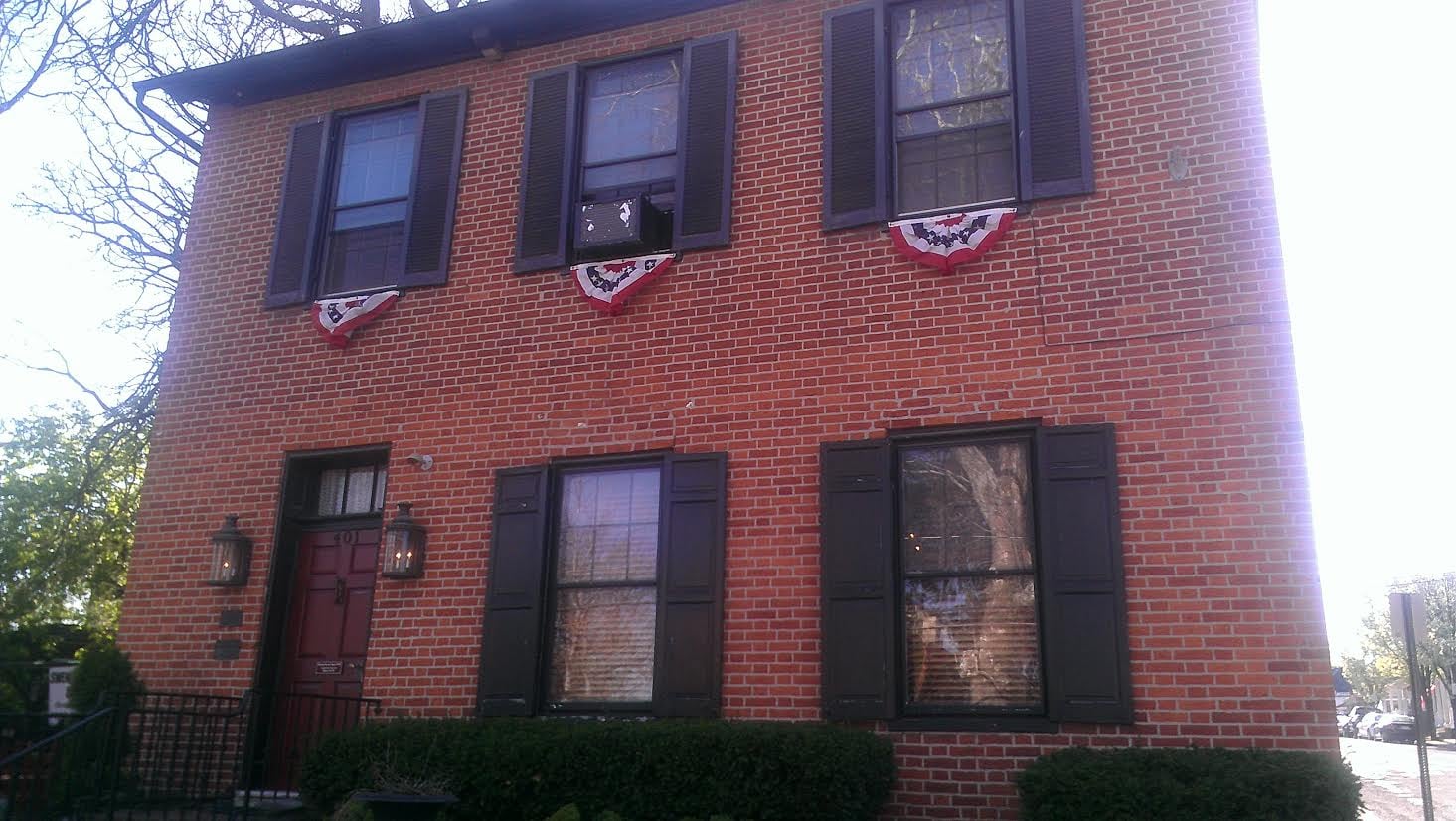
The building at 48 Monument Square in Concord, Massachusetts dates to 1716, placing its construction in the colonial era well before the events that would make Concord famous. The structure served as a private residence for much of the following six decades.
On April 19, 1775, the Battles of Lexington and Concord — the opening military engagements of the American Revolutionary War — took place within the town. Dr. Timothy Minot, who occupied the Main Inn building, converted his home into a medical facility for the wounded. Room 24, on the second floor, became the operating room where Minot treated soldiers from both sides. Crude surgical methods by 18th-century standards meant that many men who entered this room as casualties did not survive their treatment.
Ralph Waldo Emerson, the philosopher and essayist, lived in a portion of the property during his early career, adding a literary dimension to the building's historical associations.
The property was developed into a hotel over time, incorporating the original Main Inn with a contemporary Prescott Wing and additional outbuildings (The Cottage and Rebecca's House). The 56-room inn sits on Monument Square, steps from the Concord town center and close to the North Bridge where the first organized resistance to British forces occurred. Ghost Hunters investigated the property. The Historic Hotels of America has recognized Concord's Colonial Inn on its haunted hotels list.
The first documented paranormal report from Room 24 was recorded in 1966, when a honeymooning couple — Judith and M.P. Fellenz — left abruptly and subsequently wrote to the innkeeper describing experiences that began that night.
Sources
- https://www.concordscolonialinn.com/
- https://www.historichotels.org/us/hotels-resorts/concords-colonial-inn/ghost-stories.php
- https://usghostadventures.com/haunted-places/concords-colonial-inn/
- https://concordbridge.org/index.php/2025/10/31/guests-meet-ghosts-inside-colonial-inns-haunted-hallways/
- https://hauntedrecord.com/2026/04/29/dr-minots-operating-room-the-real-ghosts-of-concords-colonial-inn/
- https://www.ghostsofnewengland.com/concords-colonial-inn-1716/
ApparitionsLights flickeringOrbsCold spotsPhantom soundsPhantom voices
The paranormal record at Concord's Colonial Inn is unusually anchored in documentation. Room 24's first reported incident — the 1966 honeymoon departure and subsequent written account — is cited consistently in accounts of the property, and the inn has preserved this documentation. The letter from Judith Fellenz, beginning with 'I have always prided myself on being a fairly sane individual, but on the night of June 14, I began to have my doubts,' has become part of the inn's institutional history.
Subsequent reports from Room 24 describe a consistent pattern. Guests report waking to find lights and the television activated without their input. Flickering lights are documented independently by visitors who did not have prior knowledge of the room's reputation. Floating orbs of light have been photographed in the room. Staff and guests have reported apparitions in Colonial-era dress in and around the room.
The historical rationale for Room 24's activity is specific: it served as an operating room in 1775. Men died from battlefield wounds in this room under primitive surgical conditions. The building's 310-year age and its proximity to the North Bridge — where colonial militiamen fired on British regulars in what Emerson called 'the shot heard round the world' — provides a dense historical context that investigators find unusually compelling.
Ghost Hunters investigated Concord's Colonial Inn, and the property has appeared on the Historic Hotels of America haunted hotels list multiple times. The inn's website includes a dedicated haunted history section with documented guest accounts.
Notable Entities
Revolutionary War Soldiers