Rolling Mill Mine Disaster of 1902 · Cambria Steel Company History · Immigrant Coal-Mining Labor · Pennsylvania Mining Disaster
The Rolling Mill Mine was one of the coal mines that fed the Cambria Steel Company's works at Johnstown, dug into the hillside below Westmont. On July 10, 1902, about 400 men were working underground when an explosion tore through the mine.
The Heritage Johnstown account explains that the blast itself was relatively contained, but that this was not a mercy: the uneven mix of methane and oxygen produced a wave of carbon monoxide, and the afterdamp saturated the chambers of the mine. Roughly 150 men became trapped in a section the miners called the Klondike. Rescue work took close to twenty-four hours to reach the trapped crews. In all, 112 miners died.
Most of the dead were Southeastern European immigrants — Italian, Hungarian, Croatian, Greek, and Serbian men, many of them under thirty. Bodies were carried to a local armory for identification, and many of the men whose families could not be reached were buried in the Morrellsville cemetery, some without marked graves. The disaster was one of the worst in Pennsylvania coal history at the time, and it fell on a workforce that had little voice in the conditions that killed them.
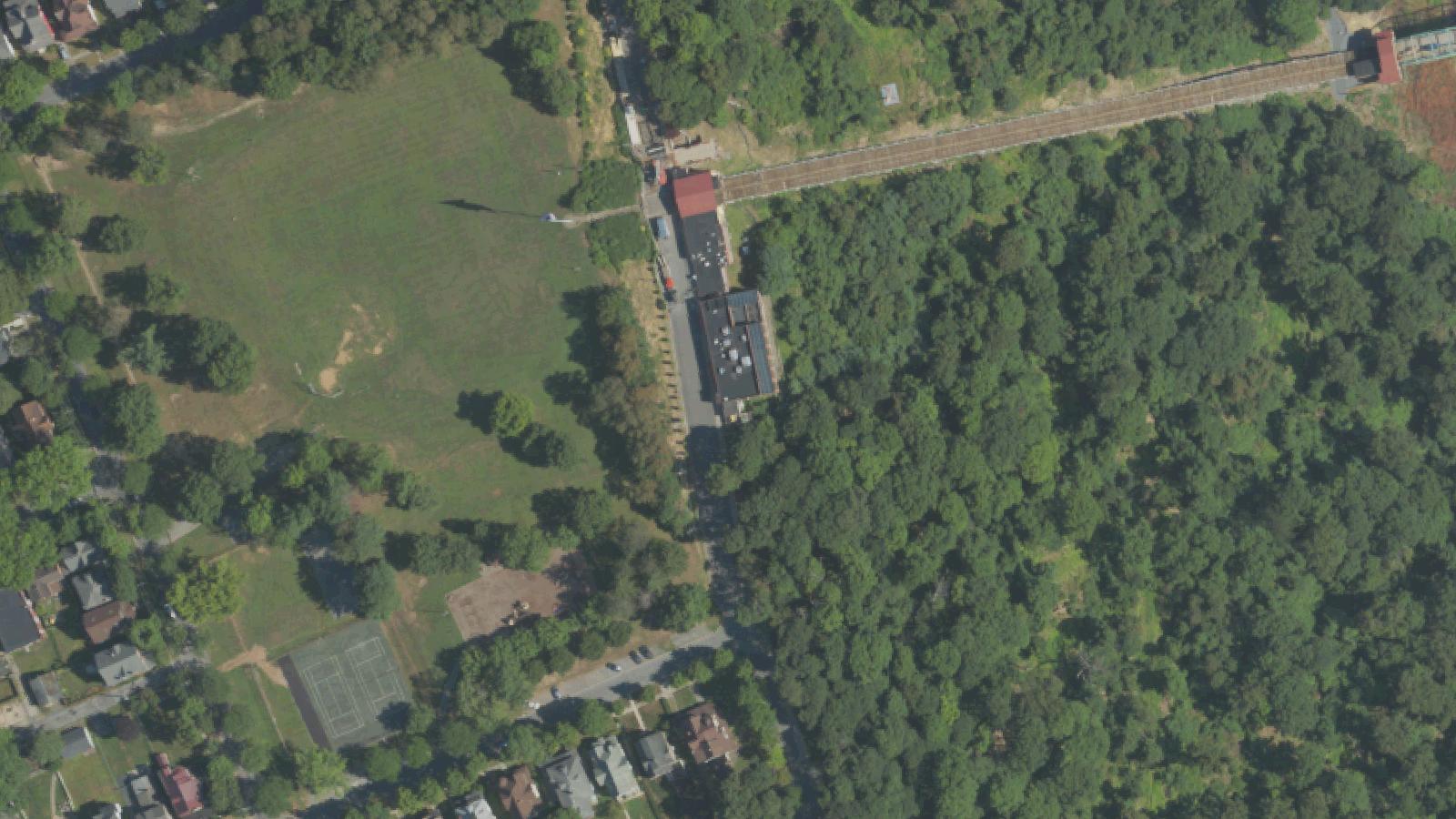
The mine workings are long closed. The James Wolfe Sculpture Trail now runs along the hillside near the former approach to the mine, close to the Johnstown Inclined Plane, combining public art with the steep ground that the miners climbed to and from work.
Sources
- https://www.heritagejohnstown.org/unseen-by-the-world-johnstowns-1902-rolling-mill-mine-disaster/
- https://walterhutskyjr.com/johnstown-pa-haunted-locations/
ApparitionsPhantom figuresResidual hauntingSense of presence
The haunting associated with the Rolling Mill Mine is one of place rather than a building, since the mine itself is gone. The claim, recorded in the walterhutskyjr.com survey of Johnstown locations, is that people have seen apparitions of phantom miners walking the James Wolfe Sculpture Trail that leads up toward the old mine entrance.
The lore is grounded in the scale of the 1902 loss: 112 men died in the workings on a single July day, most of them immigrant laborers, and the trail now crosses the ground they would have walked to and from their shifts. Reports describe figures on the hillside in working clothes rather than detailed encounters, and they are folkloric and undocumented in any systematic way.
The site is best understood as a place where a documented disaster has left a strong local memory. The sculpture trail's wooded grades and the city below produce their own light and movement, and the accounts that circulate are restrained — sightings at a distance, a sense of company on the path — rather than dramatic. Visitors who come are mostly there for the art and the overlook, with the mine history as the deeper layer beneath both.