Outdoor Exploration
Visit Pendora Park
Walk Pendora Park in East Reading. The park sits below the 1927 Lindbergh Viaduct, the first concrete viaduct built on a curve in the United States.
- Duration:
- 1 hr
HauntBound archive · catalog record
Reported phenomena, as catalogued
Reading City Park Below the 1927 Lindbergh Viaduct
19th and Perkiomen Avenue, Reading, PA 19606
Research updated June 2026
Age
All Ages
Cost
Free
Free public park access.
Access
Wheelchair OK
Paved park paths; some grassy areas
Equipment
Photos OK
Est. 1907 · Original 1907 commercial amusement park · Lindbergh Viaduct (1927) - first concrete viaduct on a curve in the U.S.
Pendora Park's first identity was as a commercial amusement park. It opened to the public on July 25, 1907 as a 14-acre park bordered by 18th Street, Mineral Spring Road, Forest Street, and 19th Street. The original park included a lagoon (converted from Sweeney's Ice Dam), an 8-building amusement complex called 'the white city,' a roller skating rink, a bowling alley, a Shoot-the-Chutes water slide, a penny arcade, ice cream parlors, and a merry-go-round.
A major fire on January 3, 1911 destroyed most of the amusement park, leaving only a band shell and the merry-go-round. The amusement park did not reopen. After a 1917 thunderstorm caused a flood that burst the ice dam, the City of Reading purchased the land in 1918 and converted it into a city playground. The park has retained the Pendora Park name.
The Lindbergh Viaduct was constructed across the park in 1927 to provide an additional eastern entrance to Reading. The viaduct was designed by Berks County Engineer Charles F. Sanders and is recognized as the first concrete viaduct built on a horizontal curve in the United States, with construction costing approximately $470,000. The viaduct forms a dramatic backdrop to the park and has, over the decades since its construction, been the site of fatal falls.
Sources
Pendora Park's haunted reputation is anchored to the Lindbergh Viaduct that arcs above its eastern edge. The viaduct has, across its nearly 100-year history, been the site of fatal falls, and Reading-area local tradition associates the park below with quiet auditory phenomena interpreted as sounds of distress.
Reports collected over the years include sounds resembling distant calling or crying near the underside of the bridge, occasionally described as voices and occasionally as wind-like effects; a sense of being watched in the park during early evening hours; and brief sightings of figures glimpsed near the viaduct's footings. These reports are typical of the kind of layered atmosphere that very old transportation bridges over public parks tend to acquire, and visitors should treat them as part of the local oral tradition rather than as a programmed attraction.
The city park itself is a normal daytime recreational space, and the reported phenomena are not associated with the playground or the original 1907 amusement-park footprint.
Walk Pendora Park in East Reading. The park sits below the 1927 Lindbergh Viaduct, the first concrete viaduct built on a curve in the United States.
Some links on this page may earn HauntBound a small commission when you book, at no extra cost to you. Our editorial picks are independent. Full disclosure
Every HauntBound history is researched from documented sources. We clearly separate verified historical fact from paranormal folklore.
Free Guide
11 verified stops, rated for families, mapped in order. Free.
One email to confirm, then the guide link. Unsubscribe anytime.
Gatlinburg, TN
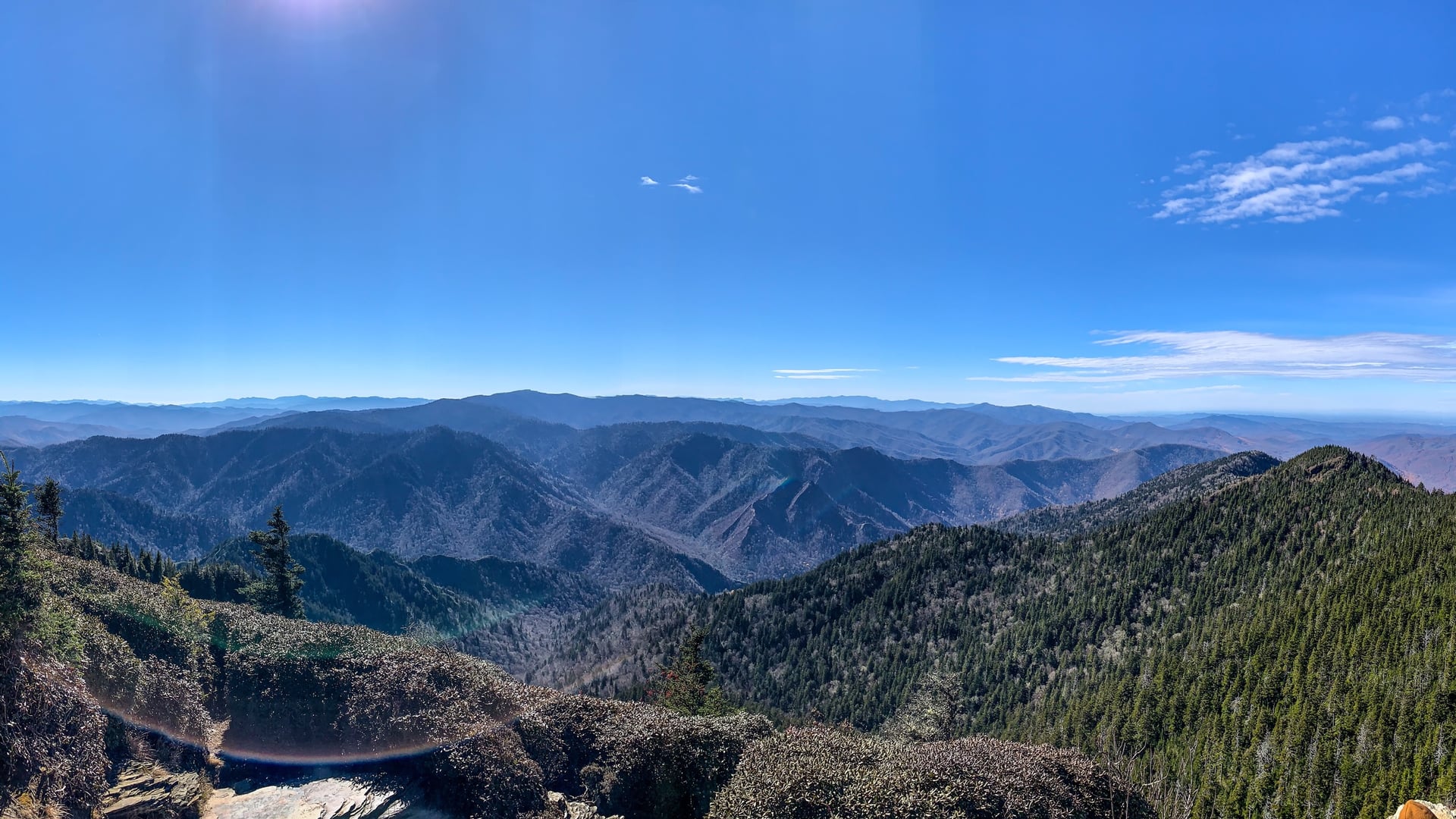
Great Smoky Mountains National Park preserves 522,427 acres of southern Appalachian terrain across Tennessee and North Carolina. The land was the heart of the Cherokee Nation before forced removal in 1838 along what became the Trail of Tears, and home to Appalachian Scots-Irish and English settler communities through the early twentieth century. Congress authorized the park in 1926; it was formally dedicated by Franklin D. Roosevelt on September 2, 1940.
Centralia, PA
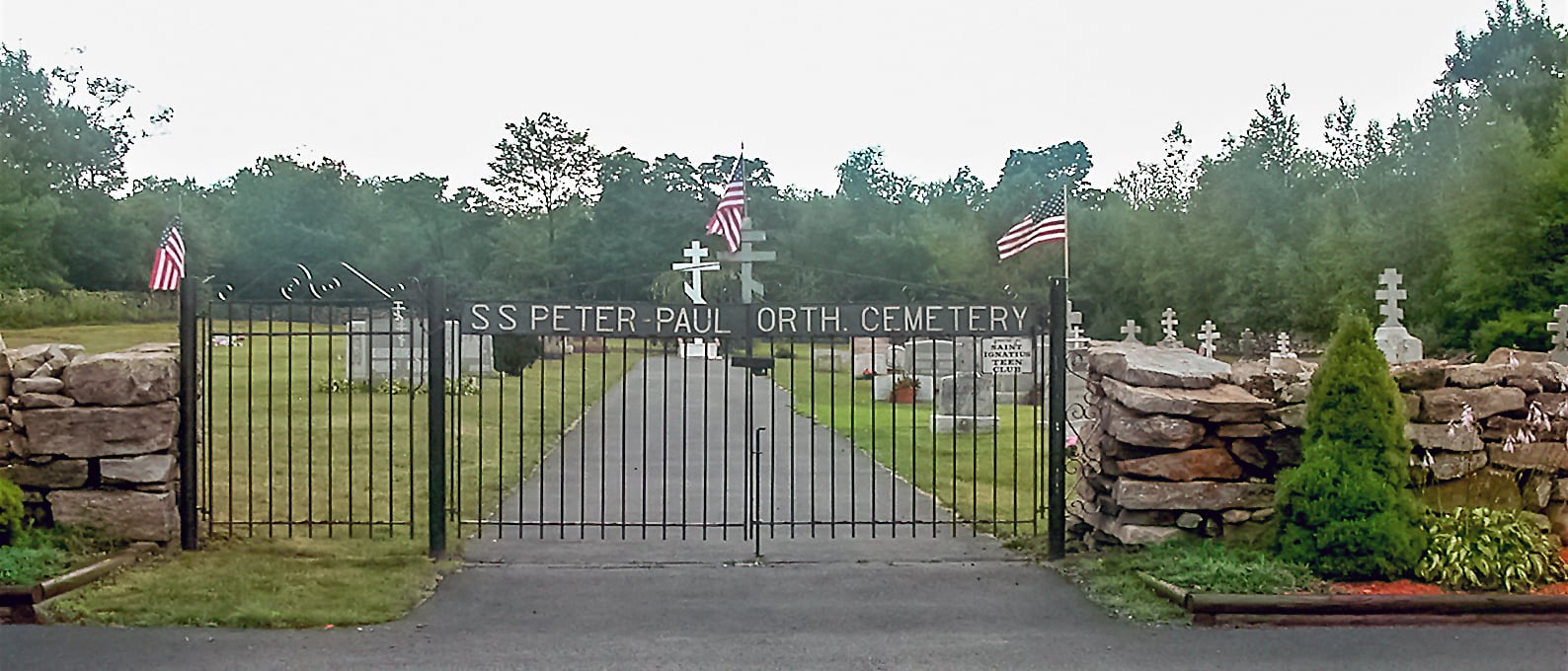
Centralia is a near-ghost town in Columbia County, Pennsylvania, atop an underground coal-mine fire that has been burning since May 1962. The borough's population fell from 1,000 in 1980 to five residents in 2020. The Commonwealth of Pennsylvania condemned the borough in 1992 and acquired most properties by eminent domain. The fire is estimated to be capable of burning for another 250 years.
Estes Park, CO
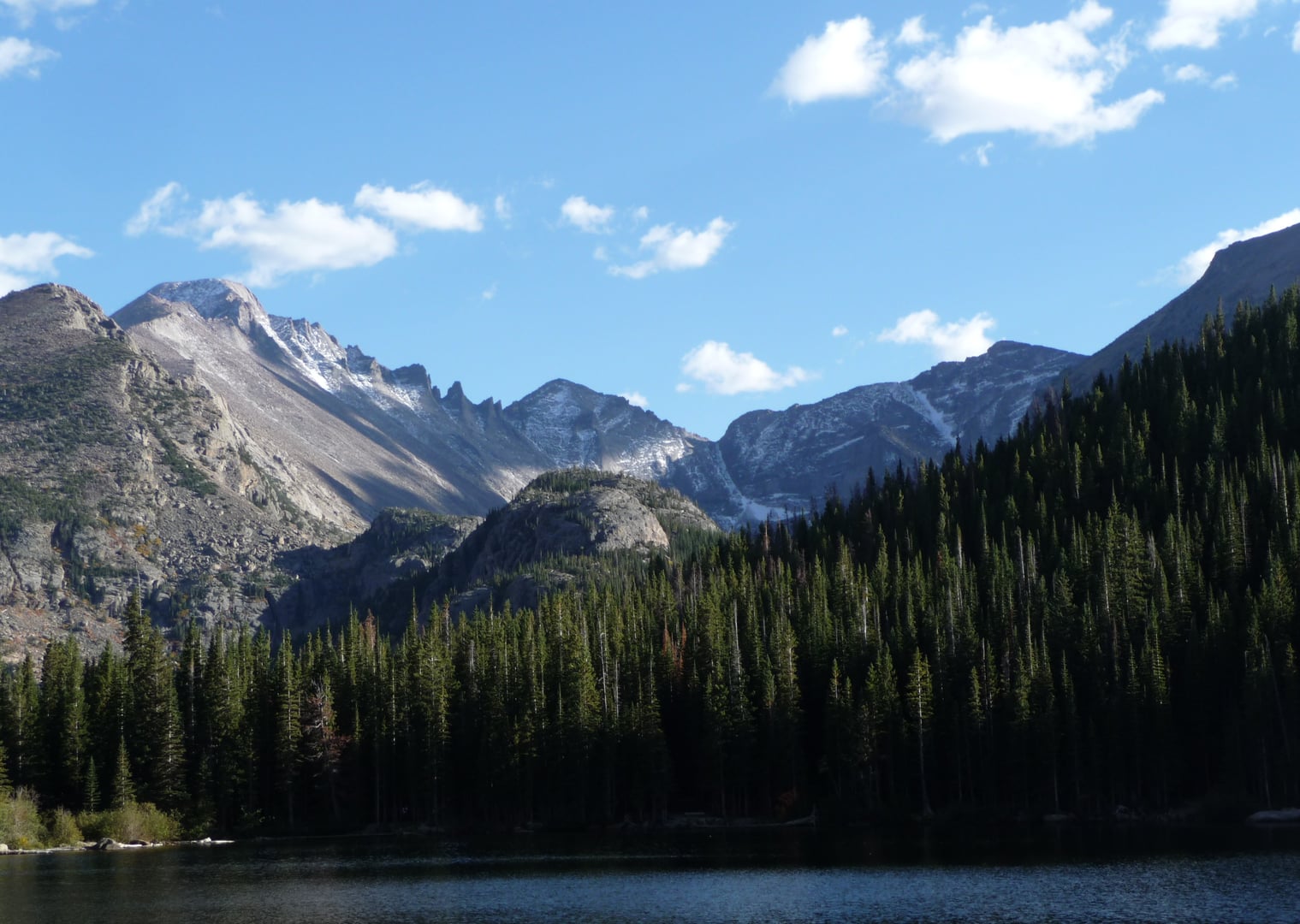
Rocky Mountain National Park, established by President Woodrow Wilson on January 26, 1915, preserves 415 square miles of Front Range Colorado including Trail Ridge Road, Longs Peak, and the headwaters of the Colorado River. The park's Ute and Arapaho heritage is documented in oral tradition and in early settler accounts including the Legend of Grand Lake.