Est. 1840 · Site of the vanished nineteenth-century tannery-and-lumber village of Pandemonium in Henry's Valley · Pioneer Cemetery preserves graves of early settlers including the Henry family (1855-1902 marked dates) · Land absorbed into Tuscarora State Forest after state purchases began in 1906 · An accessible, well-documented Pennsylvania ghost town on public land
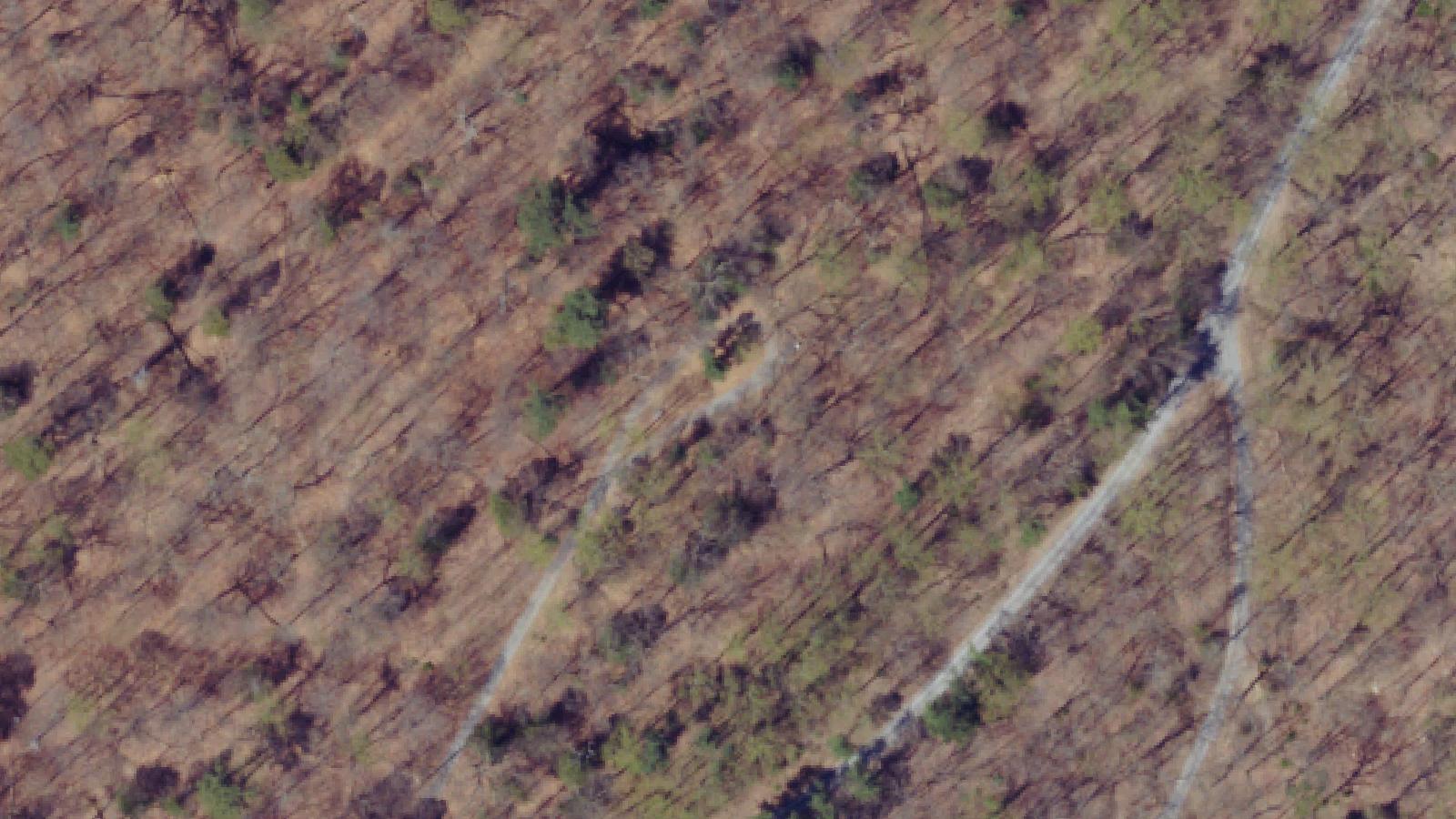
The lost village of Pandemonium lay in Henry's Valley, a remote pocket of what is now Tuscarora State Forest in Perry County, Pennsylvania. German pioneer families, some from Bucks County, settled the valley in the late eighteenth and early nineteenth centuries. When Perry County was organized in 1820, this out-of-the-way settlement was given the old classical name 'Pandemonium' -- literally the abode of all demons.
The community's growth was driven by industry. Around 1840-1843, I. J. McFarland built a large steam tannery on the north bank of Laurel Run, and the village expanded to roughly 100 homes. At its height Pandemonium supported a school, two sawmills, a stave mill, a store, a church, and farmland cleared for grazing. The tannery prospered during the Civil War era, and the local lumber and tanning industries were strongest from about 1870 to 1900.
The boom did not last. As the surrounding hardwood forests -- the source of both timber and the tanbark the tannery depended on -- were exhausted, and as the rocky, hilly ground frustrated farming, families gradually moved on. The tannery closed in the early 1880s. In 1906 the Commonwealth of Pennsylvania began buying the valley's land for as little as two dollars an acre, absorbing it into the state forest. By 1922 the valley reportedly had a single resident, the forest ranger; today it has none.
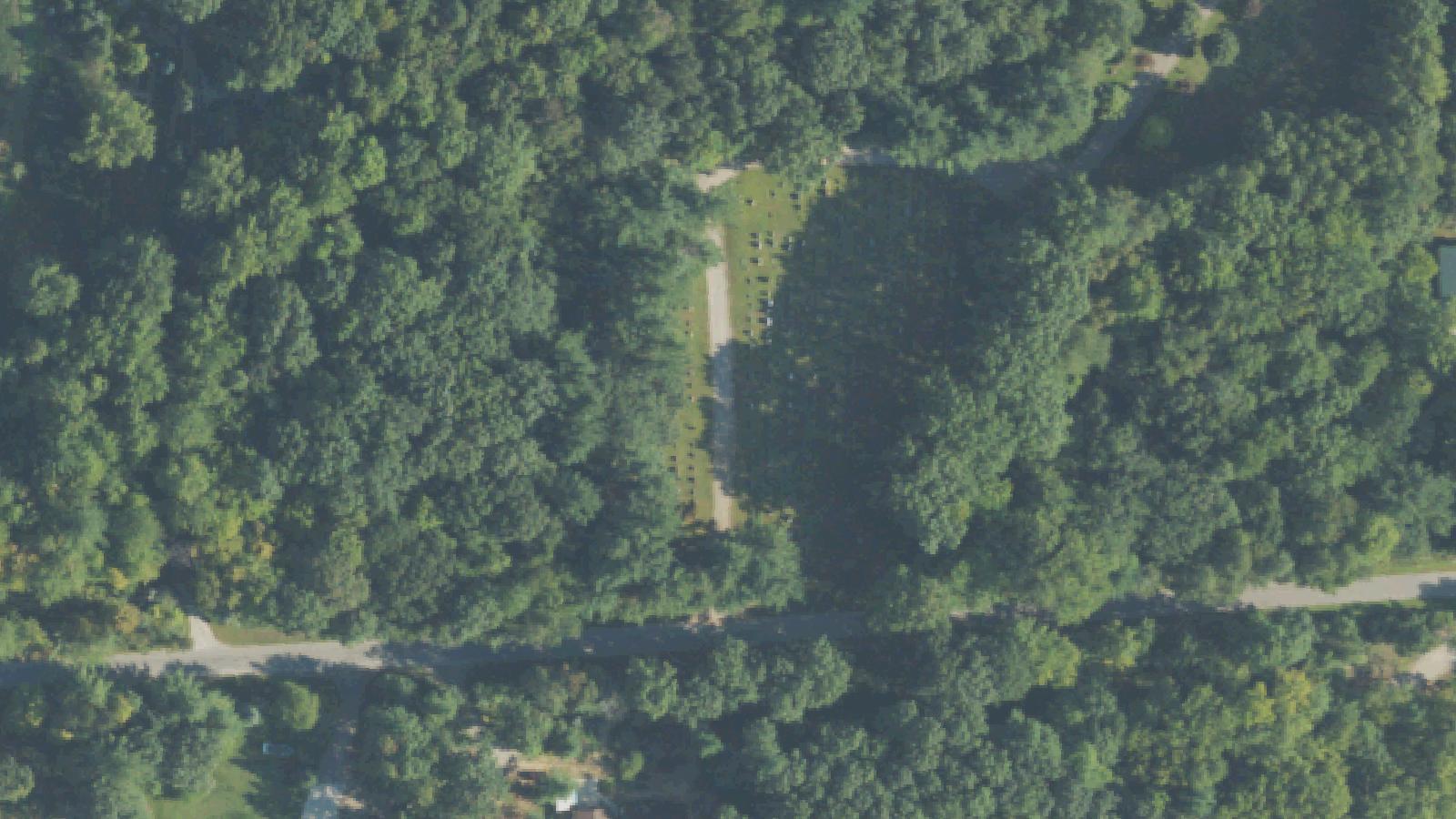
What survives is Pioneer Cemetery, a fenced burying ground with several dozen marked graves and many more unmarked. The earliest marked grave is that of Solomon W. Henry, who died in 1855, and the latest that of Daniel D. Henry, who died in 1902 -- a reflection of the Henry family for whom the valley is named. The cemetery is quietly maintained, with flowers still left on the graves, and the stone foundations of the old tannery can still be found nearby.
Sources
- https://cumberlink.com/news/demons-and-settlers-long-gone-from-perry-county-ghost-town/article_daa8f39e-1329-5982-bb09-6b08d8611637.html
- https://hemlockstateexplorer.com/pioneer-cemetery/
- http://paoddities.blogspot.com/2020/04/springtime-in-pandemonium.html
Feelings of being watched and unease near the gravesGeneral eeriness attributed to the abandoned villageRecurring local reports prompting visits
Much of Pandemonium's reputation rests on its name. Local accounts say the early settlement was dubbed Pandemonium -- the 'abode of all demons' -- and that classical nickname has fed generations of ghost stories about Henry's Valley. The combination of an abandoned village, a remote cemetery with many unmarked and forgotten graves, and a name evoking demons has drawn paranormal investigators and curiosity-seekers up Laurel Run Road for years.
Reported experiences, as collected by regional bloggers and Pennsylvania ghost-lore sources such as Pennsylvania Oddities and Hemlock State Explorer, are the diffuse kind common to ghost-town sites: feelings of being watched, unease around the old graves, and the simple disquiet of standing where a community of a hundred homes vanished within a generation. An anonymous Shadowlands submission notes that a state trooper has said she is regularly sent up to investigate reports of 'goings on' but finds nothing there -- a detail that, true or not, underlines how the site's eerie reputation persists in local talk.
HauntBound presents Pandemonium primarily as a genuine, well-documented historic ghost town whose folklore grows naturally from its evocative name and abandonment, rather than from any single verified paranormal event.
Notable Entities
The vanished community of Pandemonium