Outdoor Exploration
Ghost-Town Cemetery Visit
Visit the secluded mid-1800s cemetery and the foundation remains of the abandoned village of Crum.
- Duration:
- 45 min
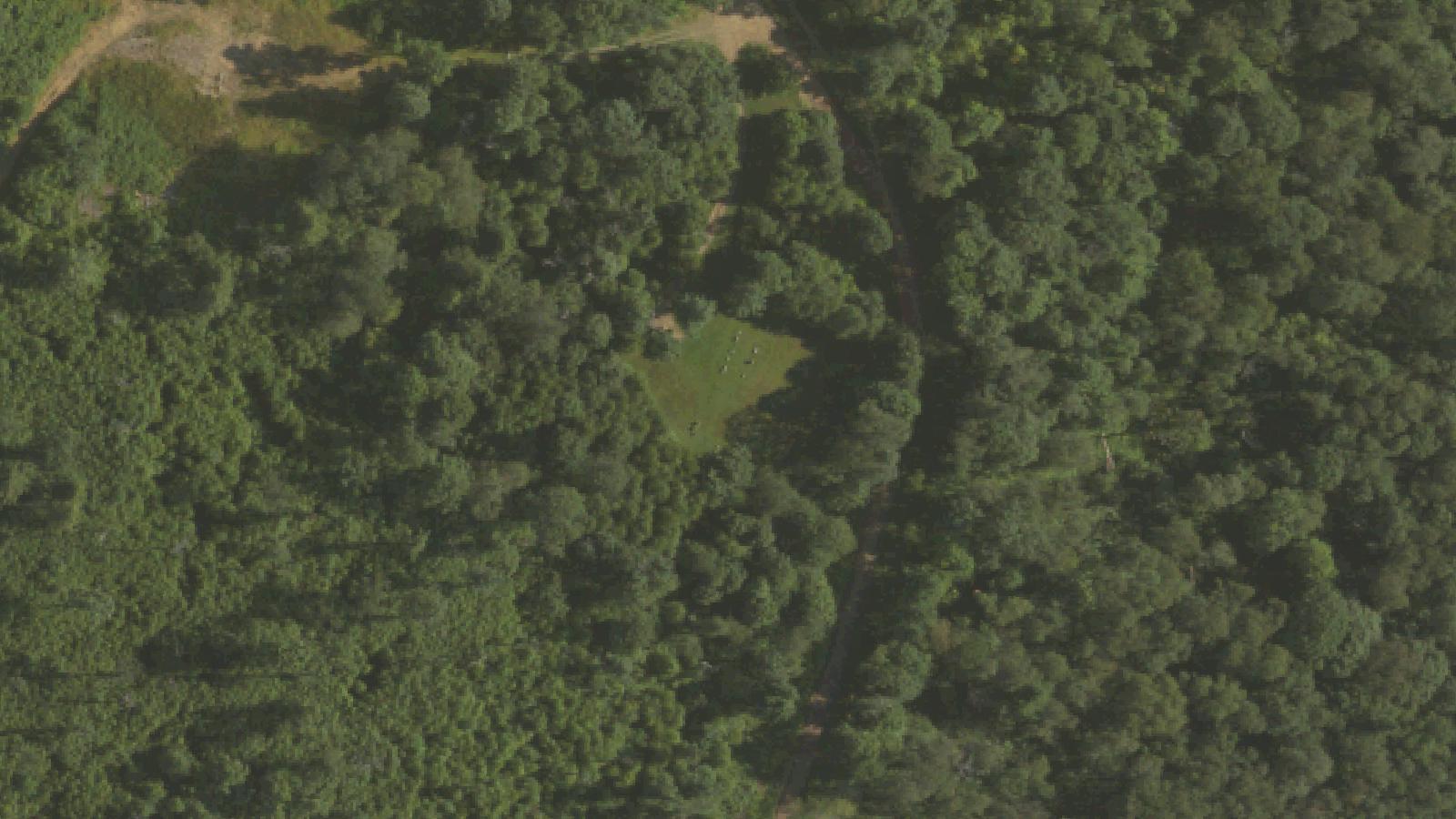 Aerial survey · USDA NAIP · public domain
A small mid-1800s burial ground and the crumbling remains of the vanished village of Crum in Shade Township, Somerset County, tied to the persistent (and unverified) legend of Rebecca Crum, an accused witch.
Crum Road, Central City, PA 15926
Research updated May 2026
Age
All Ages
Cost
Free
Free; remote rural cemetery reached by a dirt path off Crum Road. No facilities.
Access
Limited Access
Remote, wooded; reached via Easy Camp Road to Crum Road and a dirt path. Rugged footing.
Equipment
Photos OK
Est. 1850 · Burial ground of the vanished pre-Civil War village of Crum · A locally famous 'ghost town' cemetery in the Laurel Highlands · Anchor of the Rebecca Crum witch legend documented in regional media
Crum Cemetery (also recorded as Crum-Oldham Cemetery) sits in a remote, wooded part of Shade Township, Somerset County, in the Laurel Highlands of southwestern Pennsylvania, reached by a dirt path off Crum Road north of Central City and near Windber. It is the last visible trace of the village of Crum, a small community that predated the Civil War and has since disappeared entirely except for the graveyard and a few crumbling foundations.
The roughly 60-grave cemetery has tombstone inscriptions dating from the mid-to-late nineteenth century. As the village was abandoned and the surrounding land reverted to forest, the isolated cemetery became a locally famous 'ghost town' site, drawing genealogists, history enthusiasts, paranormal investigators, and — less welcomely — partygoers and vandals attracted by its seclusion and rundown appearance.
The Shadowlands index conflated this site with a location near Murrysville and added embellishments (an abandoned 'Dead Zone' mansion, headless figures, cult activity) that are not supported by any credible source. The verifiable, well-documented site is the Somerset County cemetery near Windber, whose folklore centers on Rebecca Crum.
Sources
Crum Cemetery's enduring legend is that of Rebecca Crum. In the most-repeated tellings, Rebecca grew and sold herbal remedies — or learned curative and spiritual arts from Native neighbors — and was branded a witch by townspeople who blamed her for hexes and misfortune. Some versions say she and her family were burned in their home; others claim she was buried alive in an unmarked grave just outside the cemetery's bounds. Visitors to the secluded graveyard report uneasy sensations, the feeling of being watched, and occasional sightings of figures among the stones.
Researchers have cast strong doubt on the story. As reported in coverage of the site, the Daily American newspaper found no historical record of any Rebecca Crum in the community, suggesting the witch tale is folklore rather than documented history. The cemetery's remote setting and decayed appearance have made it a perennial destination for legend-trippers, which in turn fuels fresh 'experiences.'
HauntBound presents the Rebecca Crum legend as the area's documented oral tradition while noting it is unverified, and treats the Shadowlands-only additions (cult activity, headless figures, an abandoned mansion) as uncorroborated.
Notable Entities
Visit the secluded mid-1800s cemetery and the foundation remains of the abandoned village of Crum.
Some links on this page may earn HauntBound a small commission when you book, at no extra cost to you. Our editorial picks are independent. Full disclosure
Every HauntBound history is researched from documented sources. We clearly separate verified historical fact from paranormal folklore.
Free Guide
11 verified stops, rated for families, mapped in order. Free.
One email to confirm, then the guide link. Unsubscribe anytime.
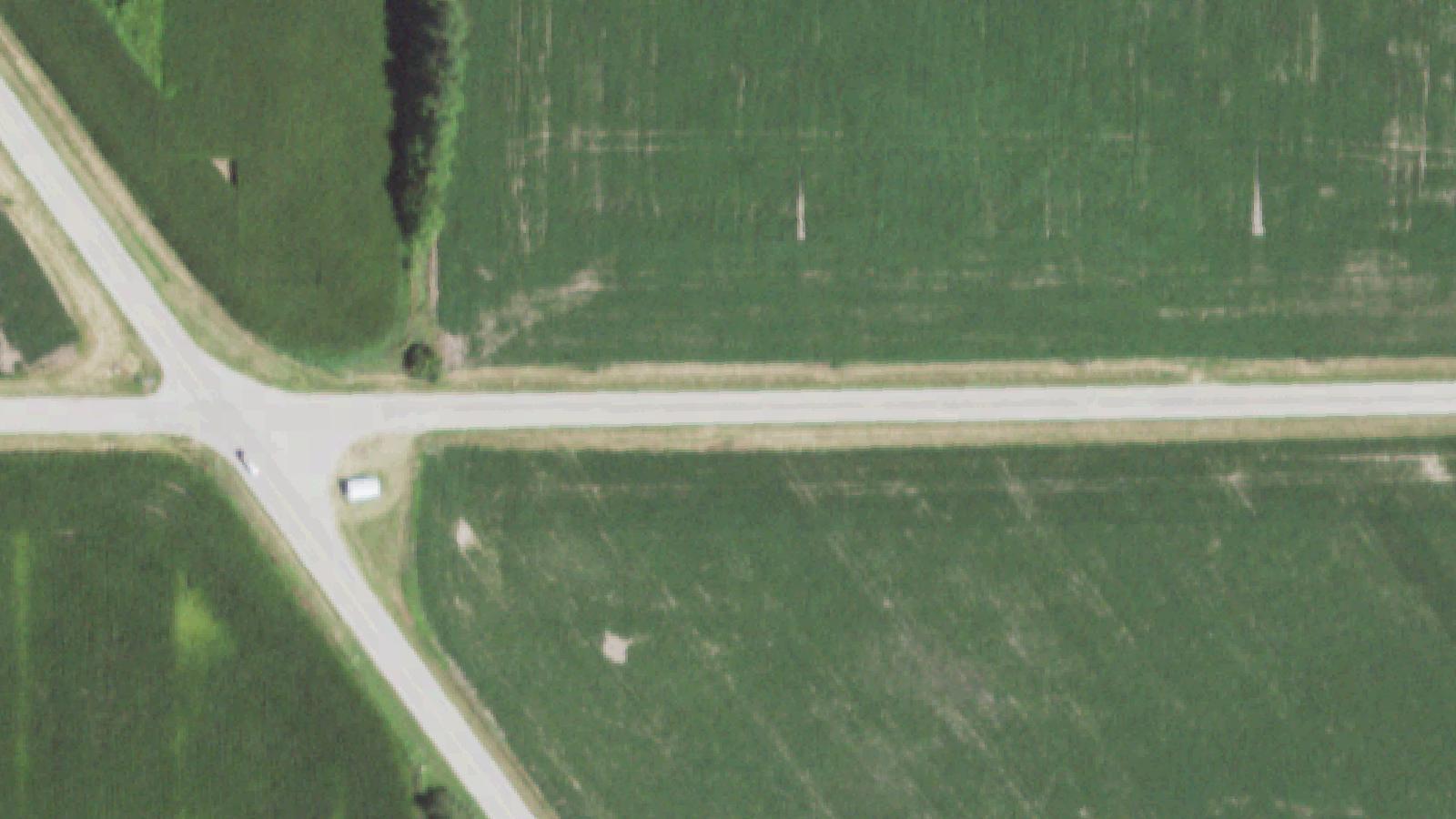 Aerial survey · USDA NAIP
Belvidere, IL
Bloods Point Cemetery was established in 1836 in Flora Township, Boone County, taking its name from Arthur Blood, an 1830s settler and the first European-American resident of the region. The cemetery serves as a burial ground for over two centuries of local residents.
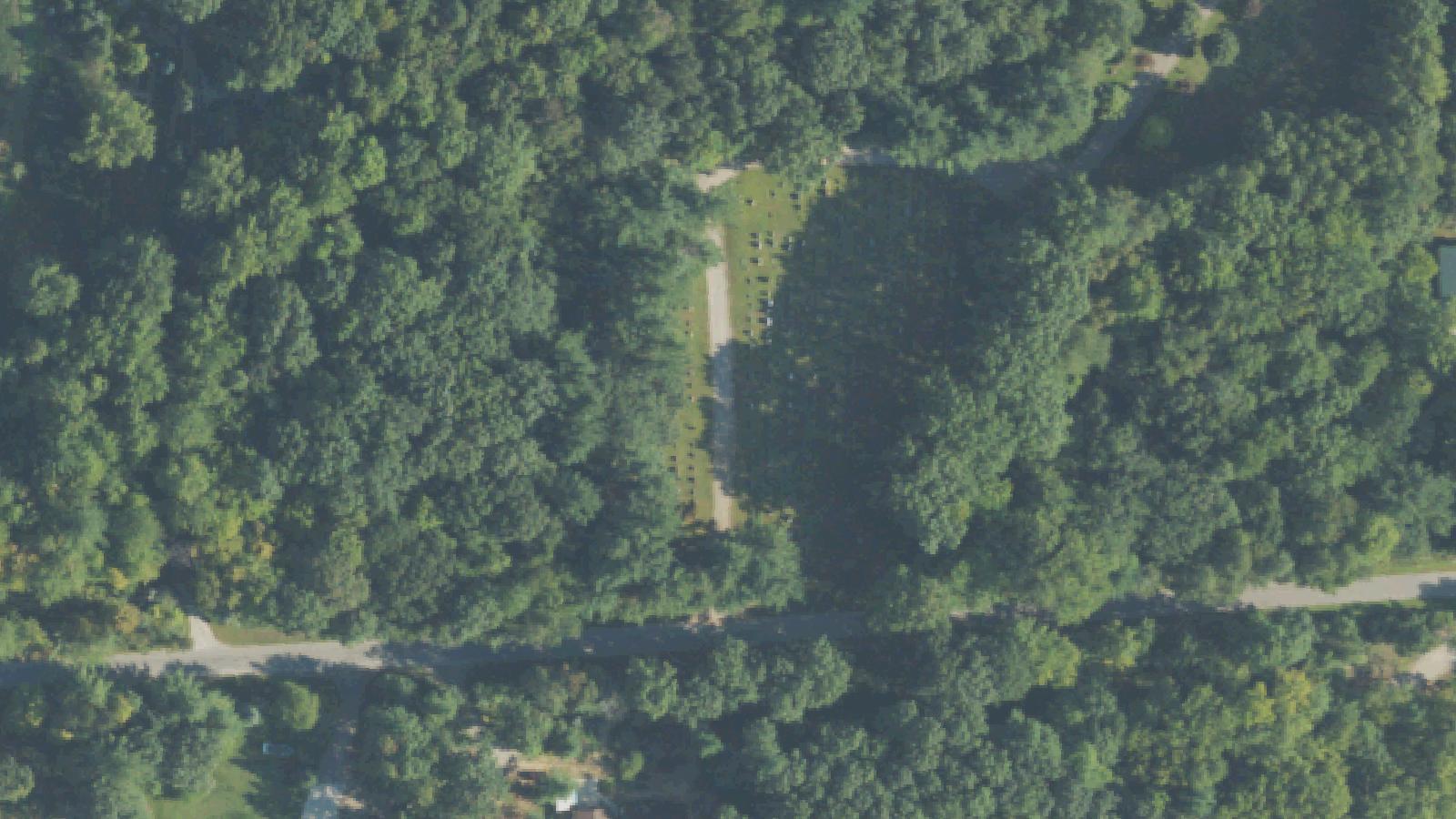 Aerial survey · USDA NAIP
Hemlock, MI
Richland Lutheran Cemetery is located in Richfield Township, Saginaw County, on Dice Road approximately a quarter mile east of Hemlock Road. The cemetery records 953 burials and dates to the 19th century. The broader Dice Road corridor gained regional notoriety in the 1970s through documented paranormal investigation of a nearby farmhouse.
Los Angeles, CA
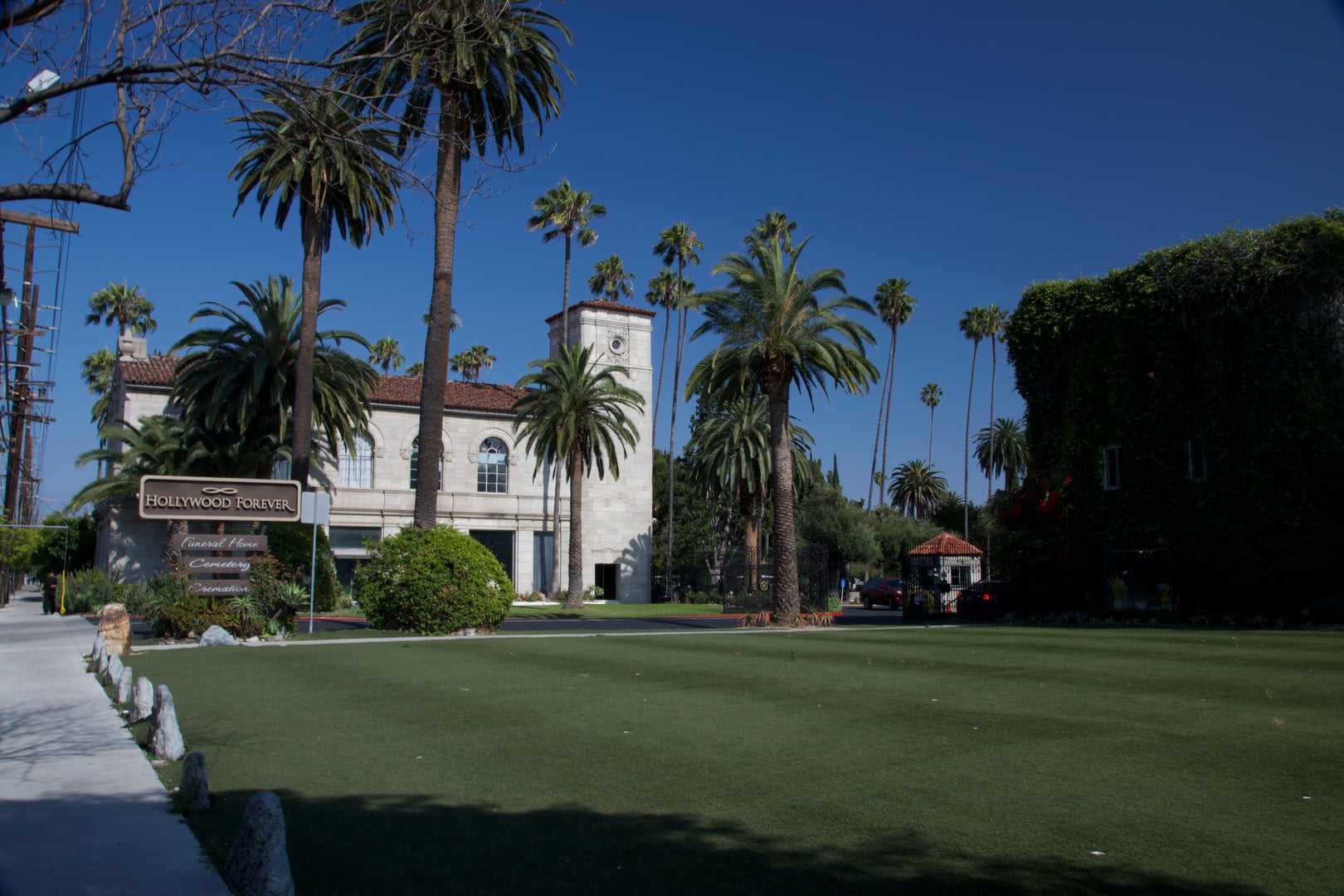
Hollywood Forever Cemetery is a 62-acre cemetery at 6000 Santa Monica Boulevard in Hollywood, California, founded in 1899 as Hollywood Cemetery on a 100-acre tract of former farmland. Paramount Pictures' studios occupy 40 acres of the original cemetery property. The cemetery was renamed Hollywood Memorial Park in 1939 and Hollywood Forever in 1998 after a 1990s bankruptcy and revival. The property is listed on the National Register of Historic Places.