Est. 1848 · One of 19th-century Pennsylvania's prominent mineral-springs resort hotels, with documented presidential visitors · Site of Ephrata's first hospital (Stephan Memorial / Ephrata Community Hospital, 1937-1949) · Home of the nationally known Spiritualist Camp Silver Belle and medium Ethel Post-Parrish
Joseph Konigmacher, a Pennsylvania state senator, established his homestead in 1848 on the edge of the Ephrata ridge above the town, at what is now 320 East Main Street. The site was prized for a natural mineral spring, and by 1860 Konigmacher had expanded his home into a sprawling 400-room hotel and resort centered on the spring's reputedly healthful waters and the sweeping views from the ridge. The resort became a fashionable summer getaway for residents of Philadelphia, New York, and Baltimore, and its guest book reportedly included Presidents Abraham Lincoln, Ulysses S. Grant, and James Buchanan, as well as congressman Thaddeus Stevens.
After Konigmacher's death in 1861 the hotel continued operating into the early twentieth century before closing. The abandoned building found new life from 1937 to 1949 as the Stephan Memorial Hospital, later chartered as the Ephrata Community Hospital and serving as the first hospital in the Ephrata area. When a new hospital opened elsewhere in the borough in 1949, the Mountain Springs property reverted to the use it is now most remembered for.
Beginning in the 1930s the medium Ethel Post-Parrish, with help from John and Mrs. Stephan, used the property as Camp Silver Belle, a nationally known Spiritualist resort named for a spirit guide she channeled. Spiritualists from across the United States and abroad traveled to Ephrata for the camp's seances and physical-mediumship demonstrations, and the camp operated, in various forms, for much of the twentieth century. Post-Parrish lived on the property until her death in 1960.
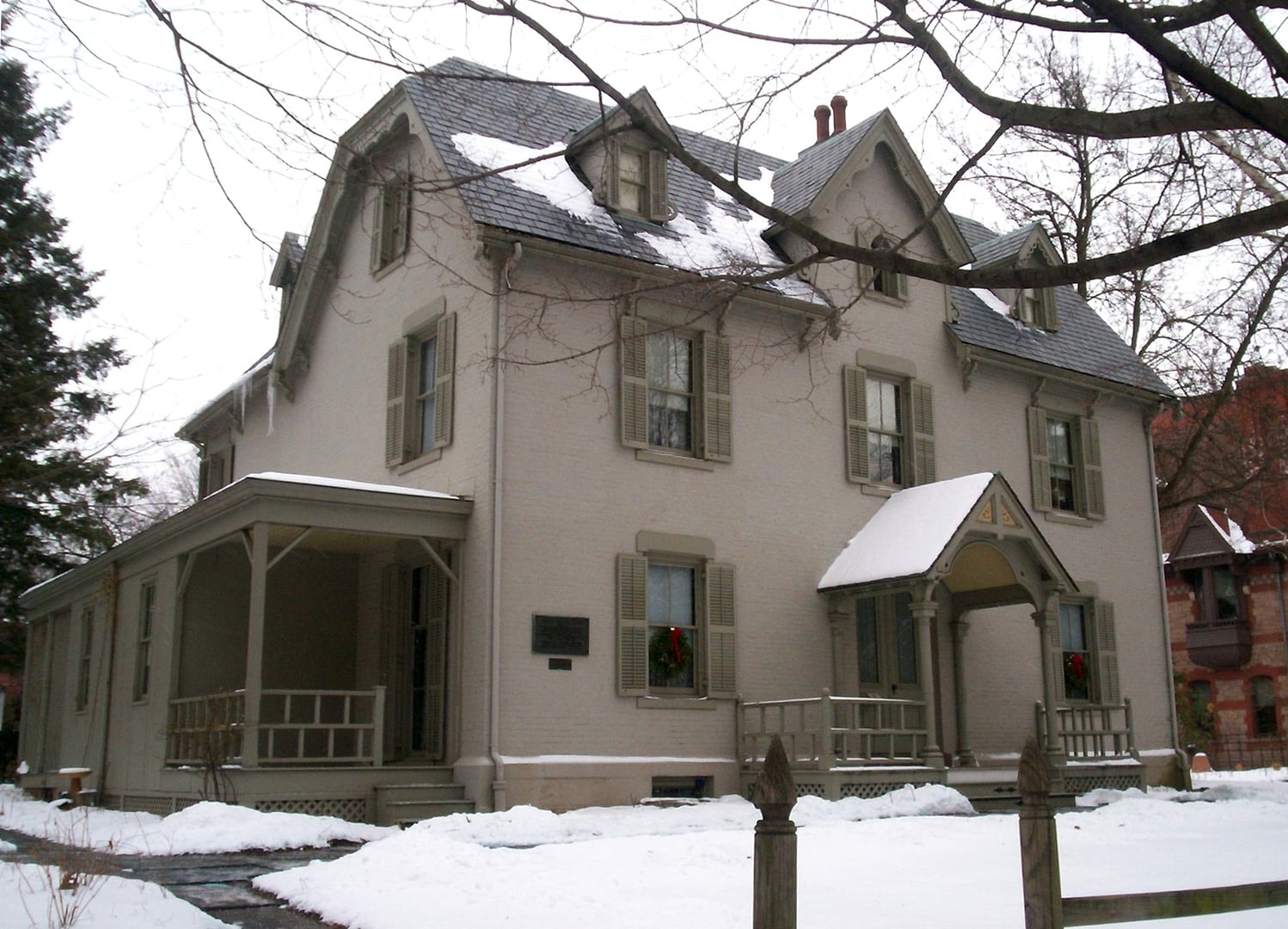
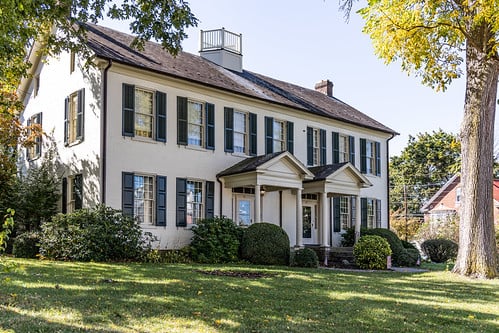
After decades of decline the majority of the Mountain Springs Hotel complex was demolished in 2004 to make way for a Hampton Inn and an Applebee's restaurant. A portion of the original Konigmacher mansion was spared; following a major renovation in 2011 it was converted into office suites and still stands today on East Main Street alongside the newer commercial development.
Sources
- https://en.wikipedia.org/wiki/Mountain_Springs_Hotel
- https://mainspringofephrata.org/post/the-surprising-history-of-the-ephrata-mountain-springs-complex/
- https://lancasteronline.com/features/entertainment/a-true-native-son-reconstructs-mountain-springs-hotel-history/article_091e6b50-11c8-5fb0-9918-f1da714d584e.html
Cold breezesMoving shadowsUnexplained sounds
After the hospital relocated in 1949 and the building fell into disrepair, the Mountain Springs Hotel acquired a reputation as 'the haunted house' among local children and residents. This haunted-house tradition is documented independently in multiple sources. Wikipedia's article on the hotel notes that after the hospital's departure the property fell into disrepair, 'sprouting local legends and becoming known as the haunted house on the hill.' The Mainspring of Ephrata historical blog, which tracks the history of the site in detail, similarly documents the 'haunted house' reputation that took hold after abandonment. A dedicated feature on Scary HQ ('The Haunted Mountain Springs Hotel in Ephrata, Pennsylvania') reports that the hotel 'has been rumoured' to be haunted and that visitors described cold breezes, shadows, and unexplained sounds — consistent with the Shadowlands submission but drawn from independent coverage of the site.
The property's earlier life as the Spiritualist Camp Silver Belle, where Ethel Post-Parrish staged widely publicized seances and spirit-materialization demonstrations, gave the legend a ready-made supernatural backstory and national attention in Spiritualist circles. The specific interior phenomena described — cold breezes, shadow movement, and unexplained sounds — are corroborated by multiple independently published accounts, even though the bulk of the original hotel was demolished in 2004. The surviving Konigmacher mansion is now occupied office space. The paranormal tradition is presented here as folklore, but it is well-established local lore with multiple independent lines of documentation.
Notable Entities
Unidentified shadow figures (local legend)
Where this legend is told