Est. 1746 · French and Indian War · Moravian Mission History · Colonial-Era Massacre · Carbon County Founding
The Moravian mission settlement of Gnadenhütten was established in 1746 on the south bank of the Mahoning Creek, near present-day Lehighton. The settlement was home to missionaries and a small number of converted Native Americans, and served as an outpost of the Bethlehem Moravian community.
On the evening of November 24, 1755, a group of approximately a dozen warriors — accounts identify them variously as Shawnee or Lenape from Nescopeck Creek, allied with French forces during the French and Indian War — surrounded the mission house where 16 residents were gathered for supper. When the door opened, the attack began immediately: Martin Nitschman was killed in the first volley. The attackers set the house ablaze. Eleven of the 16 residents died, either from gunfire or in the fire. Four residents and one man who had already left the building managed to escape. Susanna Nitschman, Martin's wife, was taken captive and held in Tioga County for six months before her death. The Moravian converts in the settlement were not harmed.
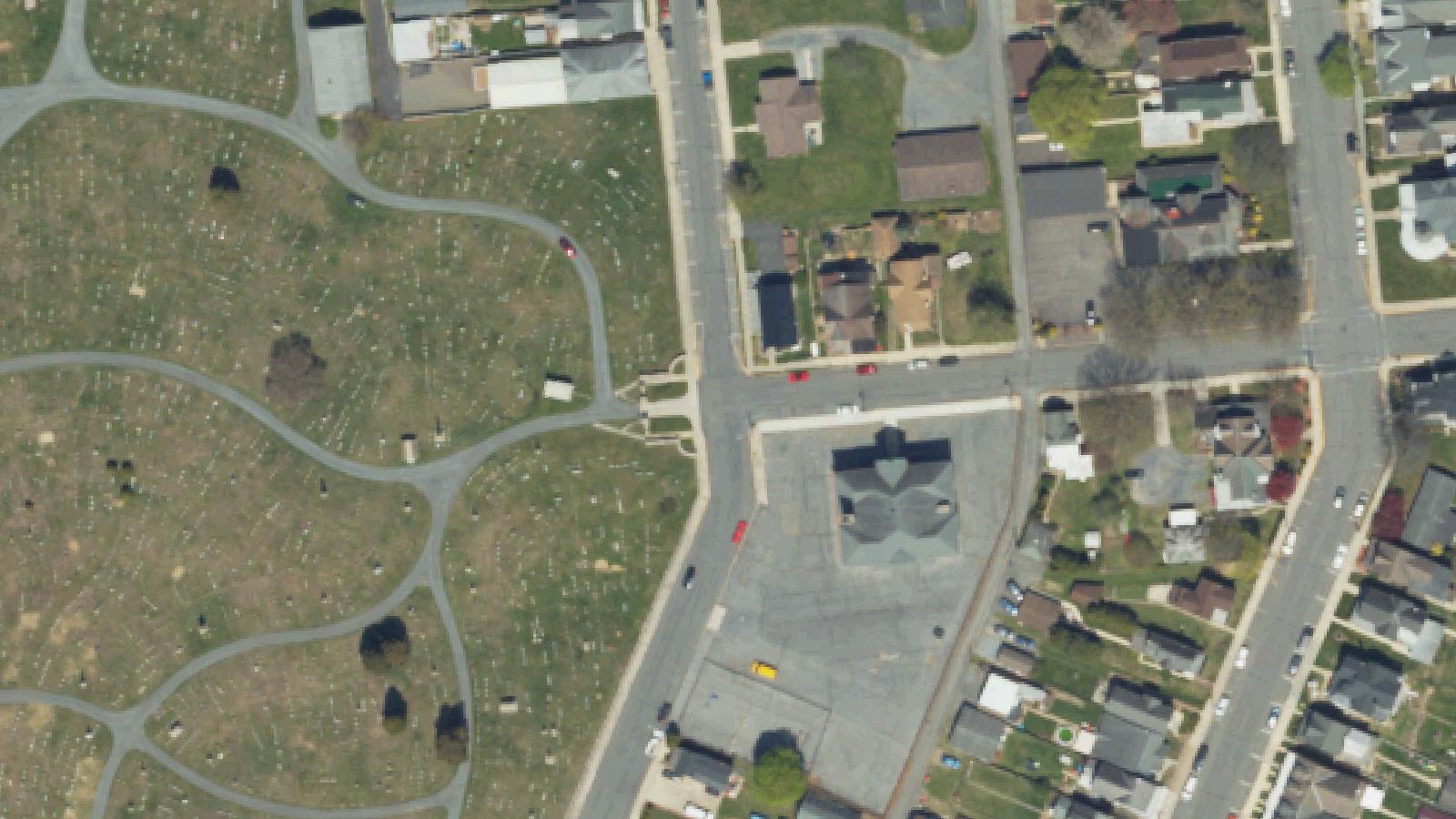
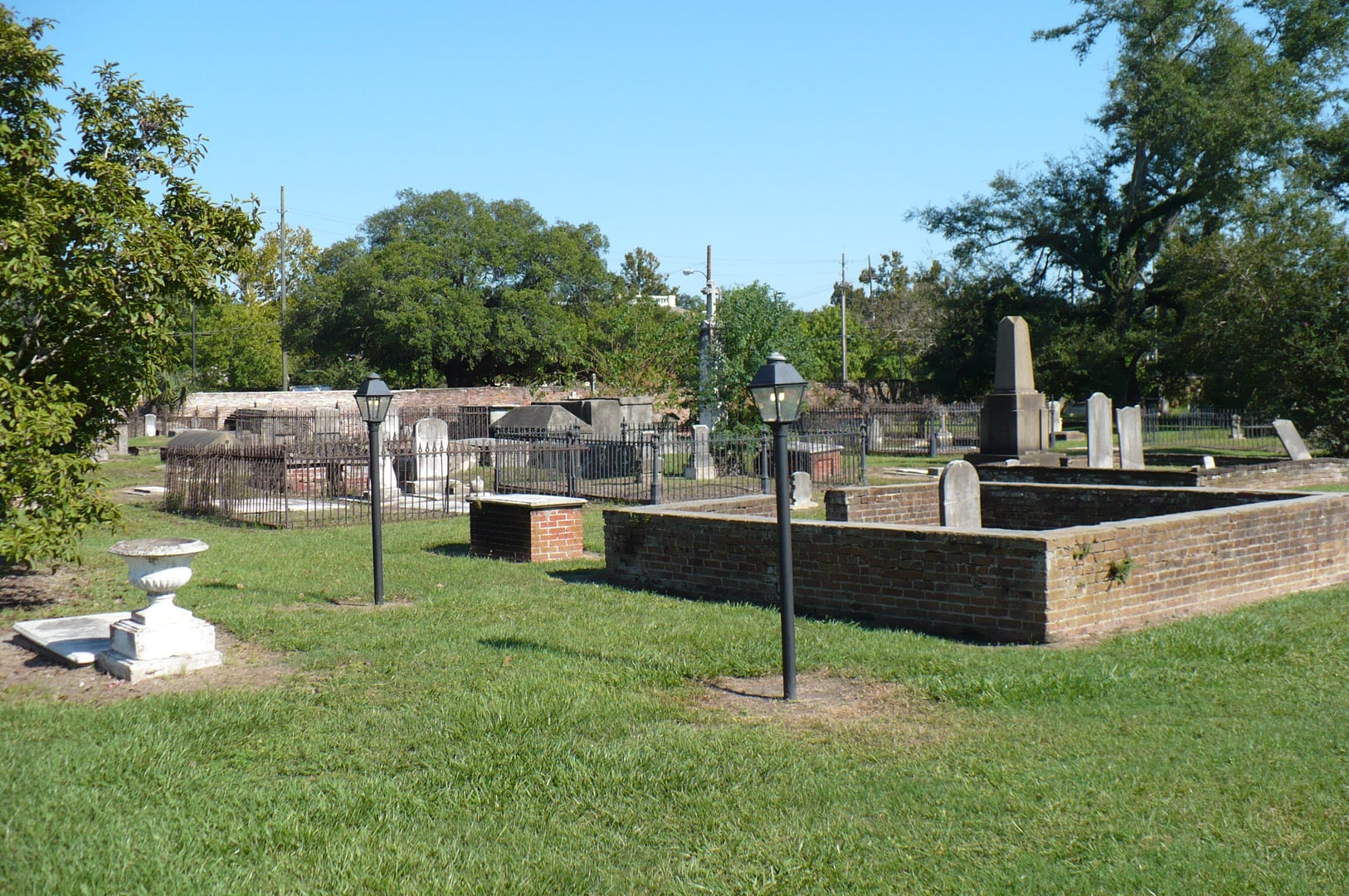
The victims were buried in what became the Gnaden Huetten Cemetery. A memorial stone listing the missionaries' names by name was placed at the site on December 10, 1788 — 33 years after the massacre. An 1906 monument, a white obelisk on a red sandstone base, was erected to mark the site. The Lehighton Cemetery immediately to the north contains later burials and is administered separately, though both sites are part of the local heritage landscape.
Lehighton dates its founding to this settlement, and the site is recognized with a Pennsylvania historical marker. The Lehighton Heritage Association maintains the Haunted History Walk as an annual event incorporating the massacre history and after-dark cemetery access.
Sources
- https://en.wikipedia.org/wiki/Gnadenh%C3%BCtten_massacre_(Pennsylvania)
- https://www.hmdb.org/m.asp?m=252108
- https://www.lehightonheritage.org/events/haunted-history-walk
- https://pamarkers.blogspot.com/2018/06/gnadenhutten-lehighton.html
Apparitions
The 1755 massacre generated enough historical weight that Lehighton's haunted folklore is anchored to it more than two and a half centuries later. Local accounts describe the figures of the 11 massacre victims appearing near the memorial tomb — not seasonal or weather-dependent, but reported at various times of day and night.
The 1788 memorial stone and the 1906 obelisk mark the concentrated burial area. The obelisk bears a blue-gray marble slab and lists the names of those who died. Multiple accounts from the Haunted History Walk note that the area immediately around the monument has a distinct atmospheric quality during night visits — though specific phenomena beyond apparition sightings are not consistently documented in sources.
The Lehighton Heritage Association incorporates the cemetery specifically because it offers access to a massacre site where the victims' names are known and their remains are confirmed to be present. That specificity — named individuals, documented deaths, a verified burial location — gives the site a quality that most haunted cemeteries lack.