Est. 1801 · Salem Witch Trials Site · Historic Burial Ground
The land that became Howard Street Cemetery was, in September 1692, an open field used by Sheriff George Corwin for the most singular execution of the Salem witch trials. Giles Corey, an eighty-one-year-old Salem Village farmer who had been accused of witchcraft, refused to enter a plea at his arraignment. Under English common law of the period, the refusal triggered peine forte et dure, a form of torture in which heavy stones were pressed onto the subject's chest until either a plea was entered or death occurred. Corey held out for two days. He died on September 19, 1692, the only person in colonial American history known to have been executed in this manner. His refusal to plead protected his property from forfeiture, which preserved his estate for his sons-in-law.
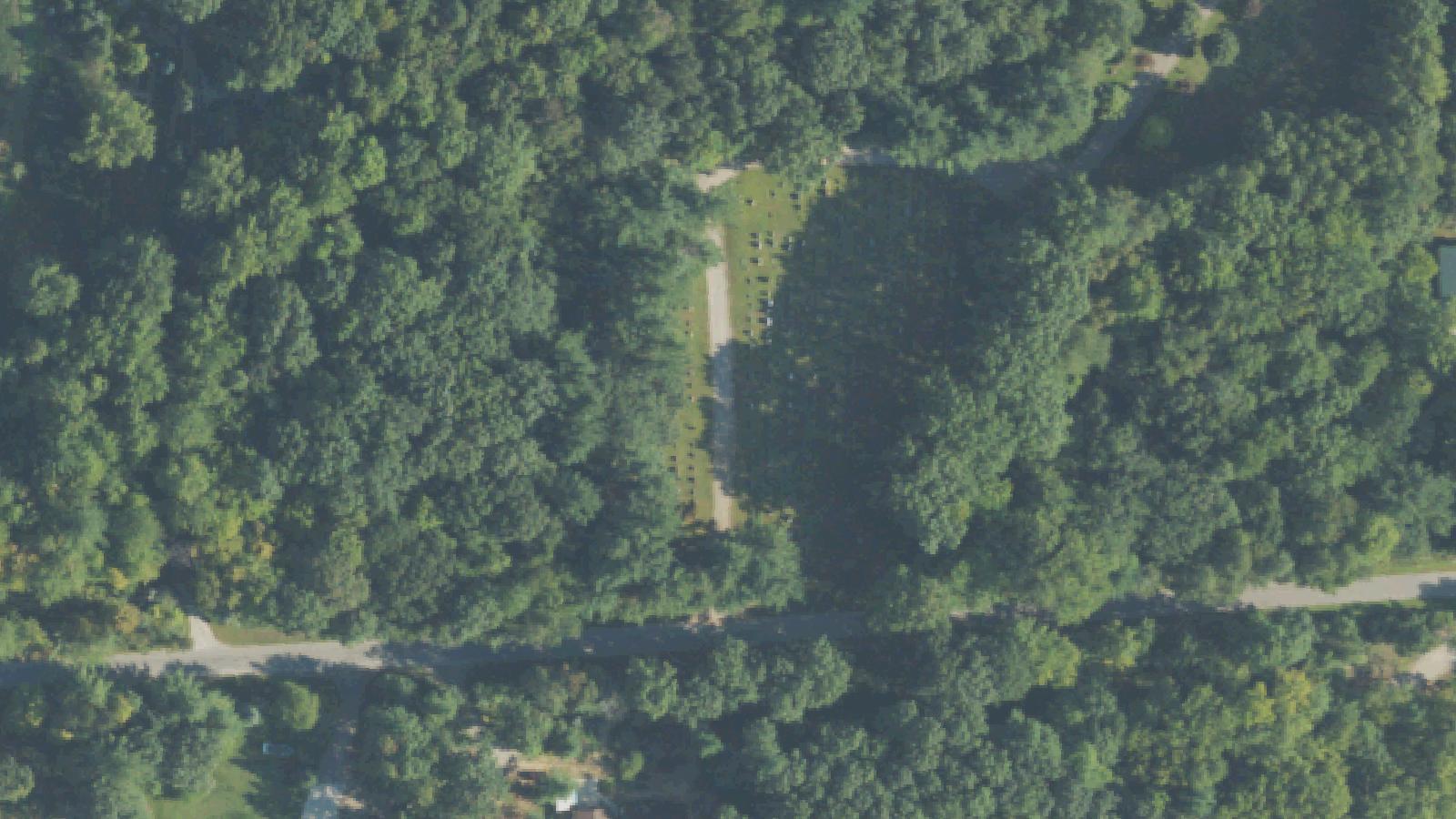
The field remained open ground for more than a century. In 1801, it was formally established as the Branch Street Cemetery, named for the street that bordered it. In 1828, the street was renamed for sailmaker John Howard, and the burial ground took the name Howard Street Cemetery. The cemetery received Salem residents through the nineteenth century and contains approximately 1,100 surviving headstones across roughly 2.5 acres. Corey's remains are believed to lie somewhere on the grounds in an unmarked grave; local tradition has identified specific locations over the years, but no marker confirms the spot.
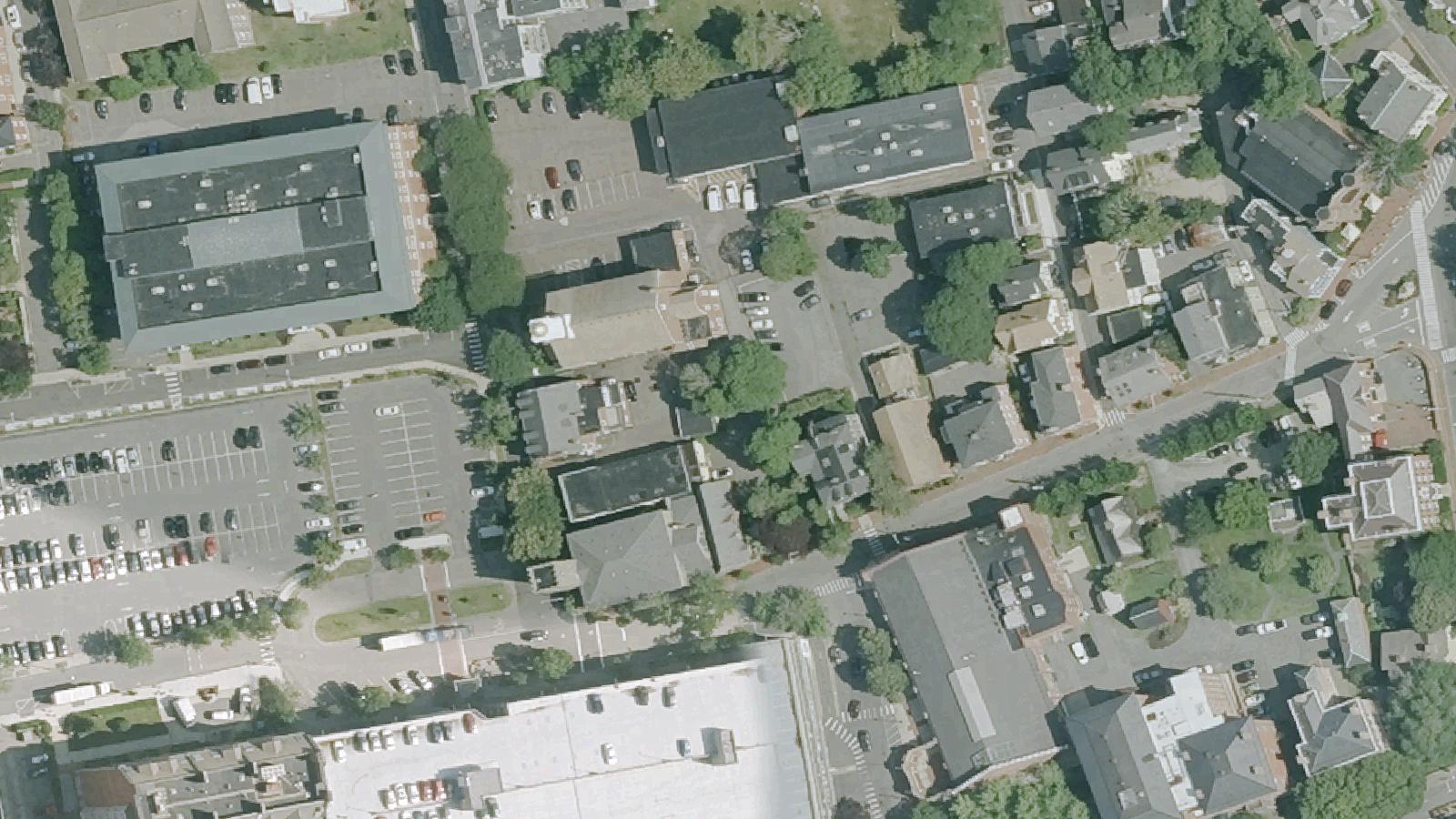
The cemetery is located adjacent to the site of Salem's old jail, where many of the accused were held during the 1692 trials. The combination of the pressing-ground history and the jail site has made the block a fixture on Salem's heritage and ghost tour circuits.
Sources
- https://historyofmassachusetts.org/howard-street-cemetery-salem/
- https://theclio.com/entry/20092
- https://www.salem.org/blog/historic-burying-grounds/
ApparitionsCold spotsShadow figures
The dominant ghost story attached to Howard Street Cemetery is the curse of Giles Corey. Salem folklore holds that as the stones pressed the final breath from him on September 19, 1692, Corey cursed the sheriff and the town. Subsequent Salem sheriffs have been variously reported to suffer heart and chest ailments, a pattern local tradition reads as the curse working through the office.
The second strand of folklore says that Corey's shade appears in the cemetery before tragedies strike Salem. The Great Salem Fire of June 1914, which destroyed more than 250 acres and 1,300 buildings, is the disaster most often cited as having been preceded by a sighting. The pattern of reporting is largely retrospective, with witnesses recalling sightings after events have occurred.
Visitors to the cemetery have described cold spots, unexplained sensations of being watched, and the figure of an elderly man among the markers. Several Salem ghost-tour operators include Howard Street as a regular stop, and the site appears in paranormal television coverage of Salem. The historical record of Corey's death is unambiguous; the supernatural framing remains a matter of local tradition and tour-circuit storytelling.
Notable Entities
Giles Corey