Est. 1860 · 250-foot underground anthracite coal mine · Active operation 1860s-1966 · Part of the Northern Coal Field's documented industrial-fatality history · Guided by former working miners
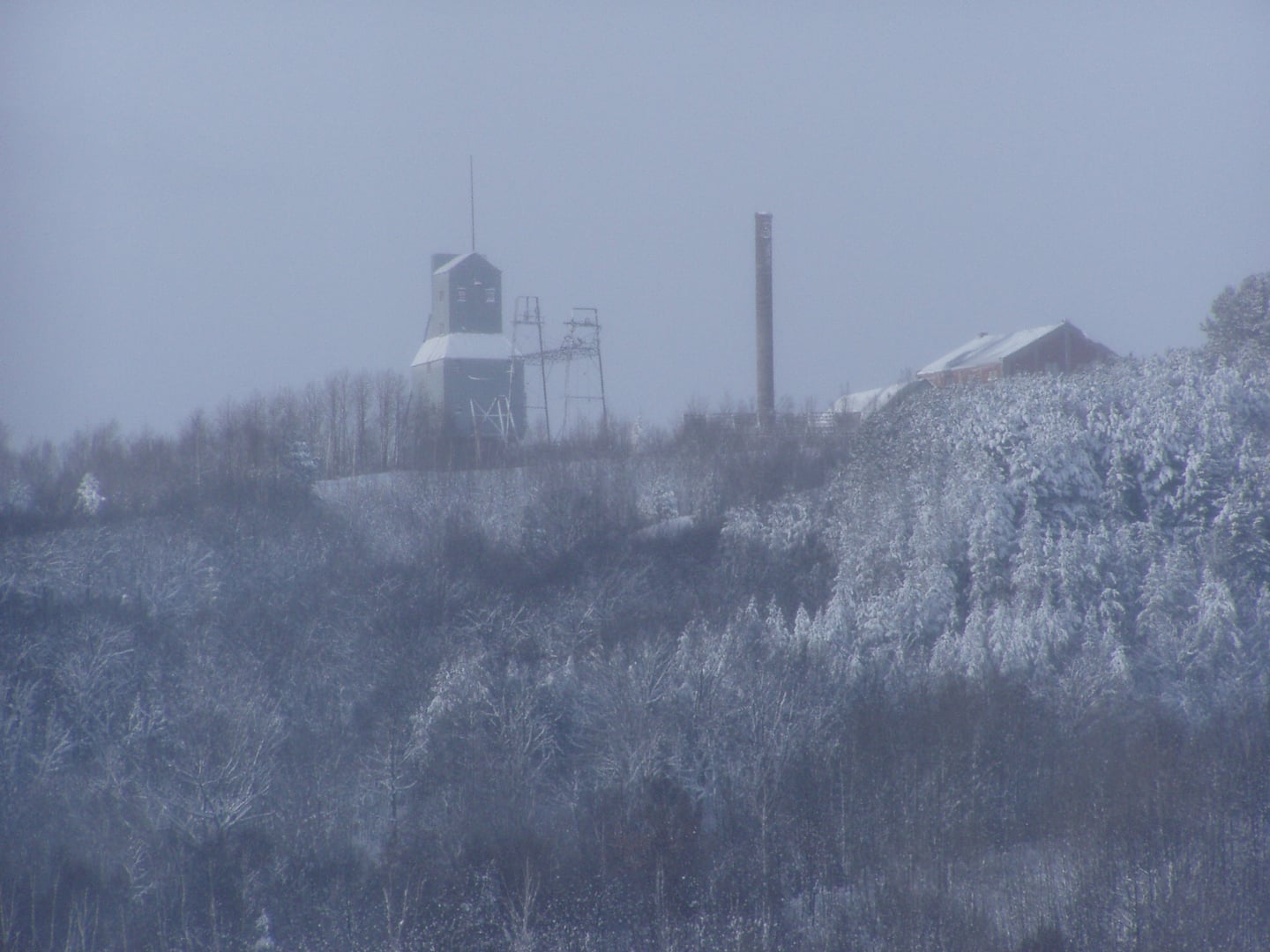
Anthracite coal mining began in the Lackawanna Valley of northeastern Pennsylvania in the early 19th century, and by the 1860s the region was one of the most productive hard-coal fields in the world. The mine that is now the Lackawanna Coal Mine Tour operated within this system from the 1860s until 1966, when the last commercial production stopped.
The Northern Coal Field, which includes Scranton and the surrounding communities of Lackawanna County, had a casualty record that contemporaries understood as a cost of industrial production. According to Pennsylvania mining records cited in regional histories, the field logged 67 fatalities in 1872 alone — a figure that represents one particularly severe year in a decades-long pattern. The causes ranged from roof falls and premature blasts to afterdamp (carbon monoxide from fires or blasts) and mine flooding.
The current tour operation occupies the mine's original shaft and tunnels. Visitors board a mine car at the surface and descend 250 feet to the working level, where former miners serve as guides. The tour emphasizes the mechanics of anthracite extraction — drill-and-blast mining, the role of mules and boys in hauling coal, the pay-by-weight system and its manipulation — as well as the demographic history of the immigrant workforce, which drew heavily from Ireland, Wales, Poland, Lithuania, and Italy.
The mine is part of McDade Park, a Lackawanna County facility, and has operated as a public attraction for several decades.
Sources
- https://en.wikipedia.org/wiki/Lackawanna_Coal_Mine
- https://www.visitnepa.org/things-to-do/attractions/lackawanna-coal-mine-tour/
- https://uncoveringpa.com/lackawanna-coal-mine-tour-scranton
- https://paoddities.blogspot.com/2016/02/haunted-coal-mines-of-pennsylvania.html
Six-foot white apparition reported in Bellevue Shaft (1872 newspaper accounts)Flaming phantom reported at Black Diamond Colliery (1912 account)Cold spots in underground tunnels
The paranormal history of Scranton's coal mines predates the current tourist operation by more than a century. A survey of Pennsylvania mining ghost accounts compiled from regional newspapers documents two notable 19th-century incidents.
In 1872, the same year the Northern Coal Field logged 67 fatalities, newspaper accounts reported that workers at the Bellevue Shaft described encountering a six-foot figure in white inside the mine. The figure was not associated with a specific individual and appeared to multiple workers in separate incidents. The accounts were reported in local papers without apparent editorial skepticism — in the context of the era's industrial death rates, the reports were treated as reasonable responses to dangerous workplaces.
A second account from 1912 involves a miner at the Black Diamond Colliery, a connected operation in the same coal field, who reportedly described a flaming apparition in one of the tunnels. According to the newspaper record, the description was alarming enough that the mine shut operations for a day while the report was investigated.
Neither the Bellevue Shaft nor the Black Diamond Colliery apparition can be verified against a specific named individual, and both accounts survive in secondary compilation rather than in directly accessible newspaper archives. The underground tour at the Lackawanna Coal Mine does not formally center these stories, but guides with regional knowledge are familiar with the tradition.
Where this legend is told