Est. 1854 · Anthracite Coal Mining · Company Town History · Pennsylvania Labor History
Eckley sits on a ridge in Foster Township, Luzerne County, a few miles from Hazleton in Pennsylvania's anthracite coal region. Prospectors located workable coal veins in 1853, and four men formed Sharpe, Weiss and Company, taking a twenty-year lease on roughly 1,500 acres. By the autumn of 1854 the company had put up a saw mill and started building two rows of red frame double-houses with black trim to house the families who would work the Council Ridge Colliery.
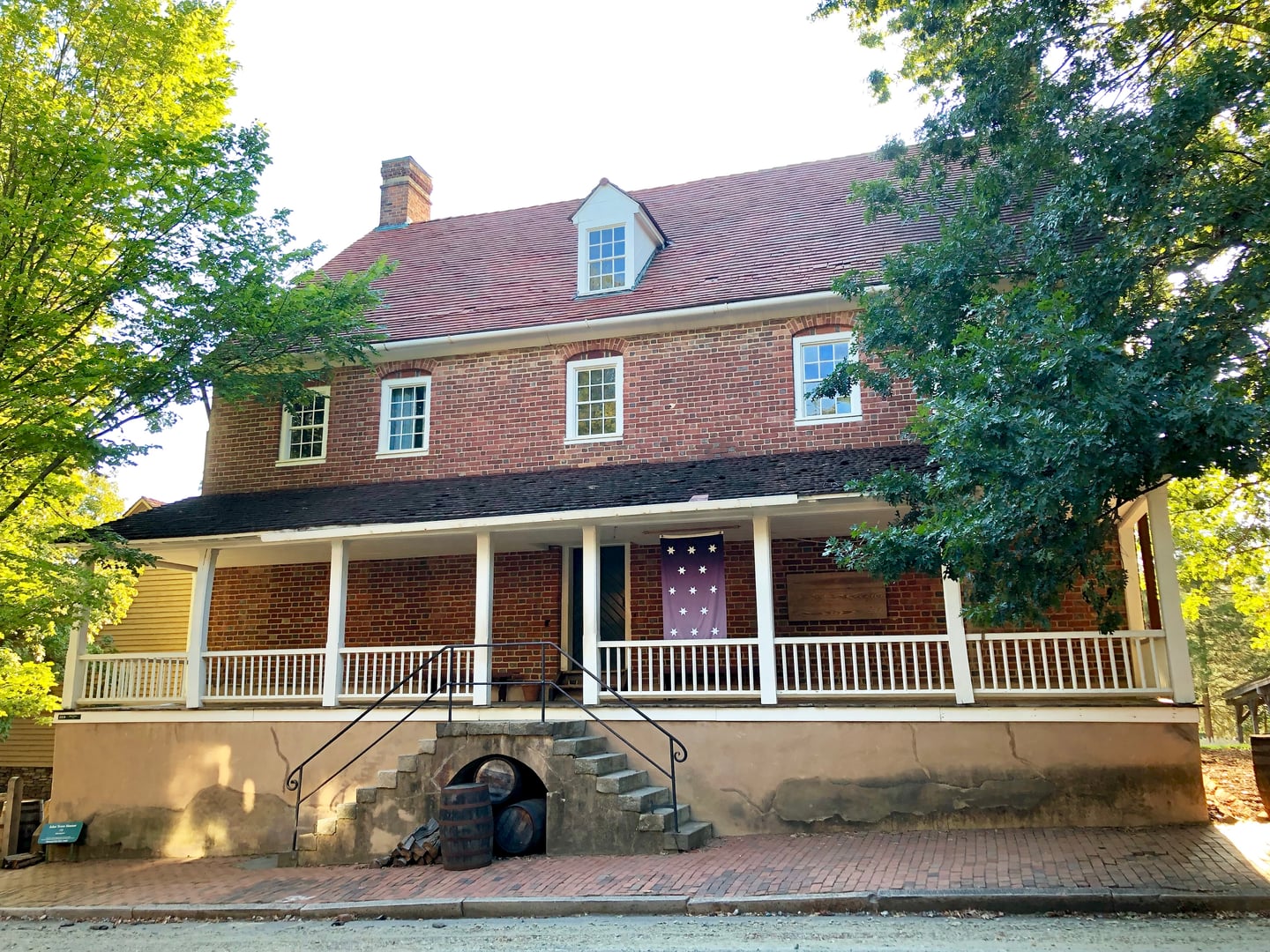
The town was first named Fillmore and renamed Eckley in 1857 for a son of Judge Eckley Coxe, whose family controlled much of the surrounding coal land. Like other patch towns, Eckley was a closed company community: the firm owned the houses, the store, and the land, and a worker's standing in the town tracked his job in the mine. Housing along the main street was graded by rank, with larger dwellings for supervisors and the Sharpe House for the operator's family, smaller doubles for laborers, and separate sections that reflected ethnic and religious divisions among the workforce.
The colliery and the town declined with the long contraction of anthracite mining in the twentieth century. In 1968 the wooden coal breaker that still stands at the edge of the village was built as a set for the film The Molly Maguires, which was shot partly at Eckley. The Pennsylvania Historical and Museum Commission acquired the village in 1970 and has run it since as a living-history museum, keeping more than fifty original structures standing so visitors can see how an anthracite labor town was actually laid out and lived in.
Sources
- https://en.wikipedia.org/wiki/Eckley_Miners%27_Village
- https://eckleyminersvillage.com/
- https://www.wnep.com/article/news/local/luzerne-county/haunted-tour-at-eckley-miners-village/523-9e0bbf2c-a43f-45d6-b75c-a2a93c182943
Living-history night tour atmosphereStaged scenes by costumed actors
Eckley does not carry one famous haunting so much as the accumulated history of an anthracite patch town, where mine accidents, black lung, and child labor were ordinary facts of life. That history is what the museum's October program draws on. The Haunted Halloween lantern tours walk visitors down the dark village street in small groups, stopping at roughly ten points where about thirty volunteers stage short scenes. Organizers describe the mix as partly frightening and partly comic, and for many returning visitors the appeal is as much about remembering the town's hard 19th-century past as about being scared.
Because the village is a genuine historic site rather than a built attraction, the setting does most of the work: original double-houses, the company store site, the old church, and the looming wooden coal breaker, all seen by lantern and flashlight. The tour is a seasonal, staged event rather than a paranormal investigation, and the museum presents it openly as living history with a Halloween frame rather than claiming documented hauntings.
Media Appearances
- The Molly Maguires (film, 1970)