Whiskey Rebellion · Colonial Military History · National Historic Landmark
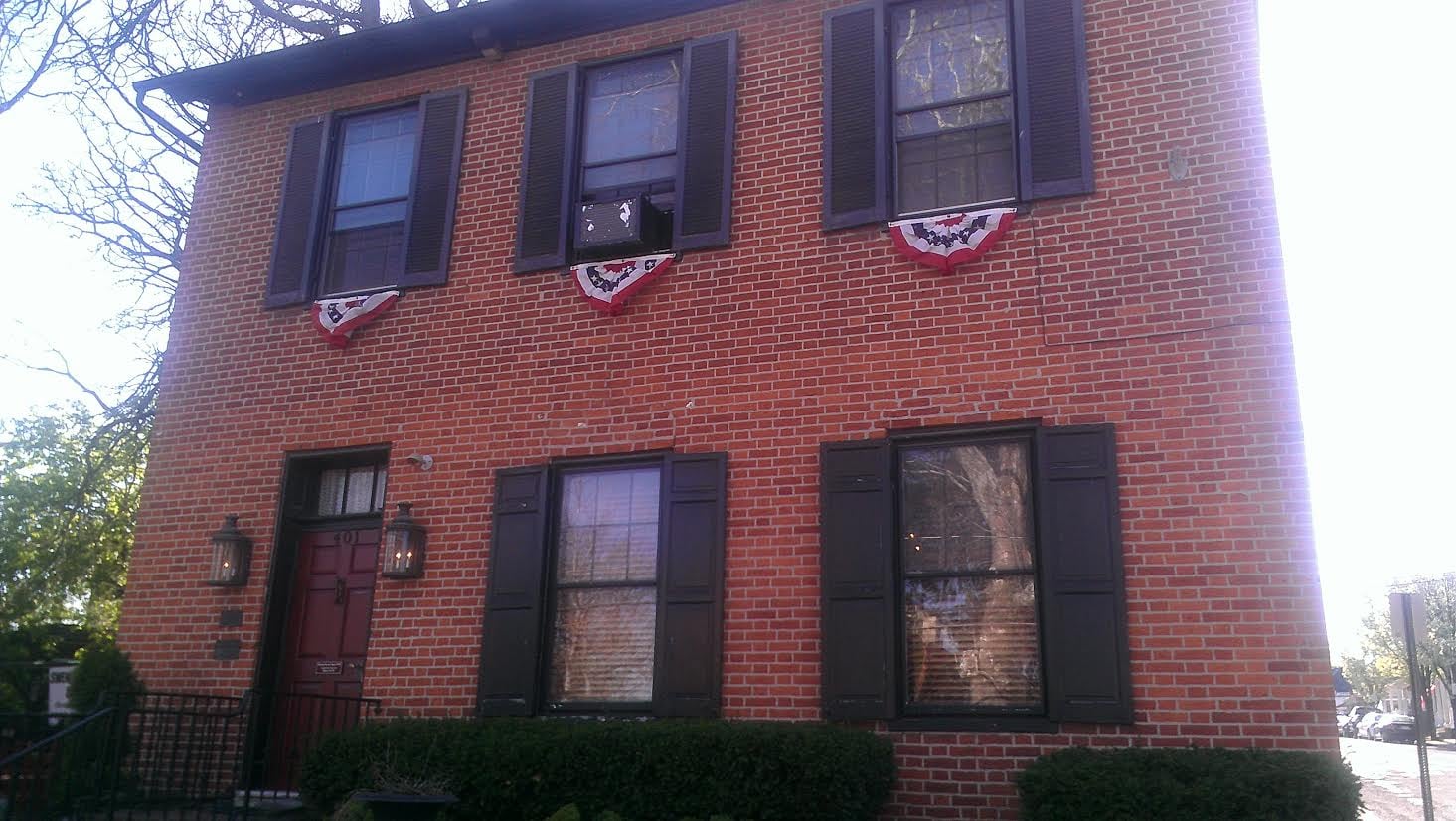
The Jean Bonnet Tavern stands at 6048 Lincoln Highway in Bedford County, Pennsylvania, a position it has occupied since approximately 1762. Before opening as a tavern, the property had been used by the French as an outpost and headquarters during the colonial period that preceded the Revolutionary War — a layering of military history onto what would become a civilian watering hole.
The tavern's most historically significant documented moment came in 1794, when it served as a gathering place during the Whiskey Rebellion. When the new federal government imposed a tax on distilled spirits, western Pennsylvania farmers — many of whom converted their grain surplus to whiskey as a practical economic necessity — organized resistance. The Jean Bonnet Tavern was among the meeting sites for those planning their response, placing this building inside one of the first major challenges to federal authority in the post-Revolutionary period.
For centuries the tavern served travelers on the route that is now the Lincoln Highway. The building includes a restaurant on the historic ground level and bed-and-breakfast lodging in the upper stories, with each overnight stay including a country breakfast. A ghost book compiled from patron accounts of unexplained experiences is available for viewing at the bar.
As of 2026, the tavern operates Monday through Saturday, 11 a.m. to 9 p.m. Sundays are closed.
Sources
- https://en.wikipedia.org/wiki/Jean_Bonnet_Tavern
- https://www.jeanbonnettavern.com/ghosts/
- https://pabucketlist.com/the-jean-bonnet-tavern-historic-haunted-and-delicious/
ApparitionsObject movementPhantom footstepsShadow figures
The paranormal reputation of the Jean Bonnet Tavern is sufficiently documented that the staff maintains a dedicated ghost book at the bar — a compilation of patron accounts accumulated over many years, available for viewing by anyone who asks.
The spinning wheel is among the most frequently mentioned focal points. Multiple accounts describe it beginning to spin slowly with no one within reach of it, in a bar that is otherwise occupied by customers. It sits in plain sight; its movement has been observed by groups.
Room 3 upstairs has generated its own accumulation of accounts. The room contains a rocking chair, and guests have described waking to find it moving in the night. Those who place a coat, bag, or other personal item on the chair before sleeping have repeatedly found their belongings on the floor in the morning.
Local folklore references several hangings on the property in the 1700s, including that of a convicted highway robber. A shadowy male figure near the fireplace and a female apparition seen looking out windows have been described by separate visitors who were apparently unaware of each other's accounts.
A ghost described as a wounded Civil War veteran with a wooden leg, said to drag across the floors of the upper stories, and a military figure seen in the basement have also been documented in early accounts drawn from paranormal aggregator sources.
The tavern's staff characterize the building's reputation as part of its identity, not as a liability. The ghost book is offered openly.
Notable Entities
Room 3 Rocking Chair GhostThe Hanged Highway Robber