Est. 1886 · Hanford Historic District · Kings County Victorian Architecture · San Joaquin Valley Heritage
Hanford was incorporated in 1891 as the county seat of Kings County, having grown from a Southern Pacific Railroad depot town established in the early 1870s. The Victorian commercial and residential architecture along North Irwin Street reflects the prosperity of the late nineteenth century agricultural economy that defined the San Joaquin Valley.
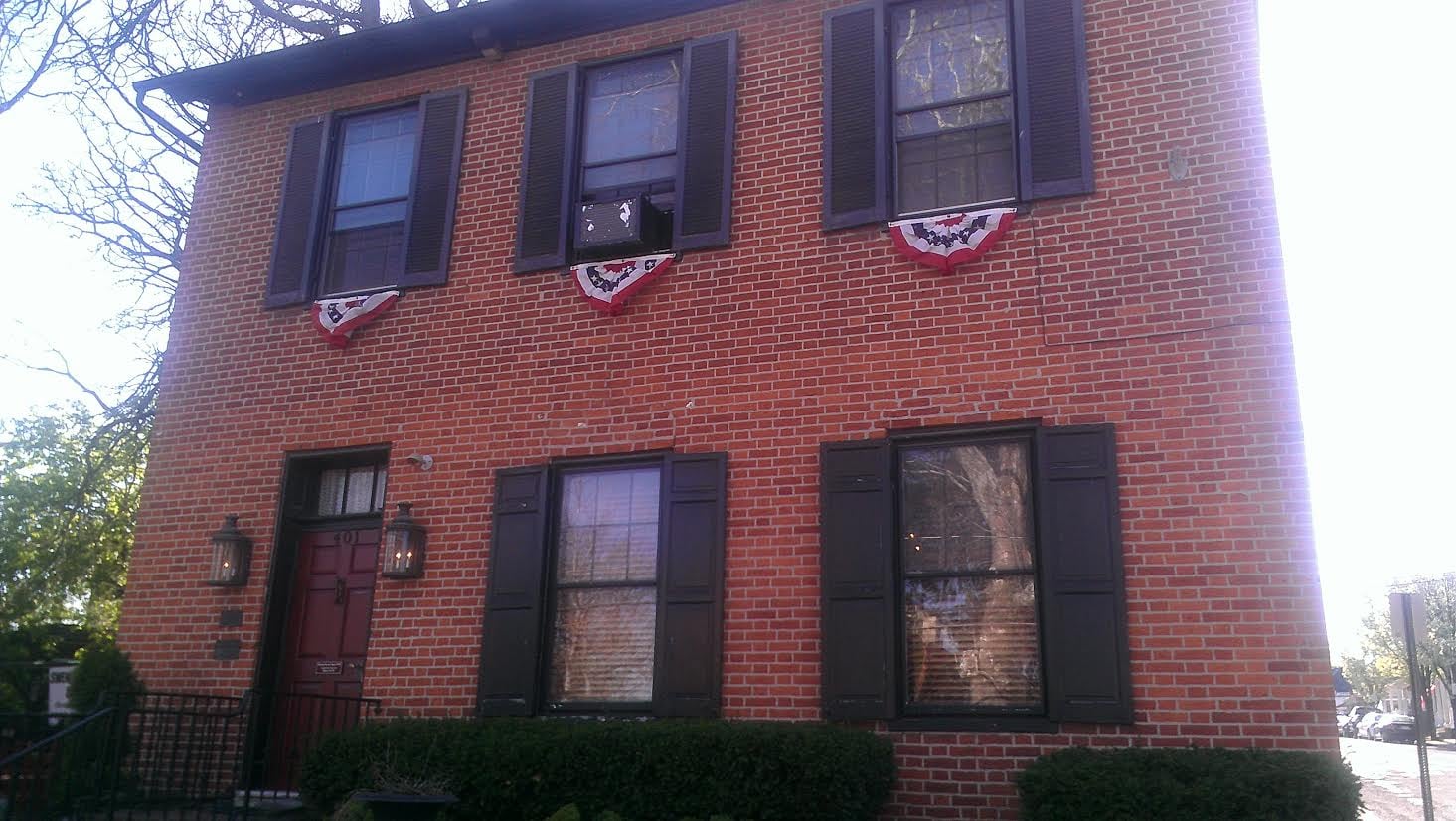
The Irwin Street Inn property was built in 1886, predating the town's incorporation. The four Victorian houses arranged around a central courtyard were developed as residential structures before the property's conversion to commercial use. A fire in downtown Hanford is mentioned in some accounts as part of the property's early history, though the existing buildings date to the 1886 construction.
The property became a restaurant and inn around 1980. It has operated continuously since, hosting dining, overnight guests, weddings, and private events. The antique furnishings, stained glass windows, and Victorian architectural detail have been maintained through successive ownership changes.
Sources
- https://hanfordsentinel.com/business/irwin-st-inn-haunted-rooms-and-delicious-food/article_581a79f9-d37c-546d-8bbc-cfcb938b3e44.html
- https://www.mainstreethanford.com/irwin-street-inn
ApparitionsObject movementDoors opening/closingLights flickeringPhantom sounds
The accounts from Irwin Street Inn are notable for their consistency across sources: staff and guests independently report the same categories of phenomena in the same building.
Employee Ricardo Lara-Saiz worked the inn for eight years and documented his experiences in detail. Late one night, he witnessed the apparitions of a man and woman on the staircase. On a separate occasion, a glowing face appeared in front of him in the darkness and vanished — described as popping like a bubble. He also described a pervasive dark feeling that settled over certain areas of the building, felt by multiple staff members.
The three ghost tradition — a woman in Victorian dress, a young girl, and a young boy — appears across independent accounts rather than originating from a single source. The Victorian clothing attribution aligns with the building's 1886 construction date.
Guest accounts from hundreds of visitors describe physical phenomena: bedsheets that move without contact, windows that slam without wind, lamps that switch on and off at irregular intervals. These reports occur in specific rooms rather than throughout the building uniformly, suggesting zones of concentrated activity.
Apparitions in the dining room and on the second floor have been reported separately from the staircase accounts. The building's multiple structures and courtyard configuration create distinct spaces with distinct reputations within the overall property.