Est. 1700 · Pennsylvania German Folklore · Braucherei / Powwowing Tradition · Indigenous Healing Sites · Northampton County Ridge Preserve
Hexenkopf stands in the Lehigh Valley region of eastern Pennsylvania, a landscape settled heavily by German-speaking immigrants from the Palatinate and surrounding regions during the 18th century. Before their arrival, Indigenous peoples had long used the site for healing rituals, drawing illness and evil spirits out of patients and directing them into the rock — a practice rooted in animist beliefs about land and spirit.
The Pennsylvania Germans who moved into the region encountered this tradition and integrated it with their own system of folk healing called braucherei, known in English as Pennsylvania Dutch powwowing. For more than two centuries — from roughly the 1700s through the mid-20th century — local powwowers brought the sick to Hexenkopf, performed verbal and tactile healing ceremonies, and directed the extracted spirits into the rock. The Northampton County Historical Society published a comprehensive account of this practice, Hexenkopf: History, Healing and Hexerei, by Ned D. Heindel.
The rock itself contributes to the legend through physical appearance. Its outcrop profile resembles the stereotypical silhouette of a witch's head when viewed from certain angles, and sheets of mica embedded in the stone cause the rock to catch and reflect moonlight in a way observers have historically described as an eerie glow. The peak sits at the center of a dense folklore tradition — stories of witches dancing at the summit on Walpurgisnacht (April 30, Witches' Sabbath Eve) and on November 2, All Soul's Day, appear in multiple sources.
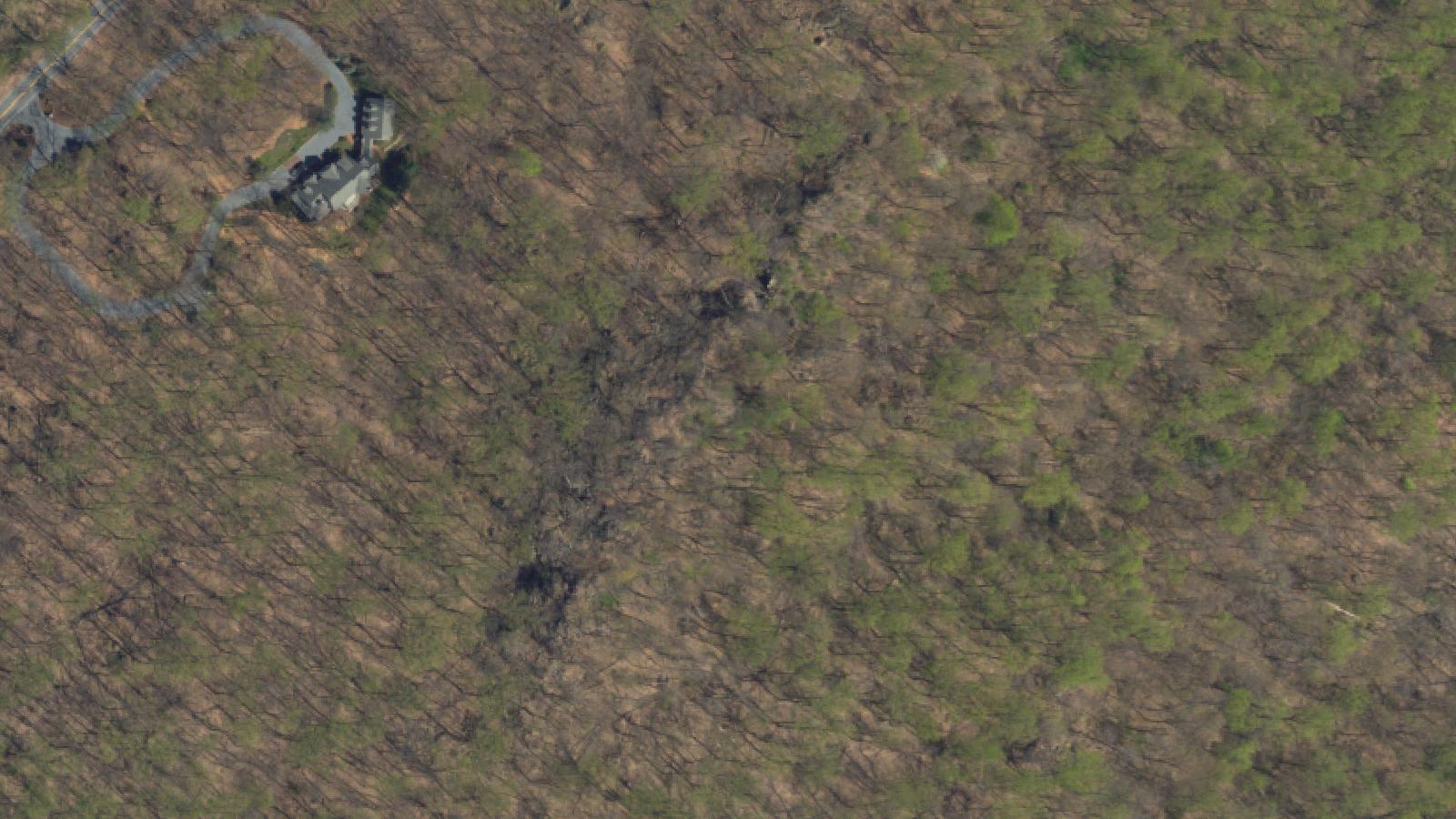
In 1967, Ned Heindel and his family purchased a house and barn on the hill and gradually expanded their holdings to approximately 140 acres. In 2020, they donated 76 acres to Northampton County, which now protects the site as the Hexenkopf Ridge Preserve — ensuring public access to one of Pennsylvania's most historically and culturally significant natural areas.
Sources
- https://en.wikipedia.org/wiki/Hexenkopf_Hill
- https://sauconsource.com/2020/10/30/haunted-lehigh-valley-of-hexenkopf-rock-witches-halloween/
- https://canals.org/2022/11/09/hexenkopf/
- https://www.topoquest.com/map.php?datum=nad83&lat=40.61788&lon=-75.24129&zoom=4
ApparitionsShadow figuresPhantom soundsPhantom footstepsResidual haunting
The legends that have accumulated around Hexenkopf over three centuries are unusually specific. Witches were said to gather at the summit on the two nights most associated with the souls of the dead: October 31 into November 1, and April 30, Walpurgisnacht. These were not simply atmospheric stories — they reflected genuine folk anxiety about the rock's power, rooted in the powwowing tradition that had assigned it as the repository of extracted illness and malevolent spiritual energy.
Among the more vivid legends is that of a headless hunter. He and his equally headless dog have reportedly been observed moving through the surrounding woods, apparently engaged in an eternal, unsuccessful pursuit of a white fox. The fox has also been sighted independently of the hunter. The combination — headless man, headless dog, phantom quarry — appears in multiple documented accounts of the site.
The second apparition is a one-legged farmer, reportedly a man who fell to his death from the rocks while chasing a witch. His wooden prosthetic leg taps audibly on the stone surface. Visitors who have approached the summit after dark have described hearing this sound without a visible source.
The rock's reputation extends to the surrounding land. Families living adjacent to Hexenkopf have historically been documented as experiencing disproportionate rates of fire, illness, suicide, and mental disturbance — a pattern noted in both folk accounts and local historical records.
The Saucon Source, which covers Lehigh Valley history and culture, documented these legends in detail in a 2020 piece timed to Halloween. The Delaware and Lehigh Canal history project (canals.org) also published a history of the site in 2022. Hexenkopf has been the subject of an academic study published by the Northampton County Historical Society and has attracted documentary filmmakers. A YouTube video titled 'The Most Haunted Forest in Pennsylvania' focuses on the site.
Notable Entities
Headless HunterHeadless DogOne-Legged FarmerWhite Fox
Media Appearances
- Hexenkopf: History, Healing and Hexerei by Ned D. Heindel (2009)