Self-Guided Visit
Revolutionary War Cemetery Walk
Explore this 1796 hilltop cemetery where some markers date to the Revolutionary War era. The site of the former church, which burned in 1973, is visible across the road.
- Duration:
- 30 min
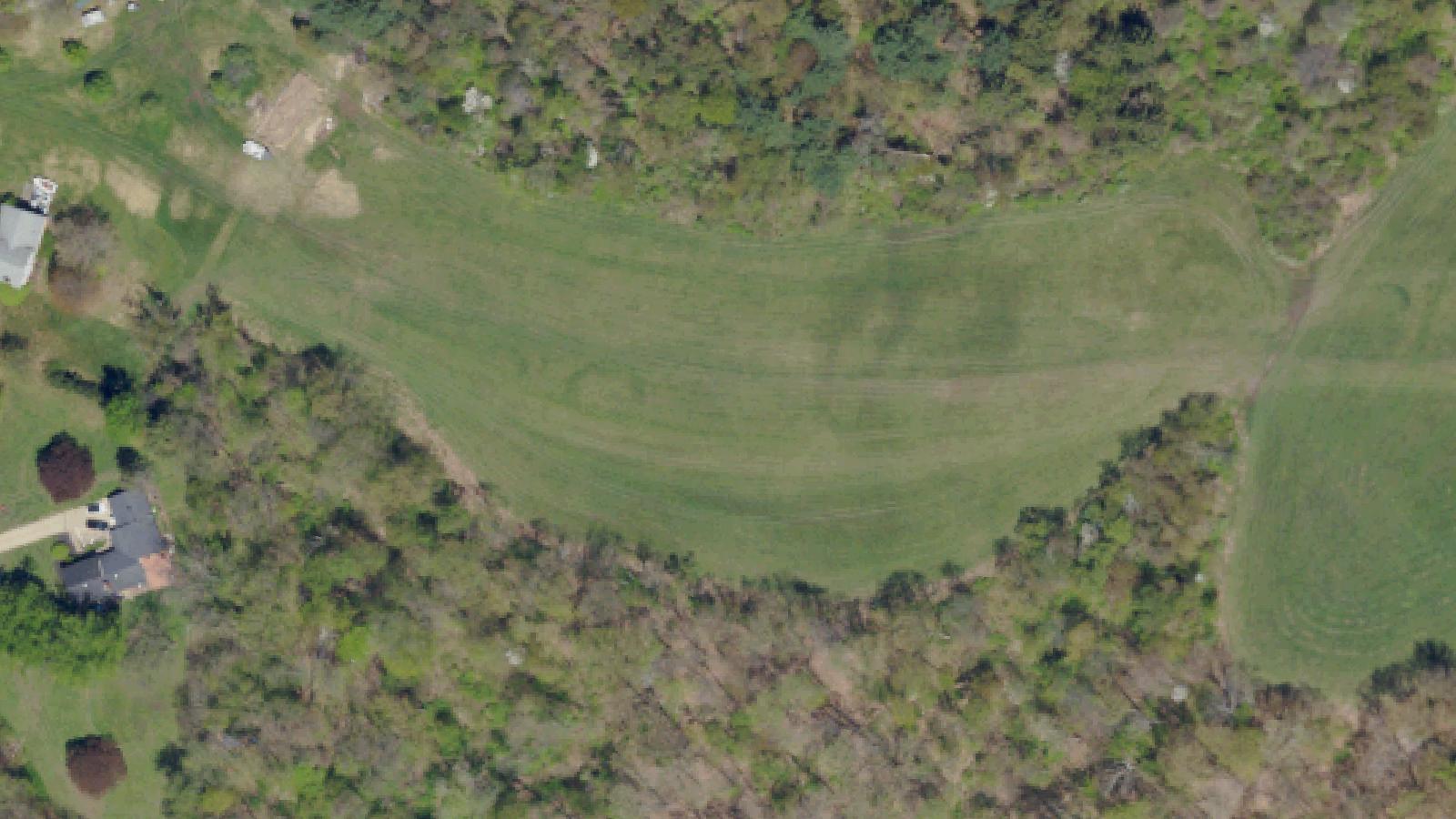 Aerial survey · USDA NAIP · public domain
A Revolutionary War-era 1796 Lutheran cemetery atop a hill in Murrysville, Pennsylvania, whose burned church and unverified minister-lynching legend have made it a well-documented regional paranormal destination.
Hankey Church Road, Murrysville, PA 15668
Research updated May 2026
Age
All Ages
Cost
Free
Publicly accessible; land still owned by the Lutheran congregation
Access
Limited Access
Hilltop cemetery; grass and uneven ground; rural road access
Equipment
Photos OK
Est. 1796 · Established 1796 by German Lutheran/Reformed immigrants · Contains graves of Revolutionary War soldiers · One of the older surviving burial grounds in Westmoreland County · Associated church building burned 1973
Hankey Church Cemetery has occupied its windswept hilltop near Murrysville, Westmoreland County, since 1796. Established by German immigrant Lutheran and Reformed congregations, the cemetery is one of the older burial grounds in the Pittsburgh metropolitan region and contains grave markers for several veterans of the Revolutionary War.
The Hankey Church building itself stood across the road from the cemetery for nearly two centuries until it was destroyed by fire in August 1973. The circumstances of the fire were described as suspicious, though no definitive cause was ever publicly established. The Lutheran congregation, whose membership records extend continuously from 1796, relocated their active church several miles away but retained ownership of both the former church site and the historic cemetery.
The congregation's own records, which document each pastor who served from 1796 through the present, represent a significant historical archive for the local area. Researchers have noted that the cemetery's grave markers include carved symbols, fraternal insignia, and inscriptions consistent with German Lutheran communities of the late 18th and early 19th centuries. Some markers have deteriorated, but the majority of the older stones remain legible. A distinctive grave marker shaped like a tree trunk has attracted particular attention from visitors.
Sources
The Hankey Church Cemetery has acquired a well-documented paranormal reputation in the Pittsburgh region, described by CBS Pittsburgh as one of the city's most storied haunted graveyards. The most prevalent legend involves a minister who was allegedly lynched by his congregation after being caught committing adultery. A variant holds that the minister murdered his entire family, burned the church himself, and was then hanged by congregation members from the largest tree on the property.
Researchers have investigated this claim and found no supporting evidence. The Lutheran congregation's detailed historical records, which document each clergyman who served from 1796 to the present, contain no reference to any lynching or execrable act by any pastor. A skeptical blogger who visited the site and reviewed the church records characterized the legend as bearing the hallmarks of a student-invented story, possibly inspired by literature like The Scarlet Letter. Despite the debunked origin, the legend is widely circulated in Pennsylvania paranormal writing.
Visitors to the cemetery regularly report sensory phenomena that are not easily explained by the legend's origins: orbs of light visible in photographs, persistent cold spots, a feeling of weightlessness or floating, numbness in the extremities, and what some describe as burning sensations. A tree-trunk-shaped grave marker in the cemetery is consistently identified by paranormal investigators as the focal point of reported activity. CBS Pittsburgh documented the site's reputation, noting it draws regular visitors seeking unexplained experiences.
Explore this 1796 hilltop cemetery where some markers date to the Revolutionary War era. The site of the former church, which burned in 1973, is visible across the road.
Some links on this page may earn HauntBound a small commission when you book, at no extra cost to you. Our editorial picks are independent. Full disclosure
Every HauntBound history is researched from documented sources. We clearly separate verified historical fact from paranormal folklore.
Free Guide
11 verified stops, rated for families, mapped in order. Free.
One email to confirm, then the guide link. Unsubscribe anytime.
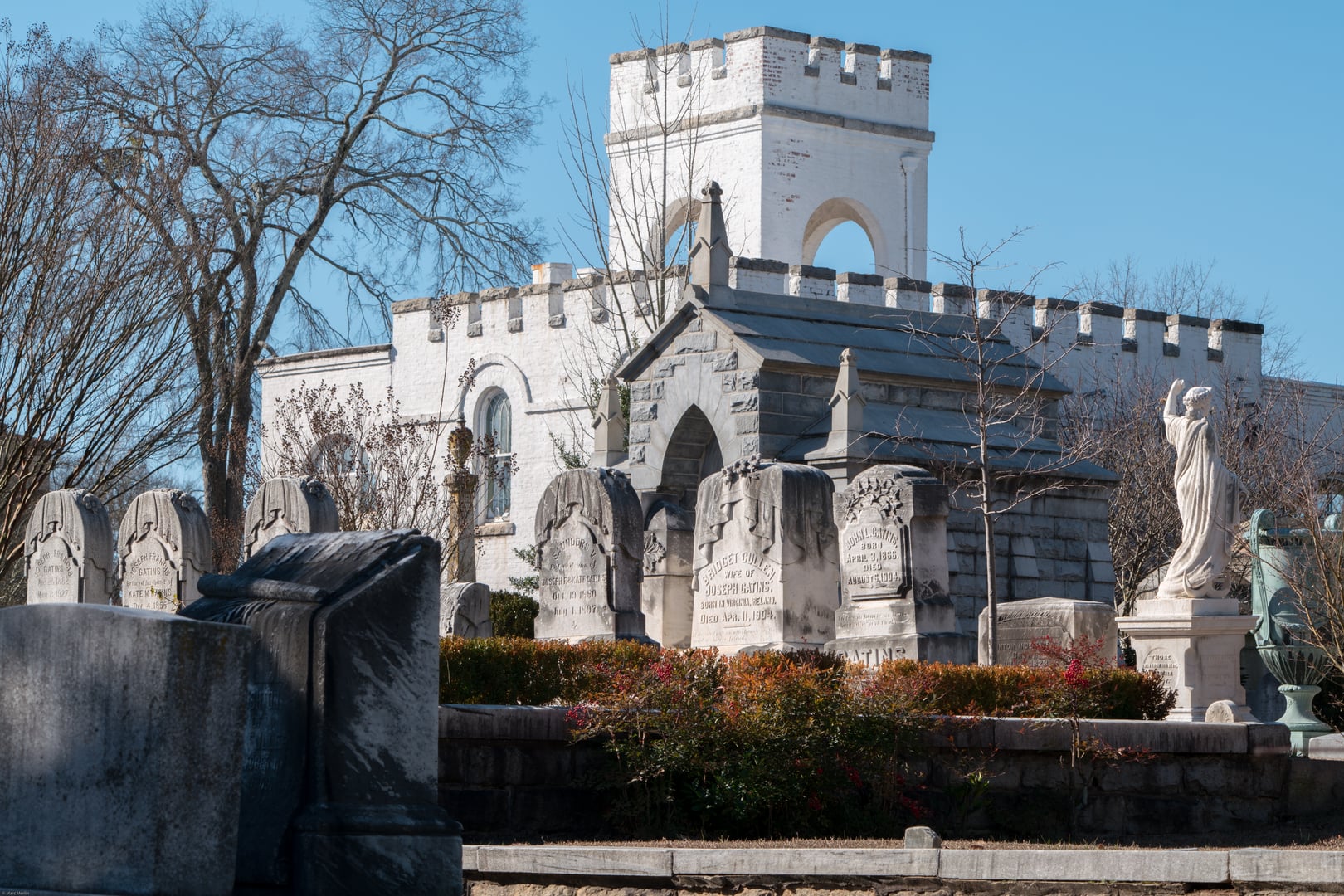
Atlanta, GA
Historic Oakland Cemetery was chartered in 1850 as the six-acre 'Atlanta Cemetery,' renamed Oakland in 1872, and expanded to 48 acres. Approximately 70,000 people are interred, including roughly 6,900 Confederate soldiers (3,000 unidentified), four Confederate generals, six Georgia governors, 27 Atlanta mayors, Margaret Mitchell, golfer Bobby Jones, and Maynard Jackson, Atlanta's first African American mayor. The cemetery was listed on the National Register of Historic Places on April 28, 1976.
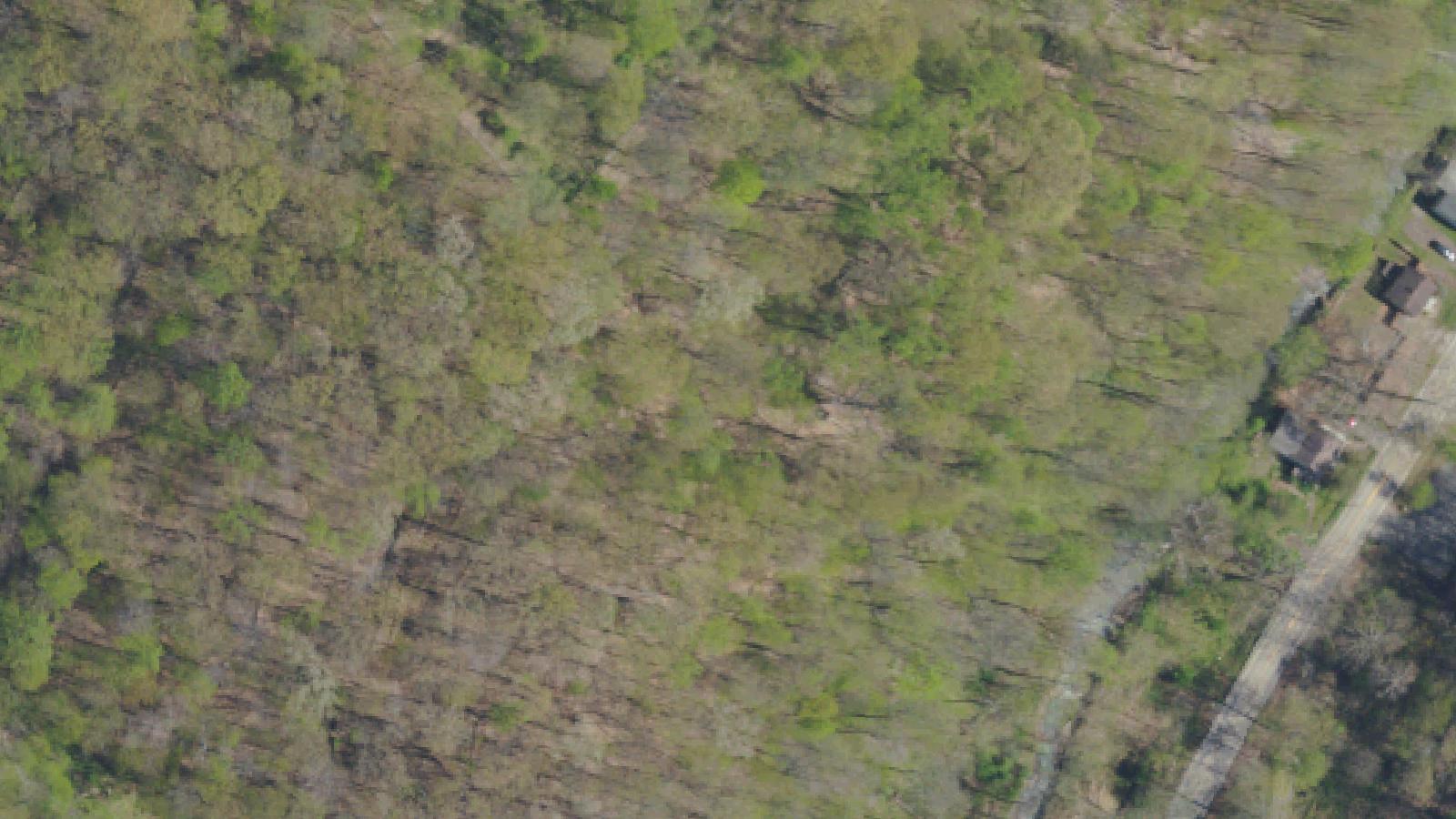 Aerial survey · USDA NAIP
Monroeville, PA
Restland Memorial Park was founded in 1928 in Monroeville, Allegheny County, Pennsylvania. Spanning over 100 acres of rolling landscaped hills, it is an active community cemetery serving Pittsburgh's eastern suburbs. The park offers traditional burials, mausoleums, cremation niches, and dedicated veteran sections.
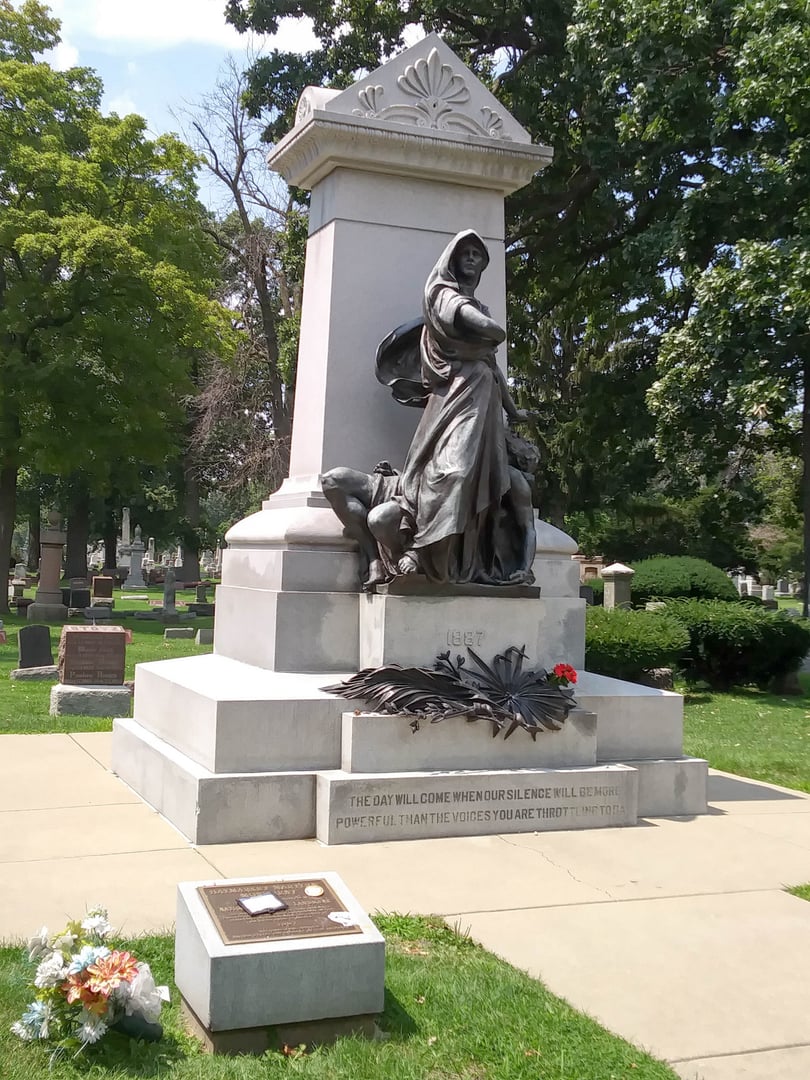
Forest Park, IL
Forest Home Cemetery in Forest Park, Illinois, grew from two adjacent cemeteries — German Waldheim (established 1873) and Forest Home (1876) — which merged in February 1969. The 220-acre site was chosen as a non-denominational burial ground, a policy that made it the only Chicago-area cemetery willing to accept the bodies of the Haymarket defendants in 1887.