Est. 1885 · 1889 Johnstown Flood · Mass Burial of Unidentified Victims · Pennsylvania State Flood Memorial (dedicated 1892)
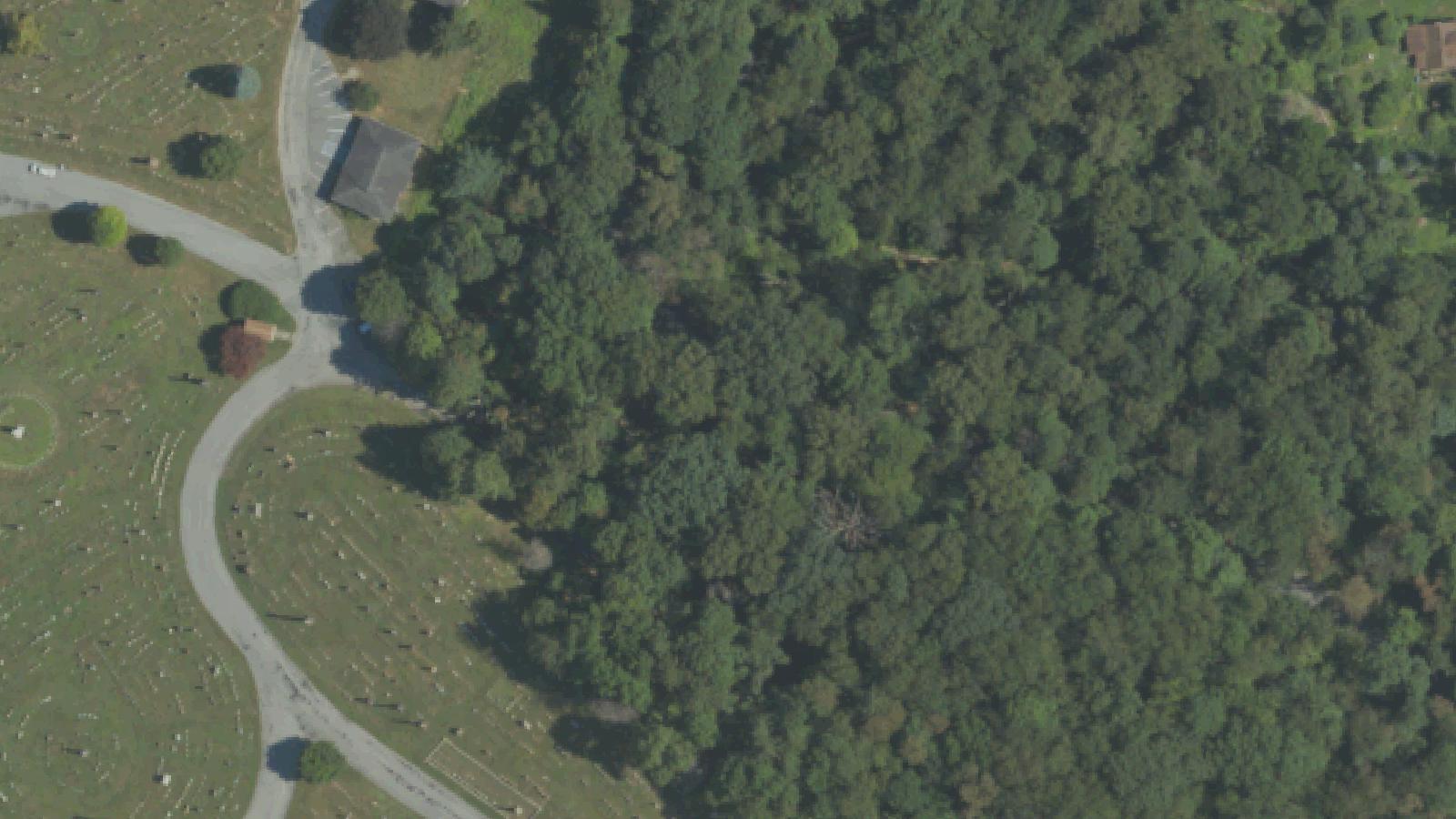
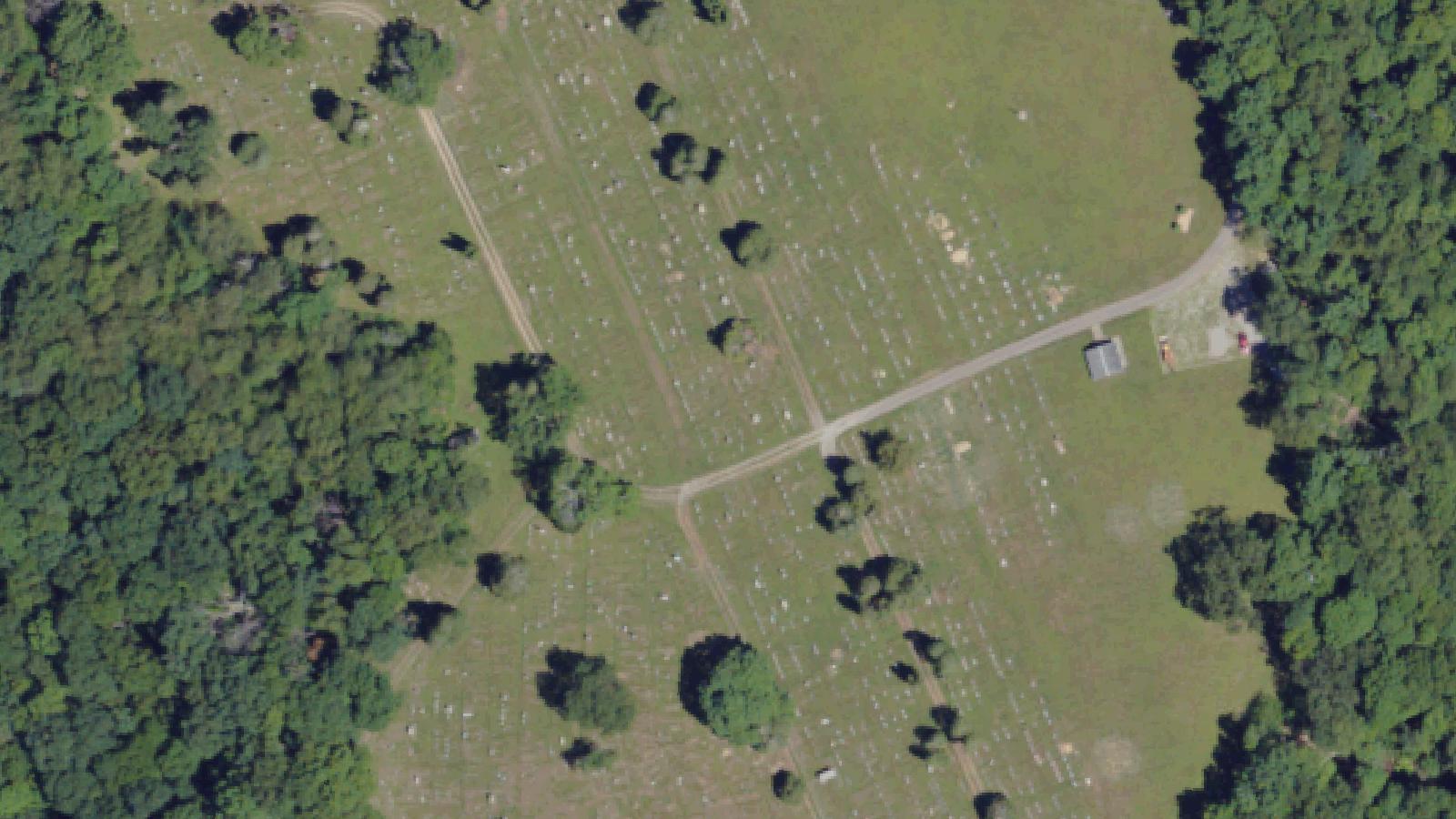
Grandview Cemetery opened in 1885 on a hill above Johnstown, a steel-and-coal city in the narrow valleys of Cambria County. Four years later, on May 31, 1889, the South Fork Dam, 14 miles upstream, failed and sent a wall of water into the city. The Johnstown Flood killed 2,209 people, one of the deadliest disasters in American history.
Recovery of the dead stretched on for months. Roughly one-third of the victims, 777 people, were never identified. About five months after the disaster, in the hope that some might still be recognized, the hastily buried remains were exhumed and reinterred together in a roughly 20,000-square-foot section of the new Grandview Cemetery that became known as the Plot of the Unknown.
The plot is marked by rows of identical white headstones laid out in a grid. At its center stands a memorial purchased by the Commonwealth of Pennsylvania: a 35-ton, 21-foot monument of Vermont granite, a sarcophagus topped by three larger-than-life allegorical figures representing Faith, Hope, and Charity. It was dedicated on May 31, 1892, the third anniversary of the flood, before a crowd estimated at 10,000 that included the governor.
The cemetery remains active and is a recognized stop for visitors learning the flood's history, often paired with the Johnstown Flood Museum and the National Memorial at the former dam site.
Sources
- https://en.wikipedia.org/wiki/Grandview_Cemetery,_Johnstown
- https://en.wikipedia.org/wiki/Johnstown_Flood
- https://www.grandviewjohnstownpa.com/
- https://www.visitjohnstownpa.com/partner/grandview-cemetery-plot-of-the-unknown
Photographic orbsReported EVP audio anomaly
The Plot of the Unknown's reputation as a haunted place grows directly from its history: 777 people buried without names after a single catastrophic night. The rows of blank markers, the scale of the loss, and the unanswered question of who lies beneath each stone give the site an emotional weight that visitors often describe in supernatural terms.
Paranormal accounts attached to the plot are modest and anecdotal. Visitors and informal ghost-hunting groups have reported light anomalies, or 'orbs,' appearing in photographs taken among the white headstones. The most repeated story involves an audio recording said to capture a young girl's voice asking to be saved, an account passed along in regional haunted-places writing rather than documented in any formal investigation.
These claims should be read against the dignity of the site. The Plot of the Unknown is first a memorial to a mass-casualty disaster, not an entertainment attraction, and the people buried there were ordinary residents of a flooded city. Grandview Cemetery remains an active burial ground, and visitors are expected to behave accordingly.
The haunting reputation, such as it is, functions mostly as an extension of remembrance: a way that later generations register the unresolved grief of 1889. The verified history is the powerful part; the ghost stories are a quiet, unconfirmed afterimage of it.