Est. 1868 · Battle of Gettysburg · Civil War Field Hospital · Pennsylvania College · Founded 1832
Pennsylvania College, now Gettysburg College, was founded in 1832 and occupies a campus that became one of the most consequential pieces of ground in American history during three July days in 1863. Pennsylvania Hall, the oldest surviving campus building, served as a field hospital during and after the Battle of Gettysburg, treating soldiers from both armies. Confederate units used the cupola as an observation post during the battle.
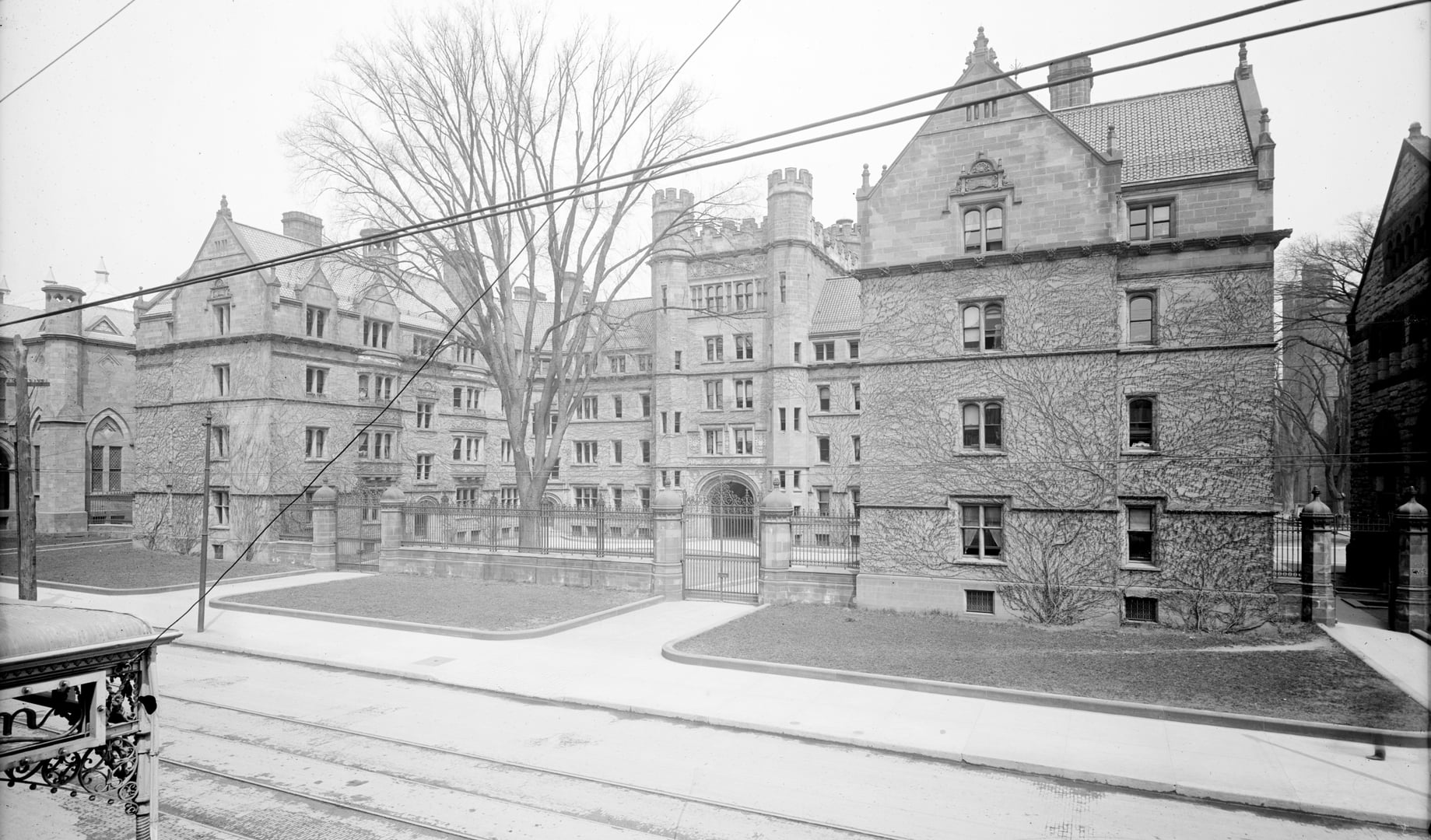
Stevens Hall, completed in 1868, is the fourth-oldest building on campus and one of its most architecturally distinctive nineteenth-century residential halls. The building remains in residential use today.
The Theta Chi fraternity house at 339 Carlisle Street, located opposite Stevens Hall, was a focal point of campus social life through the twentieth century. The fraternity vacated the property, and in 2013 Gettysburg College repurposed the building for use by the Economics and Africana Studies departments.
The broader Gettysburg-area ghost economy - founded substantially on Mark Nesbitt's research and writing in the 1990s and grown into a major component of the borough's tourism revenue - includes the college as a recurring stop on commercial walking tours.
Sources
- https://gettysburgian.com/2024/10/the-hauntings-of-gettysburg-college/
- https://gettysburgian.com/2017/11/the-spirits-of-stevens-hall/
- https://gettysburgian.com/2013/04/former-theta-chi-fraternity-house-to-be-new-home-to-economics-and-africana-studies/
- https://www.thetachi.org/hallowed-ground-gettysburg-s-theta-chi-connection-part-ii
ApparitionsPhantom soundsCold spots
The Blue Boy of Stevens Hall is the most-documented piece of Gettysburg College folklore. Campus tradition, recounted in The Gettysburgian and on the college's accumulated oral record, identifies the figure as a young orphan boy who, in the late nineteenth century, fled mistreatment elsewhere and was taken in by female residents of the hall. When a school official discovered him, he was reportedly placed on an outside window ledge to hide him, and was forgotten there until he died of exposure.
Residents of the upper floors have reported, across many decades, a knocking at the window glass and the impression of a small face pressed against the pane from the outside - the face described in successive student newspaper accounts as small, blue with cold, and turned away when the window is opened. The story is presented in campus material as long-standing folklore rather than as a documented incident.
The Theta Chi house carried its own oral tradition involving the suicide of a previous owner in the basement, with associated reports of seeing a hanging figure said to portend misfortune to the witness or their family. These accounts are anonymous community folklore and have not been verified through coroner or news records. The building's 2013 conversion to academic use has substantially reduced first-hand circulation of the story.
Notable Entities
The Blue Boy
Media Appearances
- Multiple Gettysburg ghost-tour itineraries
- Mark Nesbitt's Ghosts of Gettysburg series