Est. 1858 · Last remnant of Fall Brook, a Tioga County coal boomtown (1858-1899) with nearly 2,300 residents at peak · Resting place of Scottish, Welsh, and British coal-mining immigrants and their families · Located in Tioga State Forest; documented by academic archaeologists (Linda Kennedy, Mountain Home Magazine, 2023) · Approximately 130 interments, disproportionately children — reflecting disease and accident mortality in 19th-century mining communities
Fall Brook was founded in 1858 by John Magee and his son Duncan after the two discovered semi-bituminous coal at Fall Brook Creek in Tioga County, Pennsylvania. The Fall Brook Coal Company was incorporated in 1859 after overcoming early political and logistical obstacles, including the challenge that the richest coal seams lay 600 feet above the railroad tracks. By 1862 the town had grown to 180 houses, a schoolhouse, three boarding houses, a store, a sawmill, two carpenter shops, two blacksmith shops, three weighing offices, and a post office. The town was incorporated in 1864.
At its peak in 1872, nearly 2,300 people lived in Fall Brook, and by 1881 an average of 16,000 tons of coal were mined each month. The workforce was predominantly British — Scottish, Welsh, and English miners emigrating from overcrowded mining communities. According to geoscience professor and archaeologist Linda Kennedy, Scottish mining unions actively subsidized emigration in the 1860s, providing ten shillings from the General Fund to any miner who left for America. By 1870, British and Irish workers comprised 71 percent of Fall Brook's workforce.
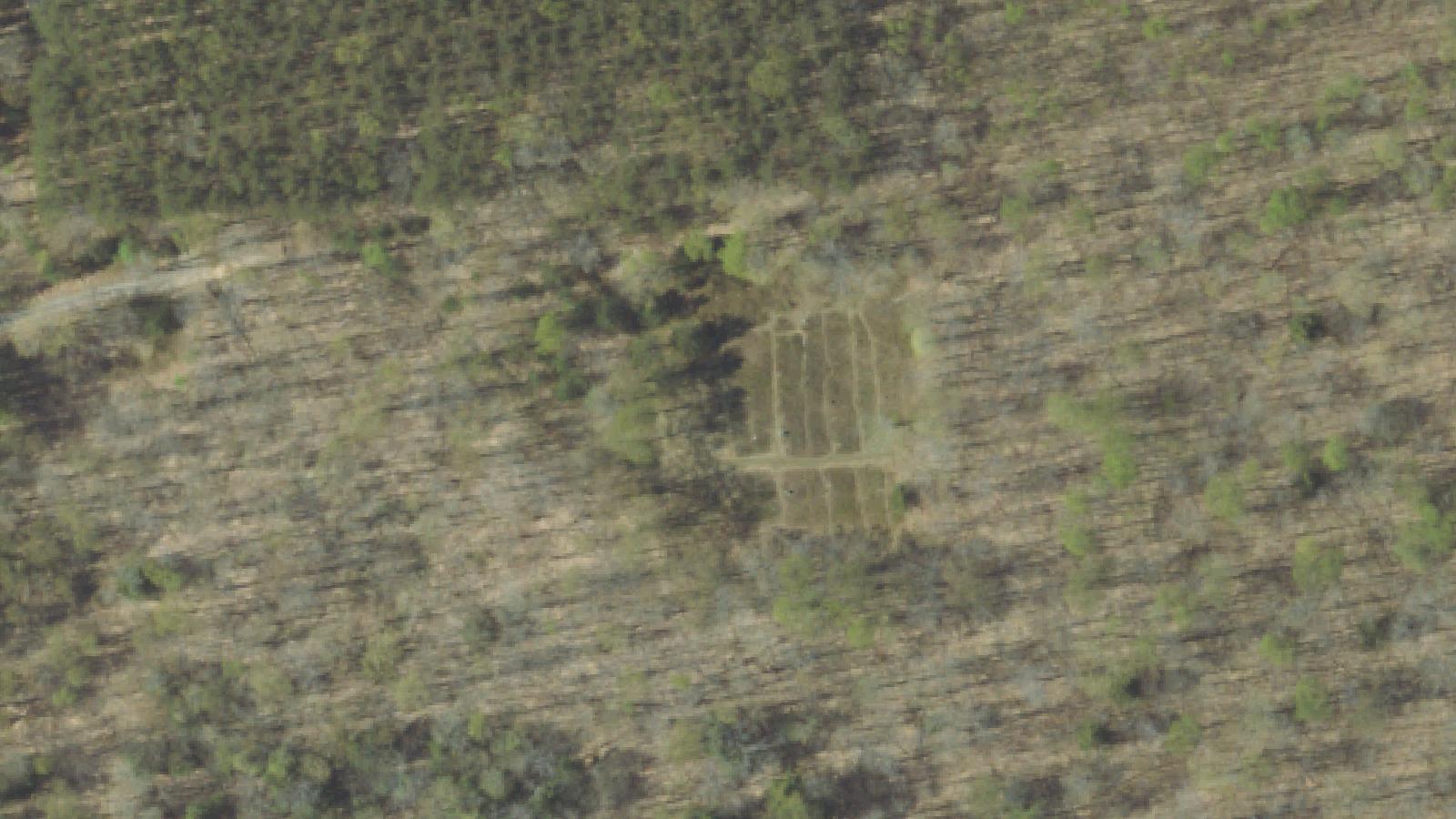
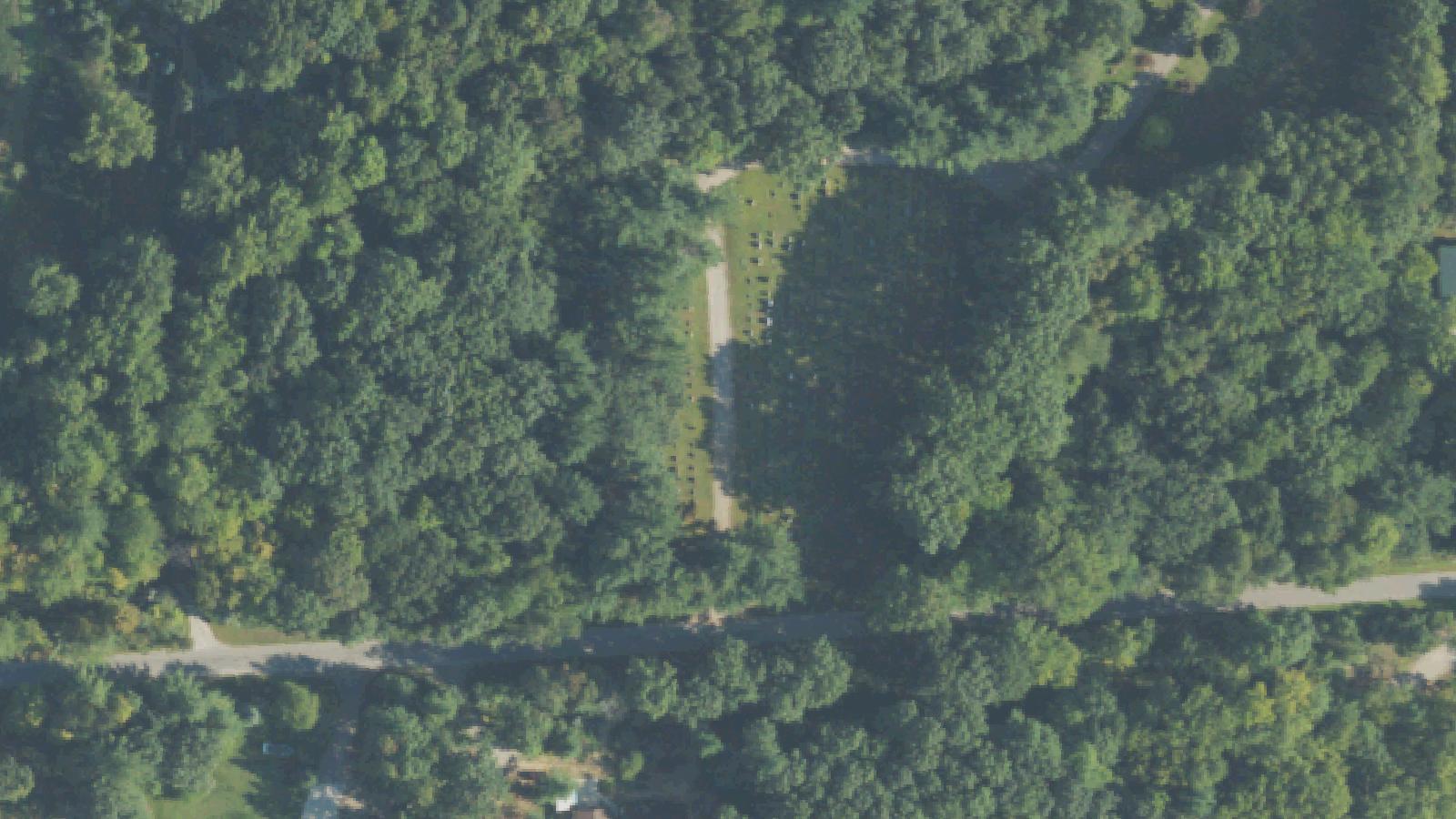
The mines had run dry by the 1890s. Residents abandoned the town quickly, and by 1899 Fall Brook had ceased to exist as a community. The buildings, railroad infrastructure, and mine works were removed or collapsed, leaving only stone cellar foundations and the cemetery. The land is now part of Tioga State Forest, managed by the Pennsylvania DCNR. The cemetery contains approximately 130 interments, many of them children. Headstones record ages of 10 months, two years, and eleven years — reflecting the high childhood mortality common in 19th-century mining communities, linked to disease, accidents, and harsh conditions.
Geoscience professor Linda Kennedy, whose Scottish ancestors are among those buried at Fall Brook, documented the site extensively with students in the early 2020s, using ground-truthing archaeology to locate collapsed foundations still visible in the forest.
Sources
- https://www.mountainhomemag.com/2023/03/01/427378/ghosts-of-mine-street
- https://www.ghosttowns.com/states/pa/fallbrook.html
- https://www.joycetice.com/1883/fallbrok.htm
Children crying or screaming from the woodsUnexplained mistDark figures at the tree lineSense of being watched
Fall Brook Cemetery's paranormal tradition is tied directly to its historical reality: the disproportionately high number of children buried there, many of whom died in smallpox epidemics that swept through the mining community in the 1870s. The Shadowlands Haunted Places Index incorrectly attributes the deaths to bubonic plague, but historical records confirm the primary cause of childhood mortality in Fall Brook, as in most 19th-century Pennsylvania mining communities, was smallpox and related epidemic diseases.
According to Tioga County local press (Tioga Publishing / Westfield Free Press-Courier and Wellsboro Mansfield Gazette), the cemetery has attracted multiple independent investigators. Allan O'Hanlon of Soul Seekers SuperNatural, a Mansfield-based paranormal investigation team, has visited the site on multiple occasions and reports witnessing a banshee-type screaming entity and other unexplained phenomena. A local woman documented by Tioga Publishing in 2024 shared long-running accounts of the 'Last Spirit of Fall Brook.' Multiple sources in the Tioga County press describe a female apparition known locally as 'Walkin' Rosie,' seen strolling through the cemetery at dusk or dawn, and some investigators report the sound of children playing Ring Around the Rosie with no visible source.
The most commonly reported phenomenon is auditory: the sound of children crying or screaming from within the surrounding woods, heard when no children are present. Some accounts describe the screams as emanating from below the ground, consistent with the cemetery's known physical condition — the settling earth and deteriorating wooden coffins have caused some interments to shift visibly upward over the decades since abandonment.
Additional reported phenomena include patches of unexplained mist drifting among the stones in calm air, dark shapes visible at the edge of the tree line, a persistent sense of being watched throughout the site, and reports of car batteries draining when vehicles are driven into the cemetery. The Tioga County press has covered the cemetery's ghost tradition across multiple independent articles spanning at least 2013–2024.
The cemetery's atmosphere is heightened by its physical condition: weathered stones sinking into the forest floor, epitaphs that record the briefest of lives, and the complete absence of the community those lives belonged to. The site carries genuine historical weight regardless of one's views on the paranormal.
Notable Entities
Child spirits (attributed to 1870s smallpox epidemic deaths)Walkin' Rosie (female apparition seen at dusk and dawn)Banshee-type screaming entity
Where this legend is told