Est. 1907 · Deadliest coal-mining disaster in Pennsylvania history (239 killed, December 19, 1907) · Many victims were central- and southern-European immigrant miners · Commemorated by a 1994 PHMC historical marker and a common grave at Olive Branch Cemetery · Part of the disaster wave that spurred early-20th-century U.S. mine-safety reform
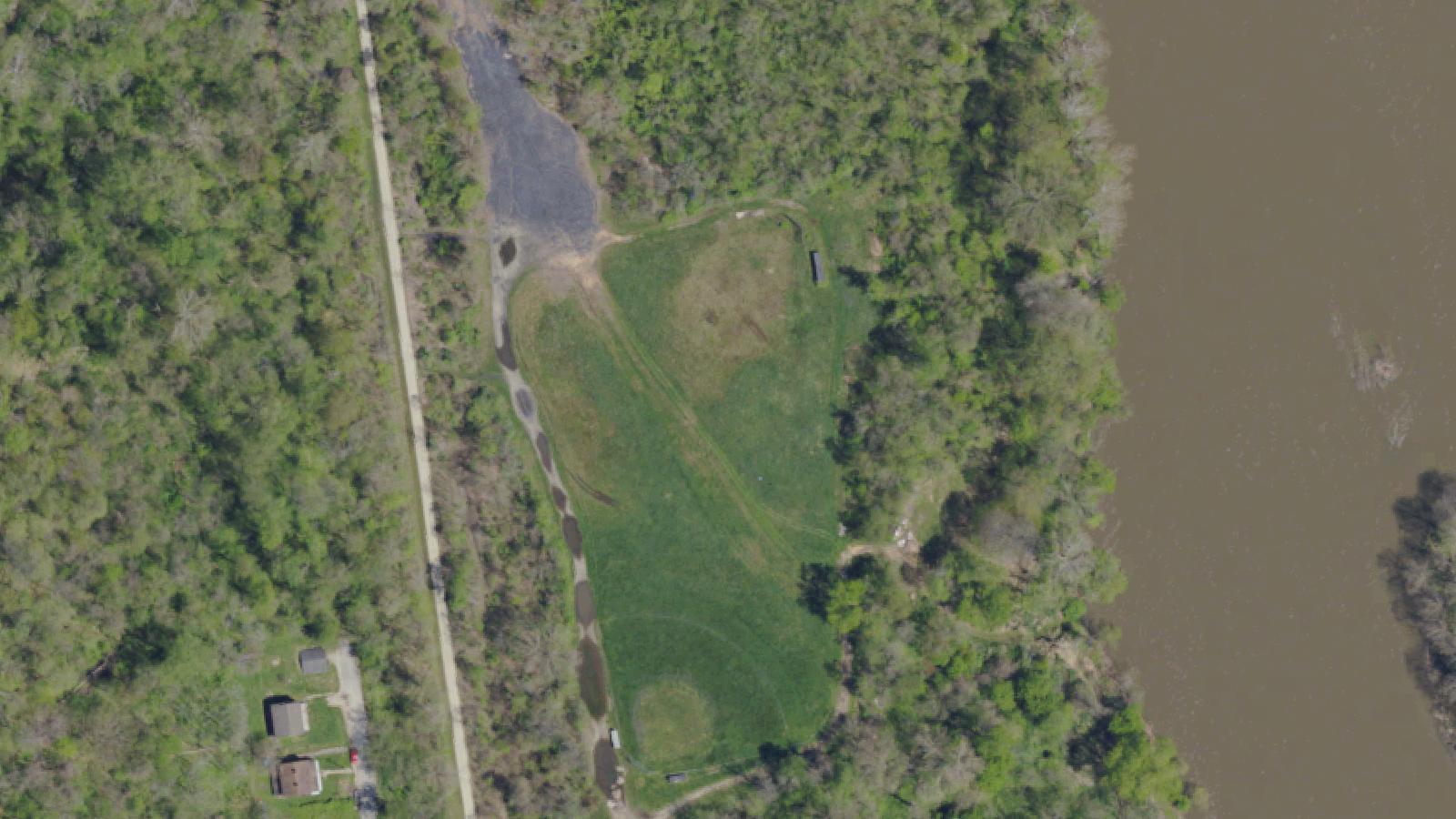
The Darr Mine, operated by the Pittsburgh Coal Company, lay along the Youghiogheny River at Van Meter in Rostraver Township, Westmoreland County, near Smithton, Pennsylvania. At approximately 11:30 a.m. on Thursday, December 19, 1907, a violent explosion tore through the mine. The concussive force hurled stone, coal, and broken timbers from the entrance, demolished coal wagons, and knocked men and horses off their feet; windows broke in nearby homes and a black cloud of dust and smoke drifted across the river.
The blast killed 239 men and boys, the worst coal-mining disaster in Pennsylvania's history. A great many of the victims were recent immigrants from central and southern Europe -- Rusyns, Hungarians and Slovaks from the Austro-Hungarian regions of Gemer and Abov, along with Austrians, Germans, Poles, and Italians. The catastrophe came during a deadly stretch of American mining: it followed the Monongah disaster in West Virginia by less than two weeks.
An official inquiry concluded that the explosion was caused by miners carrying open-flame lamps into a section of the mine that the fire boss had cordoned off the day before because of dangerous conditions. The tragedy contributed to growing public pressure that helped lead to federal mine-safety reforms in the following years.
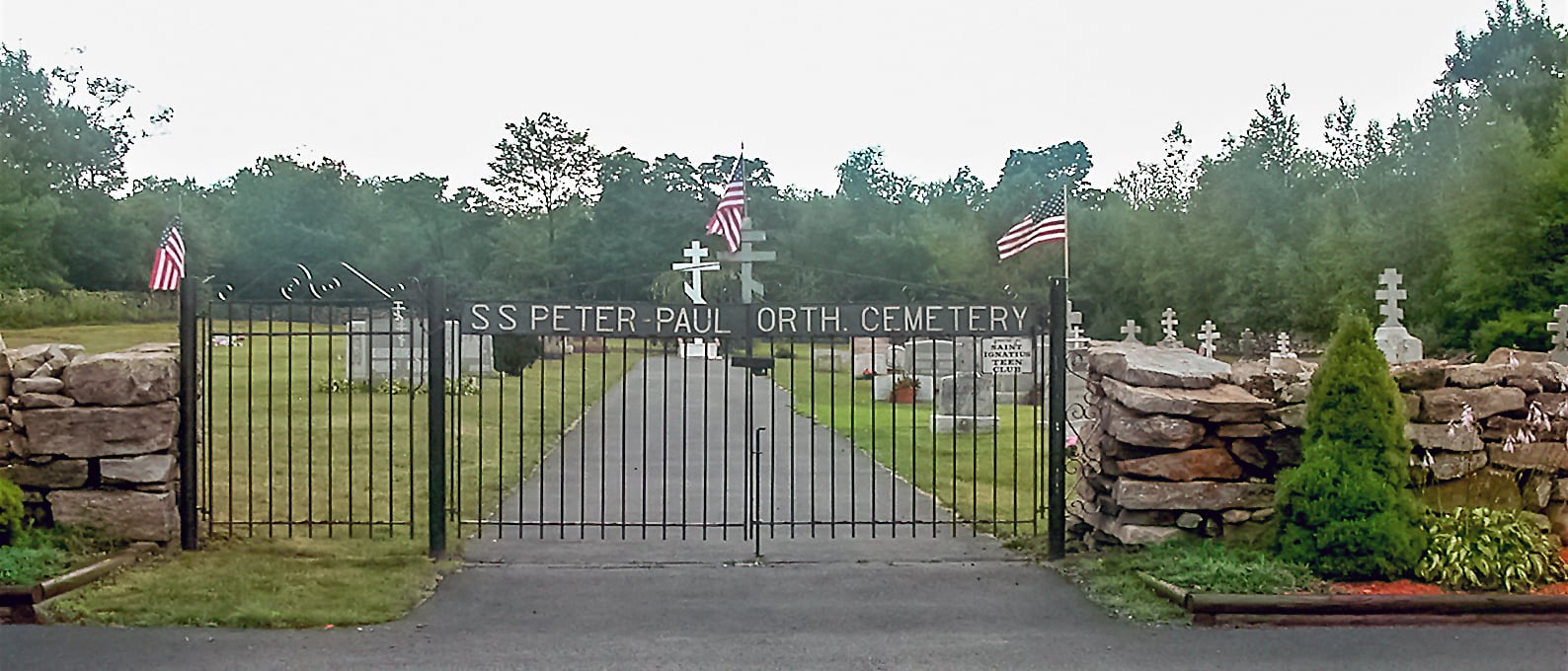
The disaster is commemorated by a Pennsylvania Historical and Museum Commission marker erected in 1994 near Smithton, at the intersection of PA Route 981 and Van Meter Road. At Olive Branch Cemetery, 71 of the Darr miners -- 49 of them unidentified -- are buried together in a common grave. The mine site itself is now reached by the Youghiogheny River Trail, part of the Great Allegheny Passage rail-trail network.
Sources
- https://en.wikipedia.org/wiki/Darr_Mine_disaster
- https://www.unionprogress.com/2023/12/17/in-december-1907-a-day-of-heart-piercing-shrieks-of-grief-and-cries-of-anguish-in-westmoreland-county/
- https://theclio.com/entry/148343
Disembodied male voices (reportedly Hungarian)Phantom pickaxe sounds undergroundSense of being followed on the trailUnexplained whispers
Given the scale of loss in 1907, it is unsurprising that the Darr Mine became one of the Pittsburgh region's enduring haunted-history sites. According to established ghost-tour operator Haunted Pittsburgh and other regional sources, the most commonly reported phenomenon is the sound of disembodied male voices near the old mine, sometimes said to be speaking Hungarian or other Eastern European languages -- a detail folklore ties to the many immigrant miners who died there. Visitors also describe the ringing or swinging sound of pickaxes seeming to rise from underground at night.
The Rails-to-Trails Conservancy has included the Darr Mine stretch of the Youghiogheny River Trail among its collected 'haunted tales from America's trails,' and the site appears in regional paranormal accounts as a place where trail users report a sense of presence or are followed by unexplained sounds. One frequently repeated anecdote describes a visitor, unaware of the site's history, who heard a voice say 'Oh God' directly into his ear while gathering firewood near the river.
These reports are presented here as folklore and visitor testimony rather than verified events. The single anonymous Shadowlands submission that circulates online is one of many retellings; the broader haunted tradition, however, is corroborated across multiple independent sources. Out of respect for the 239 men and boys who died, the site is best understood first as a place of remembrance and only secondarily as a destination for ghost lore.
Notable Entities
Spirits of the 1907 Darr Mine miners (folklore)