Self-Guided Visit
Respectful Daytime Visit
View the cemetery from Claremont Road as a place of remembrance for the Native American children who died at the school.
- Duration:
- 30 min
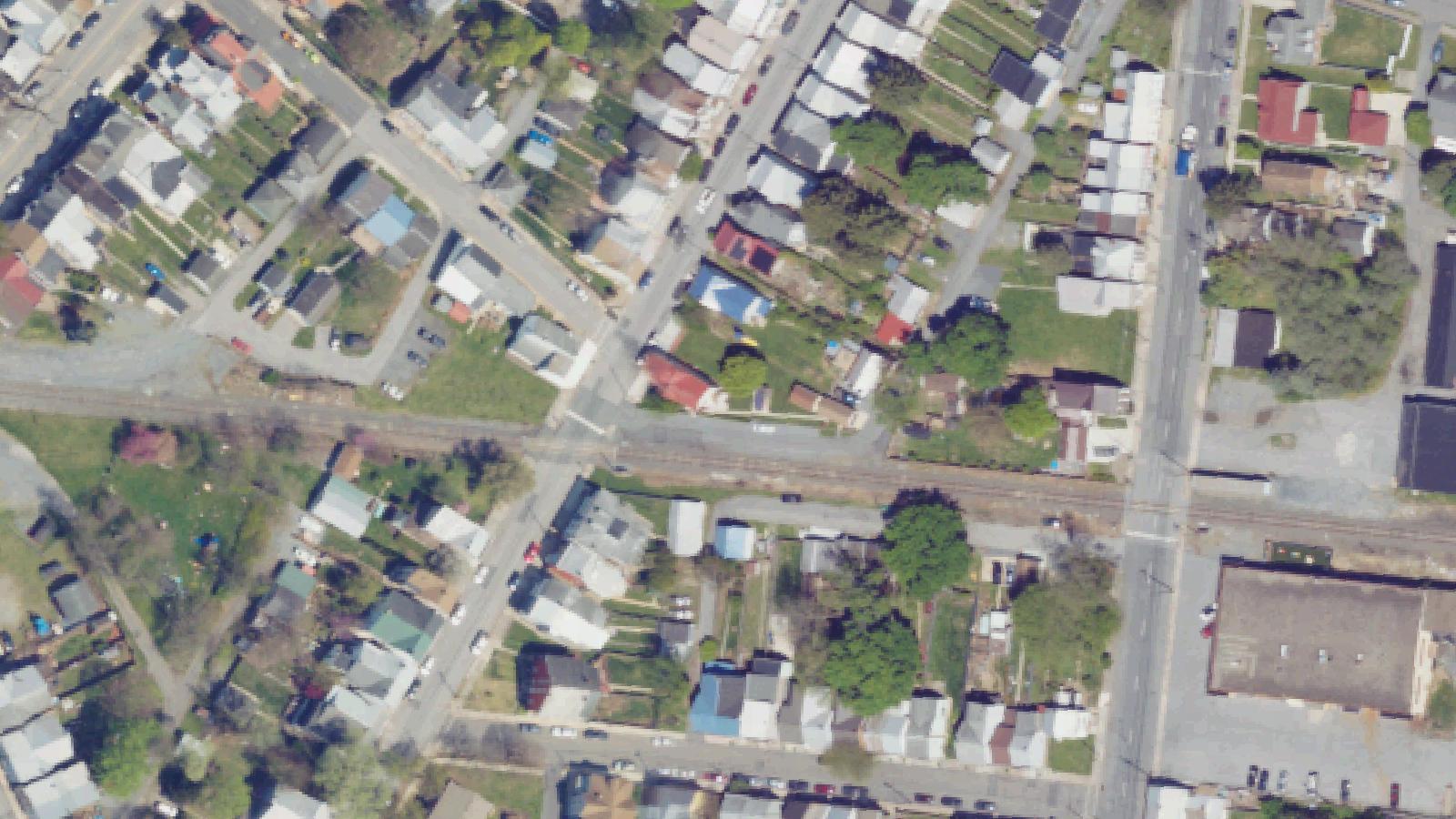 Aerial survey · USDA NAIP · public domain
A small Army-maintained burial ground on the Carlisle Barracks grounds holding Native American children who died at the Carlisle Indian Industrial School, long the subject of a now-debunked ghost legend about student Lucy Pretty Eagle.
Claremont Road, Carlisle, PA 17013
Research updated May 2026
Age
All Ages
Cost
Free
Free to view; located on active U.S. Army War College / Carlisle Barracks grounds — access subject to base security.
Access
Wheelchair OK
Level, mowed cemetery plot beside Claremont Road.
Equipment
Photos OK
Est. 1879 · Flagship federal Indian boarding school (1879-1918) and model for the national assimilation system · Burial ground of at least 180 Native American children · Subject of an ongoing Army-tribal repatriation program (Lucy Pretty Eagle repatriated July 2021)
Founded in 1879 by U.S. Army First Lieutenant Richard Henry Pratt (promoted to captain in February 1883), the Carlisle Indian Industrial School in Carlisle, Pennsylvania, was the first government-run off-reservation boarding school for Native American children and the model for dozens that followed. Its explicit purpose was forced cultural assimilation: children were stripped of their names, languages, clothing, and traditions. Over its nearly four decades of operation, the school enrolled more than 10,600 children from over 140 Native nations.
Disease, malnutrition, harsh discipline, and separation from family took a heavy toll. At least 180 children died at or shortly after their time at the school and were buried in its cemetery. The original cemetery stood elsewhere on the campus; in July 1927, building projects prompted the Army to relocate the graves to the present 0.22-acre plot along what is now Claremont Road, at the edge of the U.S. Army War College at Carlisle Barracks. The cemetery was closed to new interments, with the last burial recorded in 2005.
The school closed in 1918, and the grounds returned to military use. In recent years, the Army has worked with tribal nations on a repatriation program, disinterring and returning the remains of identified children to their families and home communities. Among those returned was Lucy Pretty Eagle (also recorded as "Take the Tail"), a Sicangu Lakota girl whose remains were disinterred and repatriated in July 2021.
The cemetery today is maintained by the U.S. Army and recognized as a site of national historical significance and ongoing mourning. The Carlisle Indian School Digital Resource Center at Dickinson College and the National Native American Boarding School Healing Coalition have documented the lives of the children buried there and advocated for treating the site with dignity rather than as folklore.
Sources
The best-known legend attached to the site is that of Lucy Pretty Eagle (also recorded as "Take the Tail"), a Sicangu Lakota girl who arrived at the school on November 14, 1883, at about age sixteen and died on March 9, 1884, after less than four months. Over the decades a ghost story grew up around her: that her spirit haunted a campus building (often identified as the Coren Apartments), slamming doors, rocking beds, turning pictures to the wall, and tying shoelaces. A more disturbing version claimed she had been buried alive, supposedly inferred from a remark by a grieving parent.
Researchers and Native community members have systematically debunked these claims. As documented by the Carlisle Indian School Digital Resource Center and reporting collected by the Cumberlink/Sentinel newspaper, the Coren building was never used as a girls' dormitory — it housed teachers — and there is no evidence supporting the live-burial story. The National Native American Boarding School Healing Coalition and Lakota descendants have publicly asked that Lucy be remembered as a child who died far from home, not as a Halloween ghost.
HauntBound includes this site as a place of remembrance and historical reckoning. The 'haunting' is best understood as folklore that obscured a real and painful history; the lasting significance is the documented loss of more than 180 children and the ongoing effort to return them home.
Notable Entities
View the cemetery from Claremont Road as a place of remembrance for the Native American children who died at the school.
Some links on this page may earn HauntBound a small commission when you book, at no extra cost to you. Our editorial picks are independent. Full disclosure
Every HauntBound history is researched from documented sources. We clearly separate verified historical fact from paranormal folklore.
Free Guide
11 verified stops, rated for families, mapped in order. Free.
One email to confirm, then the guide link. Unsubscribe anytime.
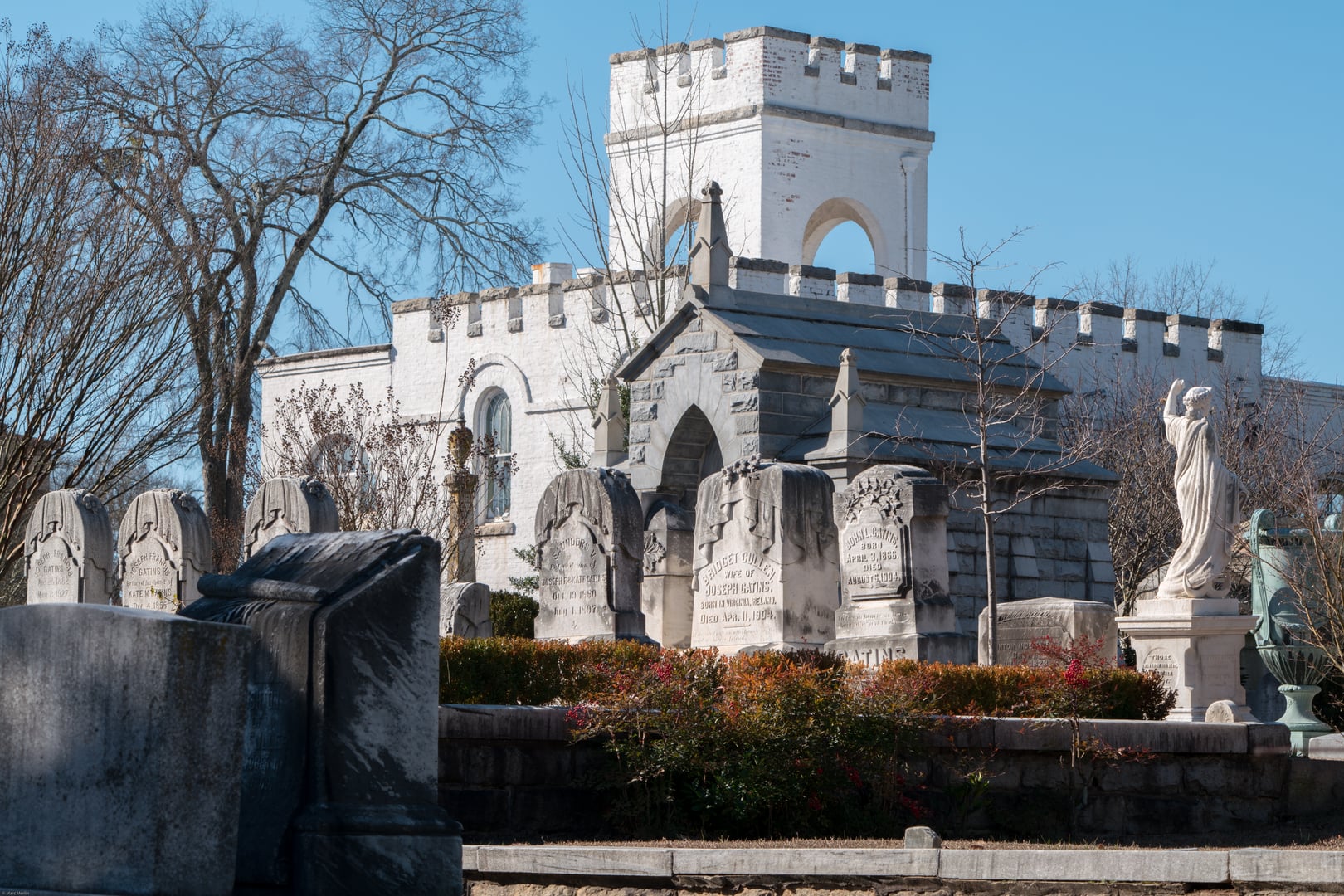
Atlanta, GA
Historic Oakland Cemetery was chartered in 1850 as the six-acre 'Atlanta Cemetery,' renamed Oakland in 1872, and expanded to 48 acres. Approximately 70,000 people are interred, including roughly 6,900 Confederate soldiers (3,000 unidentified), four Confederate generals, six Georgia governors, 27 Atlanta mayors, Margaret Mitchell, golfer Bobby Jones, and Maynard Jackson, Atlanta's first African American mayor. The cemetery was listed on the National Register of Historic Places on April 28, 1976.
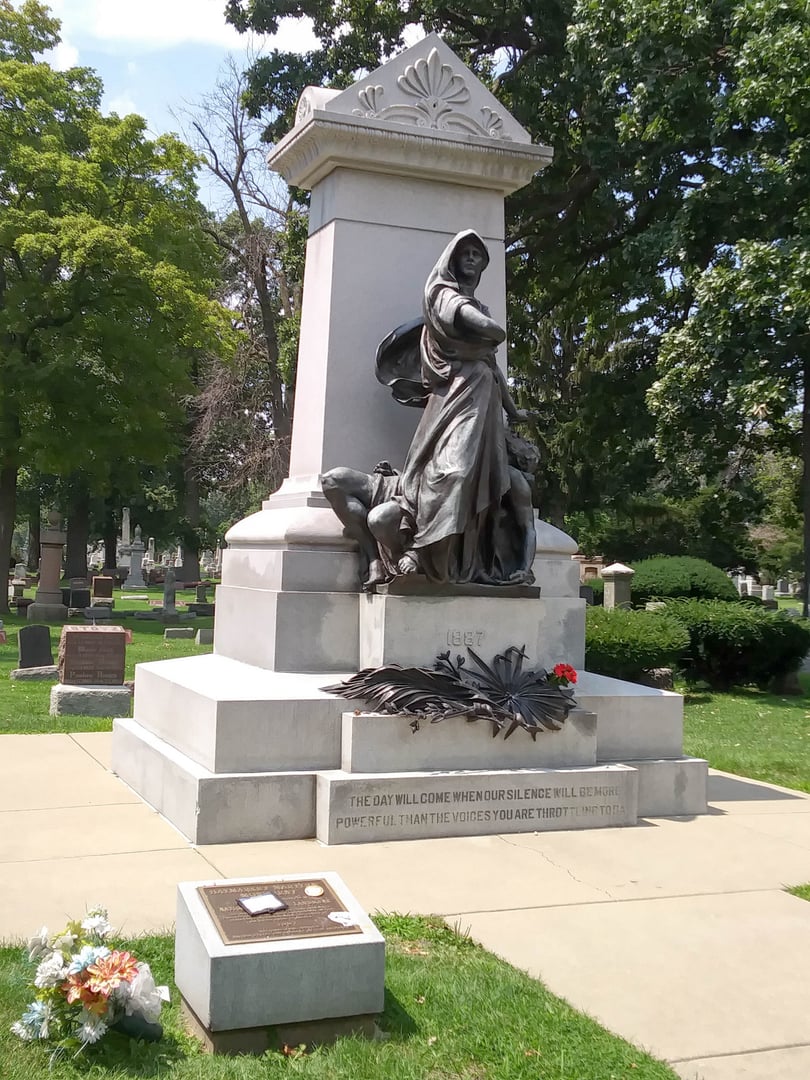
Forest Park, IL
Forest Home Cemetery in Forest Park, Illinois, grew from two adjacent cemeteries — German Waldheim (established 1873) and Forest Home (1876) — which merged in February 1969. The 220-acre site was chosen as a non-denominational burial ground, a policy that made it the only Chicago-area cemetery willing to accept the bodies of the Haymarket defendants in 1887.
 Aerial survey · USDA NAIP
Elton, PA
Snavely Cemetery, locally known as 'Becky's Grave,' sits on Mount Airy Drive near Elton in Adams Township, Cambria County. It is the center of a regional legend about a young woman supposedly hanged as a witch. Local researchers have documented that the real 'Becky' was Rebecca Wertz Kring (1807-1892), who died with her husband Samuel in a house fire -- and who is actually buried in a different cemetery several miles away.