Est. 1885 · Women's Higher Education · Early College Dormitory · 1901 Tragedy · Historic Academic Institution
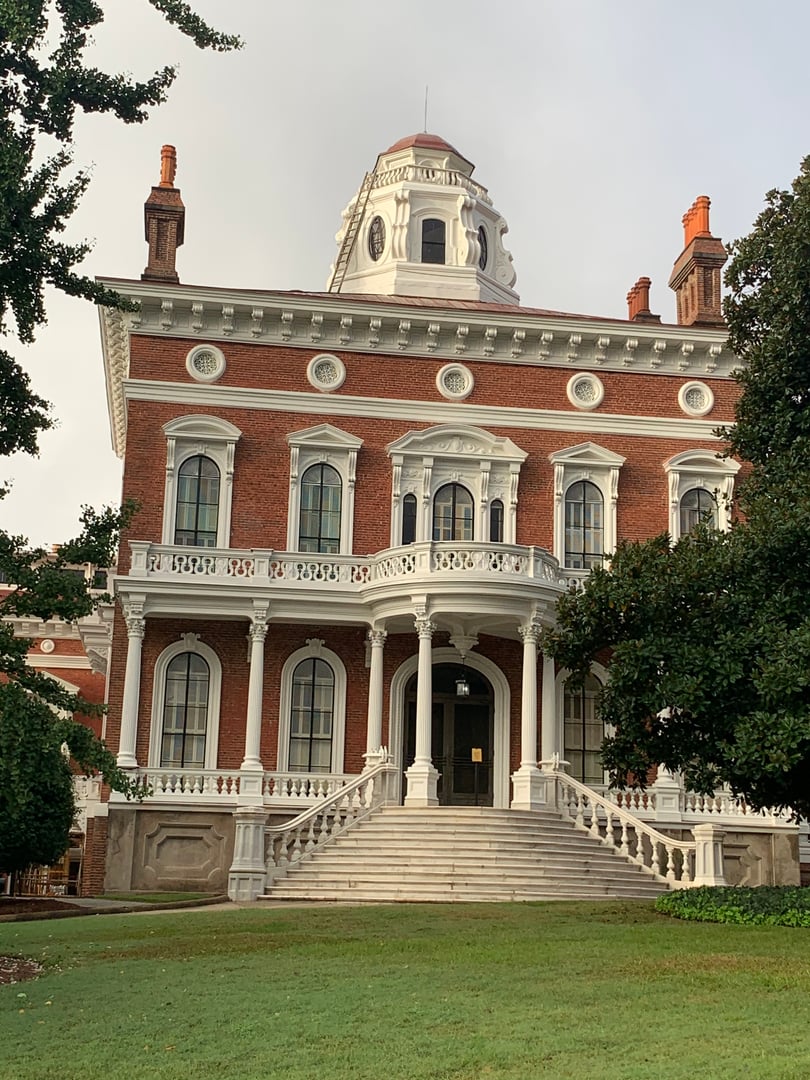
Bryn Mawr College, founded in 1885, established itself as one of the earliest women's colleges emphasizing rigorous academic curricula. Merion Hall, constructed at the college's founding, served as the primary dormitory facility and remains the oldest building on campus. The five-story brick structure housed the college's earliest female student populations.
On an unspecified date in 1901, a third-year student identified as Lillian Vickers (Class of 1903) died from severe burns. Institutional records maintained by then-president M. Carey Thomas document the incident, though multiple conflicting accounts exist regarding exact circumstances. One version indicates she succumbed to paranoid delusions about contracting leprosy and immersed herself in kerosene. Another account references accidental ignition from a dropped match on bathroom flooring. A third version describes her deliberate self-immolation after soaking her nightgown in kerosene and locking herself in a bathroom. A fourth account claims she jumped from a third-floor window after accidentally self-ignition.
The competing narratives—documented in period letters—suggest genuine historical uncertainty about causation, mental state, and agency. The ambiguity has contributed to the haunting narrative's persistence.
Sources
- https://www.brynmawr.edu/bulletin/haunting
ApparitionDoor autonomyDisembodied voiceLights flickering
The Lillian Vickers haunting represents a classic crisis apparition anchored to traumatic death location. Paranormal manifestations in Merion Hall center on the third floor, where Vickers died. Phenomena include autonomous door operation—doors opening and closing without human agency. Residents report mysterious female vocalization characterized as 'humming,' suggesting emotional imprinting or residual auditory loop. Electrical manipulation has been documented, with all lights in affected areas extinguishing simultaneously, plunging the space into darkness. This coordinated electrical disruptive behavior suggests either poltergeist activity or intelligent entity agency.
The manifestations align with crisis apparition patterns wherein traumatic death—particularly involving self-harm, fire, and psychological distress—generates lingering paranormal presence. The specificity of location (third floor), behavior type (auditory and kinetic phenomena), and temporal clustering (documented reports over decades) suggest genuine residual haunting or entity fixation rather than folklore fabrication.
Notable Entities
Lillian Vickers (1878-1901)