Est. 1926 · University of Oregon Athletic History · Early 20th-Century Collegiate Architecture · Northwest Folklore Archives
McArthur Court, known to generations of University of Oregon students as Mac Court, opened in January 1926 and is among the oldest collegiate basketball arenas still standing in the United States. It was named for Clifton McArthur, a former student body president and university regent. For more than eight decades it served as the home court for Oregon Ducks basketball, hosting NCAA tournament play and earning a reputation as one of the loudest and most cramped arenas in college sports before the team moved to Matthew Knight Arena in 2011.
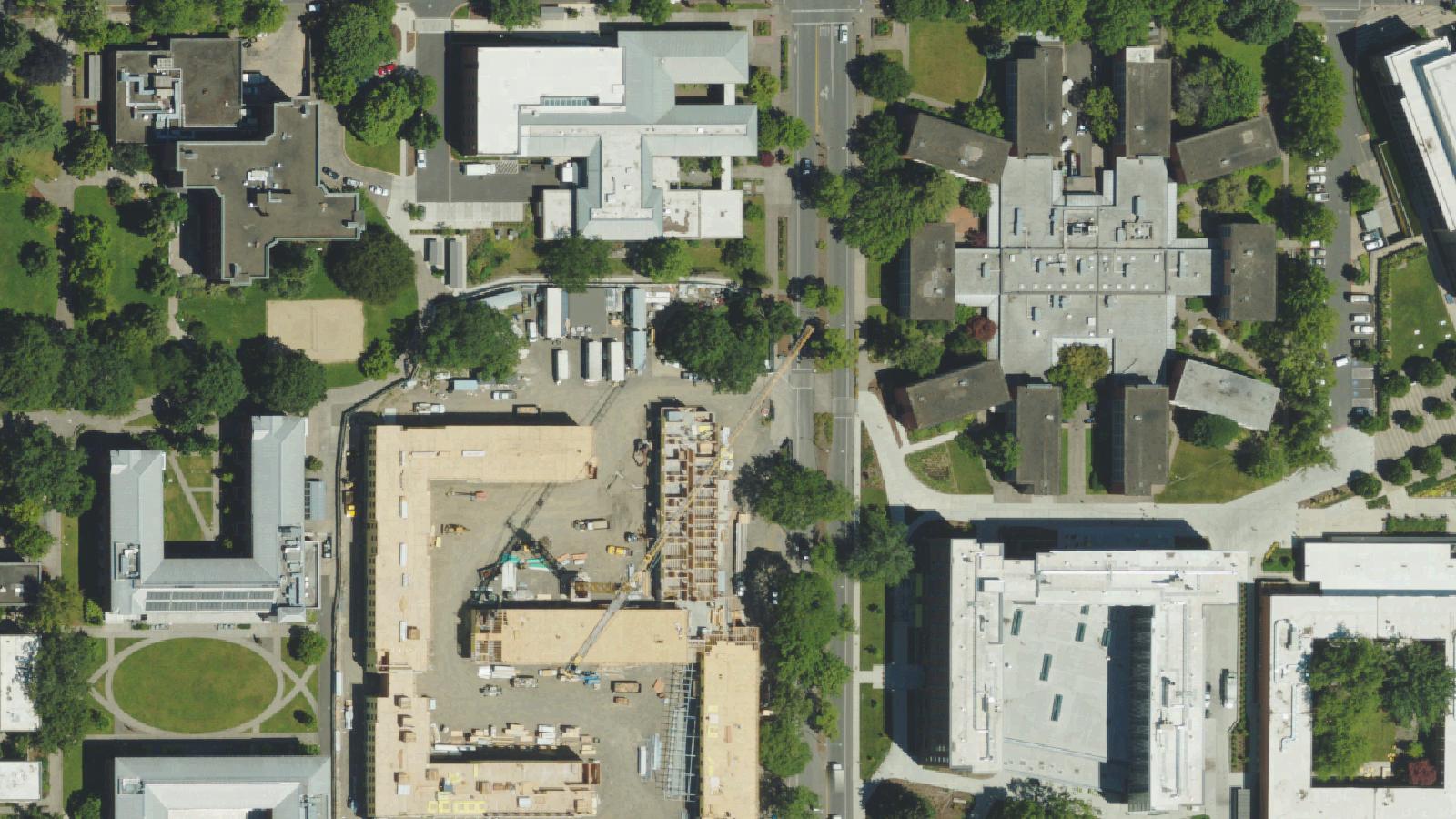
The building sits on the south edge of the University of Oregon campus, directly across University Street from the Eugene Pioneer Cemetery. That cemetery, established in the 1870s, is the oldest in Eugene and holds the graves of many of the area's founding settlers. The proximity of an active arena to a historic burying ground has shaped the campus folklore associated with the site.
The folklore is documented rather than purely anecdotal. The University of Oregon's Randall V. Mills Memorial Archives of Northwest Folklore, named for the late professor who founded the collection, holds student-collected accounts tied to Mac Court. The university's own communications office has written about these archived ghost stories in connection with the building and the cemetery across the street, which keeps the lore in the realm of recorded campus tradition rather than commercial attraction.
Sources
- https://news.uoregon.edu/content/ghost-stories-and-folklore-mac-court-and-pioneer-cemetery
- https://en.wikipedia.org/wiki/McArthur_Court
- https://www.dailyemerald.com/news/ghost-tales-of-uo-s-past/article_5f249474-780b-11ee-969f-3f229b1cf9ec.html
Unexplained grunting soundsWind-like sounds with no breezeCampus folklore
The legends attached to McArthur Court come largely from the University of Oregon's own folklore archives rather than from ghost-tour marketing. According to a university communications piece drawing on the Randall V. Mills Memorial Archives of Northwest Folklore, athletes and staff who spent time in the building's basement reported hearing unexplained sounds while alone there. The most repeated account describes a low grunting noise and a wind-like sound moving through the basement passages, even when no air was moving and no draft could be felt.
The folklore connects these basement reports to the building's position across the street from the Eugene Pioneer Cemetery, the oldest burial ground in the city. Student collectors who contributed to the archive framed the arena and the cemetery as a paired location in campus tradition, with the cemetery supplying the explanatory backdrop for sounds heard inside the arena.
Because the accounts survive as catalogued student folklore rather than as investigated incidents, they are best understood as a documented piece of University of Oregon campus tradition. No organized investigation or paranormal program operates at the site, and the building's primary identity remains that of a historic athletic venue.