Est. 1914 · Romanesque Revival Architecture · National Register of Historic Places · Mechanical 'Floating' Ball-Bearing Dance Floor · Portland Historic Landmark
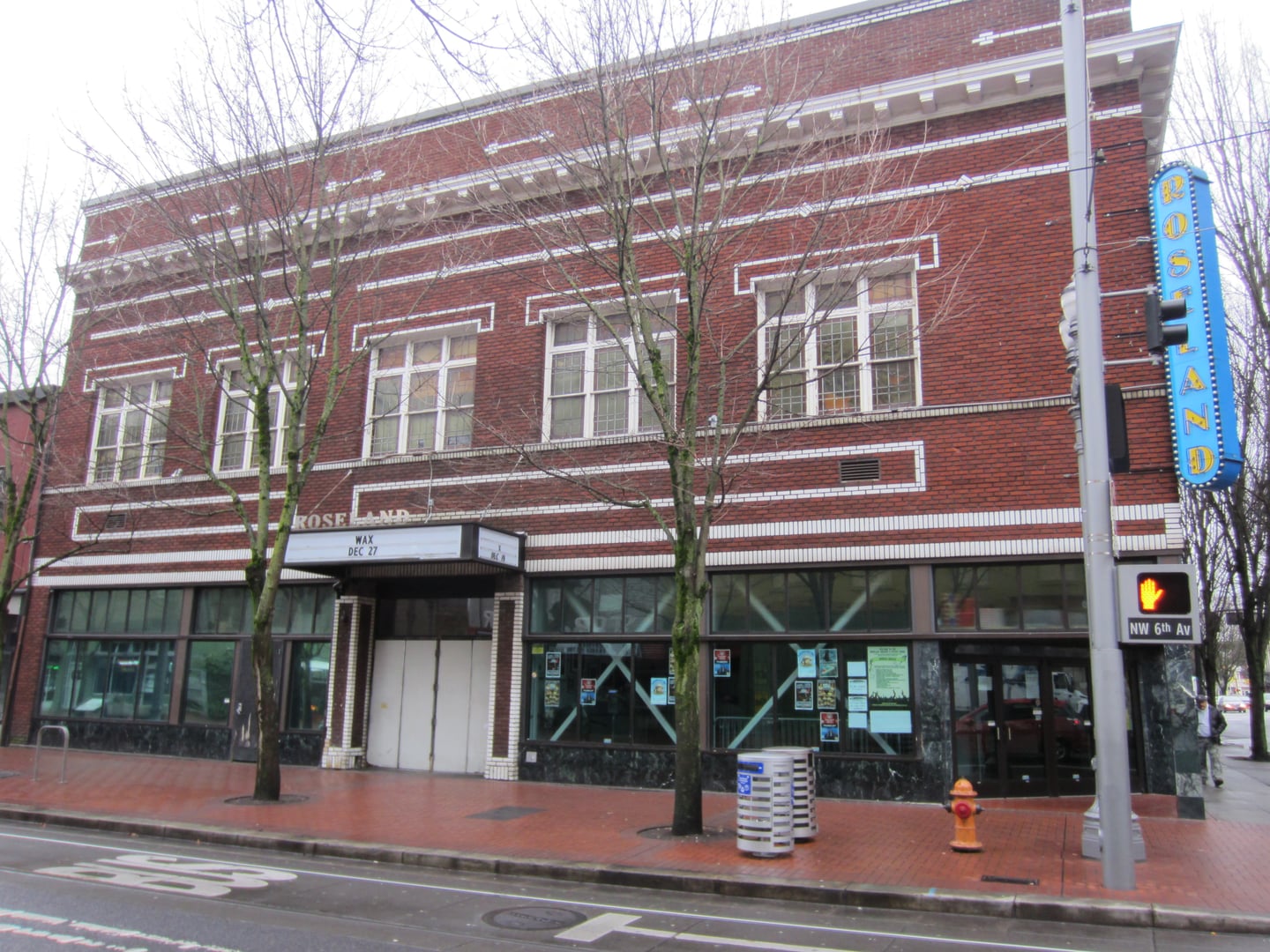
The Crystal Ballroom was constructed between 1913 and 1914 and opened in early 1914 as Ringler's Cotillion Hall, named for its proprietor Montrose Ringler. Portland architect Robert F. Tegan designed the building in the Romanesque Revival style at 1332 W Burnside Street. The signature feature — and the building's lasting claim to fame — is the third-floor 'floating' dance floor, a mechanical assembly set on rocking ball-bearings that flexes and bounces in response to the weight and motion of dancers above. The mechanism remains operational today and is one of only a handful of such floors still in use in the United States.
The building hosted formal cotillions and dance revivals through the 1910s, 1920s, and Depression years. After the formal dance era waned, the venue transitioned through the 1960s into hosting pop, rock, folk, blues, and jazz acts. The Crystal hosted notable performances across the second half of the twentieth century but suffered periods of decline and closure.
The building was added to the U.S. National Register of Historic Places on March 9, 1979, and was designated a Portland Historic Landmark. In 1997 McMenamins completed a restoration of the property, restoring the ballroom and reopening it as a concert venue. McMenamins later constructed the adjacent Crystal Hotel — a 51-room boutique hotel — with each room named for songs or performances from the Crystal Ballroom's catalog.
The modern Crystal Ballroom features high ceilings, a balcony, chandeliers, murals, and arched windows and accommodates up to 1,500 standing concert-goers or 850 seated attendees on its third floor. The smaller Lola's Room — on a lower floor — hosts intimate shows. The building remains in active use under McMenamins ownership.
Sources
- https://en.wikipedia.org/wiki/Crystal_Ballroom_(Portland,_Oregon)
- https://www.mcmenamins.com/crystal-ballroom
- https://portlandghosts.com/the-crystal-ballroom/
- https://ghostcitytours.com/portland-oregon/haunted-portland-oregon/crystal-ballroom-haunted/
- https://ghost.hauntedhouses.com/oregon_portland_the_crystal_ballroom
Apparitions in 1920s dressPhantom dancers on the empty floorSound of leather soles on the dance floorDisembodied conversational voicesSense of crowd in empty rooms
Per Ghost City Tours and Portland Ghosts, the Crystal Ballroom's reported paranormal activity centers on apparitions of dancers in period attire — typically described in 1920s clothing, with women's dresses, beaded details, and bobbed hairstyles. One cleaning-staff account widely circulated by Portland Ghosts describes a couple seen dancing on the empty floor after closing, vanishing when approached.
Ghost City Tours circulates a detailed narrative attributing the haunting to a dancer said to have died on the dance floor during a 1926 marathon competition. No contemporaneous record of such a death is known, and the account appears only in ghost-tour material, so it is best read as legend rather than history.
Other recurring reports include the sound of leather soles gliding across the empty dance floor late at night, disembodied conversational voices, and the impression of the ballroom being 'full of people' on otherwise vacant evenings. Local attributions frame the activity as a residual echo of the venue's many decades as Portland's preeminent dance hall — performers, dancers, and couples whose collective experience of the space, in the lore, has imprinted on the building itself.
Notable Entities
Female dancer in 1920s beaded dressPhantom couple dancing after closing