Drive-By
Bandage Man Legend Drive
Drive the short approach road between Highway 101 and Cannon Beach where the Bandage Man legend is set, a staple of Oregon coast folklore.
- Duration:
- 15 min
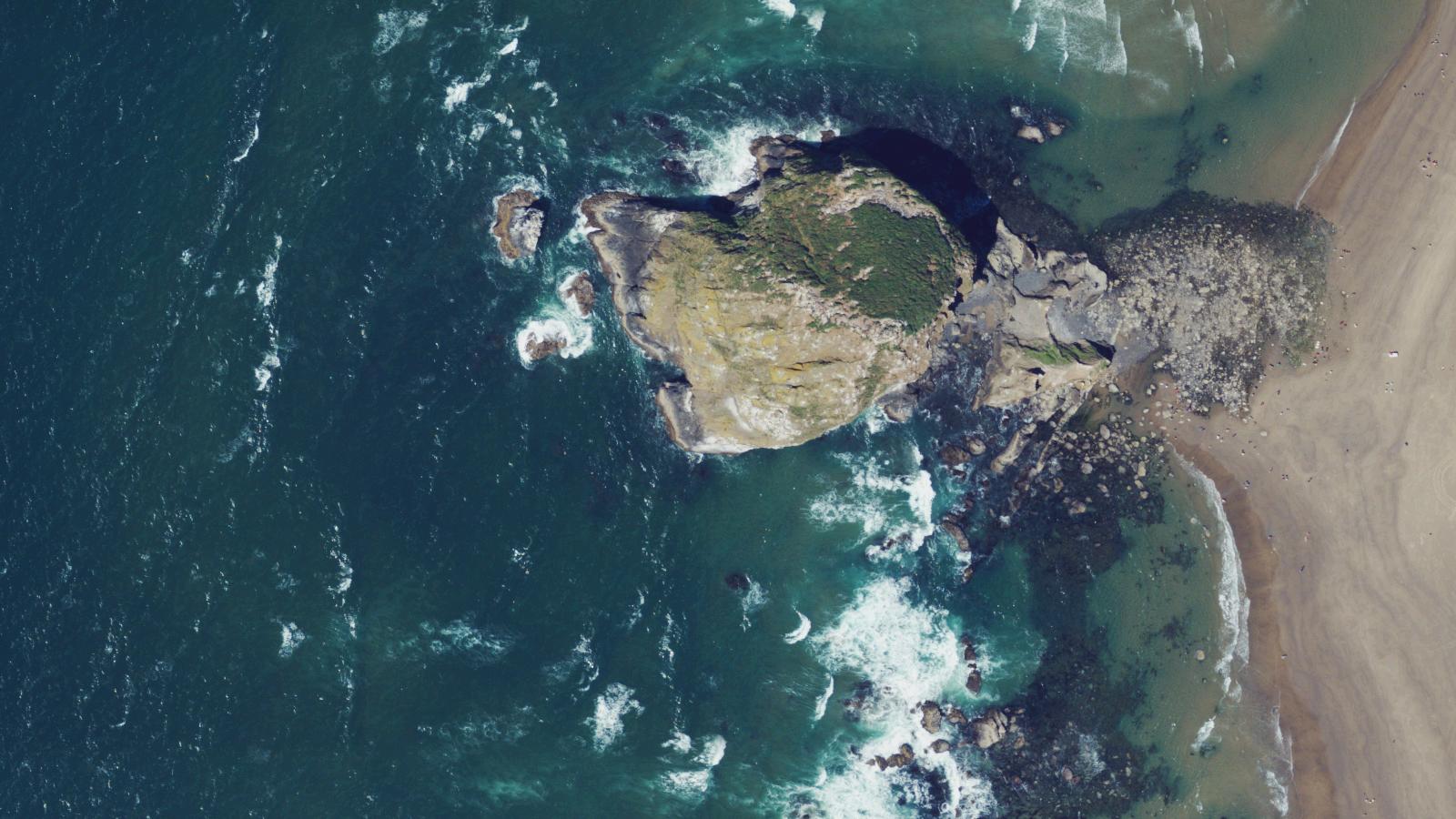 Aerial survey · USDA NAIP · public domain
A stretch of the old approach road from Highway 101 to Cannon Beach, Oregon, is the setting of the 'Bandage Man' legend — a bandage-wrapped phantom said since the 1950s to leap into open trucks and convertibles before vanishing.
Cannon Beach approach road off US Highway 101, Cannon Beach, OR 97110
Research updated September 2026
Age
All Ages
Cost
Free
Free public roadway; no admission.
Access
Accessibility not stated
Public coastal highway and approach road; no formal pull-off at the legend site.
Equipment
Photos OK
One of the best-known roadside urban legends of the Oregon coast · Tied to the historic logging and sawmill economy of Clatsop County · Associated with older alignments of U.S. Highway 101 before realignment · Persistent in Pacific Northwest folklore collections and ghost-tour narratives
Cannon Beach is a small resort town on the northern Oregon coast in Clatsop County, reached from U.S. Highway 101 by a short approach road. The surrounding area was historically logging and mill country, and the coast highway itself has been realigned and improved several times over the twentieth century. The legend of the Bandage Man is attached to this transitional landscape rather than to any single building.
Accounts collected by Oregon folklore and ghost-tour sources, including Portland Ghosts, place the origin of the story in the 1930s logging era and its first widespread sightings in the 1950s and 1960s. The most commonly repeated origin holds that a logger was gravely injured at a nearby sawmill, wrapped head-to-toe in bandages, and loaded into an ambulance that was then lost — in some versions to a landslide on the old, winding Highway 101 alignment. When rescuers reached the wreck, the bandaged man's body was gone.
Because the legend is folklore, its details are inconsistent across tellings, and no contemporaneous news record confirms a specific named victim. What is documented is the legend's persistence: it appears in multiple Oregon-coast folklore write-ups, regional 'haunted Oregon' coverage, and ghost-tour narratives, making it one of the better-known roadside legends of the Pacific Northwest. This listing treats the Bandage Man explicitly as a regional legend rather than as a verified event, and notes that the precise haunt site corresponds to the older approach-road alignment near Cannon Beach.
Sources
According to Oregon folklore sources such as Portland Ghosts and regional 'strange Oregon' write-ups, the Bandage Man appears most often to drivers on the short, wooded approach road between Highway 101 and Cannon Beach, especially at night. He is described as a large, almost zombie-like figure swathed in dirty bandages, announced by an overpowering smell of rotting flesh. The signature element of the legend is that he climbs or leaps into open pickup beds and convertibles as if hitching a ride, then disappears — occasionally leaving a torn, foul-smelling strip of bandage behind as a 'calling card.'
The most repeated origin story identifies him as a logger killed or dismembered in a nearby sawmill accident, his bandage-wrapped body lost when an ambulance crashed on the old highway. Competing versions, noted in the source material, recast him as a criminal who was shot repeatedly by police and escaped from custody while still bandaged, fleeing into the coastal woods. Some tellings extend his range far beyond the approach road, claiming sightings along Highway 101 from Lincoln City up to Seaside. The more lurid embellishments — that he eats dogs or has killed people — are part of the folklore and are presented here as legend, not as documented events.
No credible record confirms any actual deaths attributable to the Bandage Man, and the inconsistency of the origin stories is itself characteristic of an evolving urban legend. The enduring appeal of the tale lies in its specific, sensory hook — the smell, the bandages, the open-vehicle ambush — which has kept it alive in Pacific Northwest folklore for more than half a century.
Notable Entities
Drive the short approach road between Highway 101 and Cannon Beach where the Bandage Man legend is set, a staple of Oregon coast folklore.
Some links on this page may earn HauntBound a small commission when you book, at no extra cost to you. Our editorial picks are independent. Full disclosure
Every HauntBound history is researched from documented sources. We clearly separate verified historical fact from paranormal folklore.
Free Guide
11 verified stops, rated for families, mapped in order. Free.
One email to confirm, then the guide link. Unsubscribe anytime.
 Aerial survey · USDA NAIP
Bono, AR
Bono Bridge was a railroad-overpass bridge in the town of Bono in Craighead County, Arkansas, near Jonesboro. Local reporting describes the bridge as dating to the 1800s, with its wooden elements torn down in the early 2000s and the structure ultimately demolished around 2011. The site remains a well-known location in regional ghost lore.
 Aerial survey · USDA NAIP
Fayetteville, AR
Tilly Willy Bridge is a low concrete crossing on a secluded dirt road south of Fayetteville in Washington County, Arkansas. The bridge inventory contains conflicting entries at the same coordinate: a circa-1928 low-water culvert entry and a 1976 entry. The name traces to early settler Matilda Wilson Ford, whose name was locally shortened to 'Tilly Willy.' The low-water culvert inventory reports a replacement in 2011.
Anniston, AL
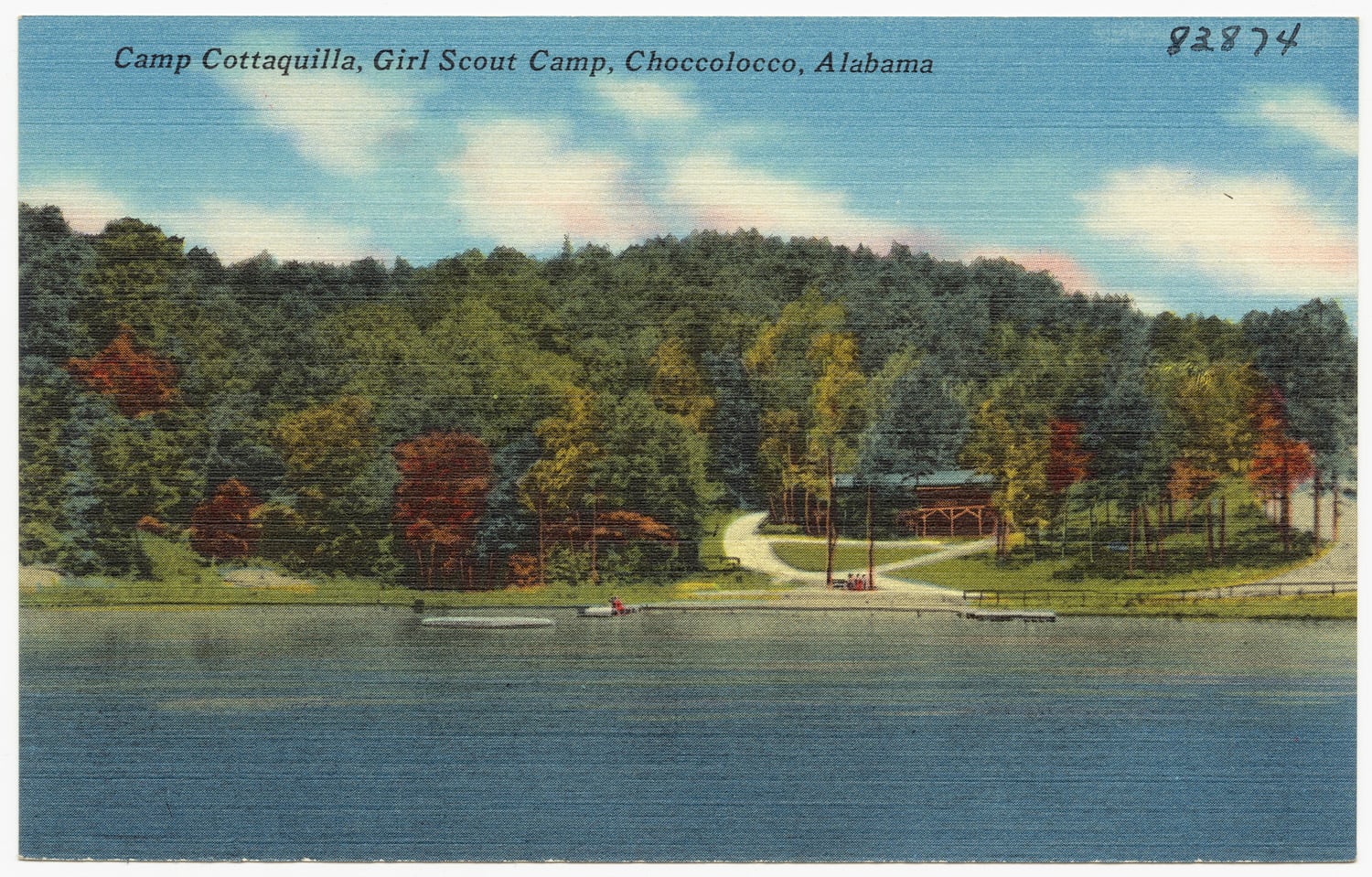
Camp Cottaquilla was established in 1947 as a permanent residential facility for Girl Scouts of North-Central Alabama. The 1600-acre facility occupies 300 acres in the Whites Gap section of Calhoun County, chosen for its scenic beauty, natural streams, and hardwood forests. The camp continues active operation as a premier Girl Scout camping destination.