One of the most widely documented urban legends in Northwest Arkansas · Subject of academic folklore collection (USC Digital Folklore Archives)
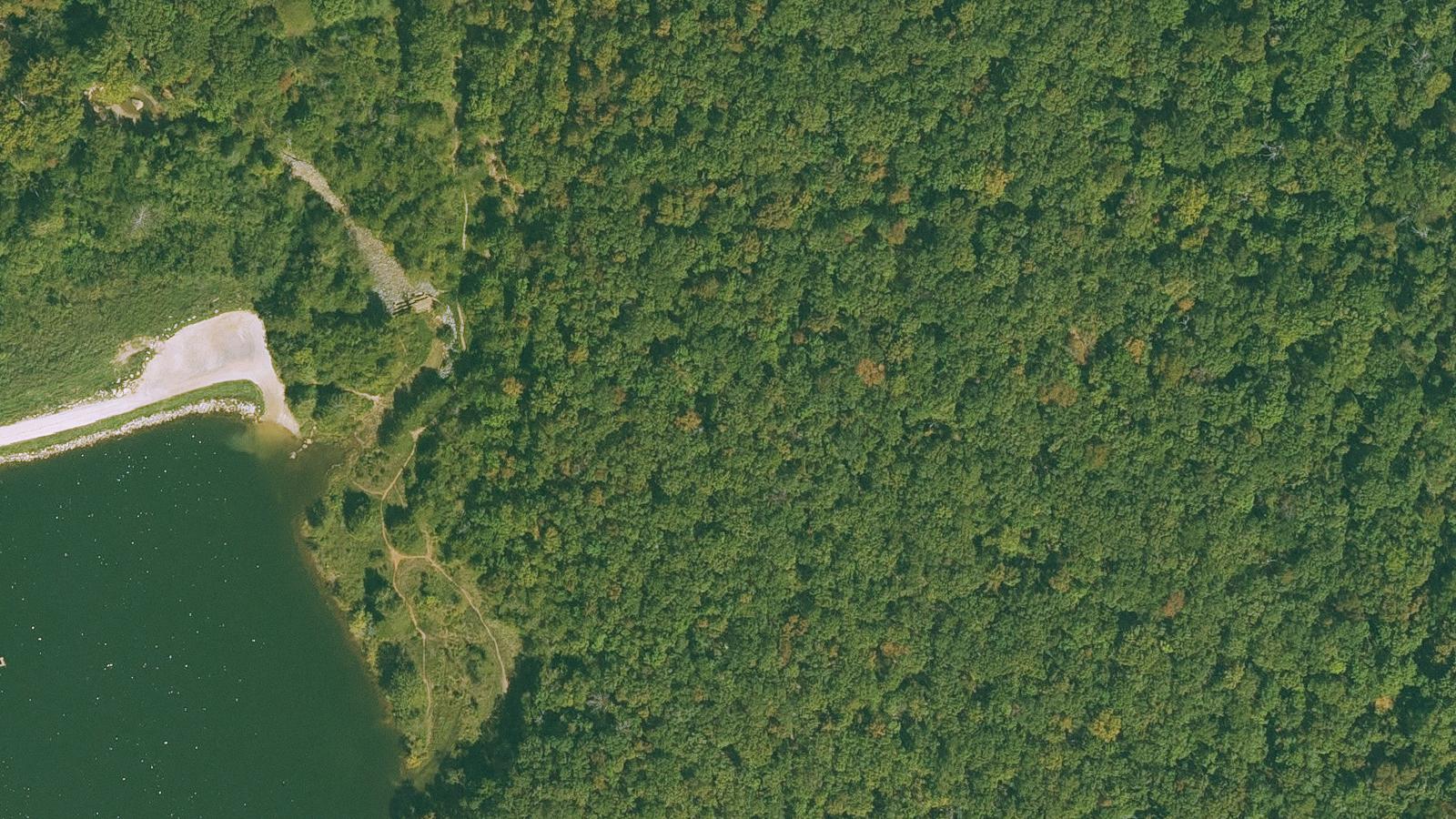
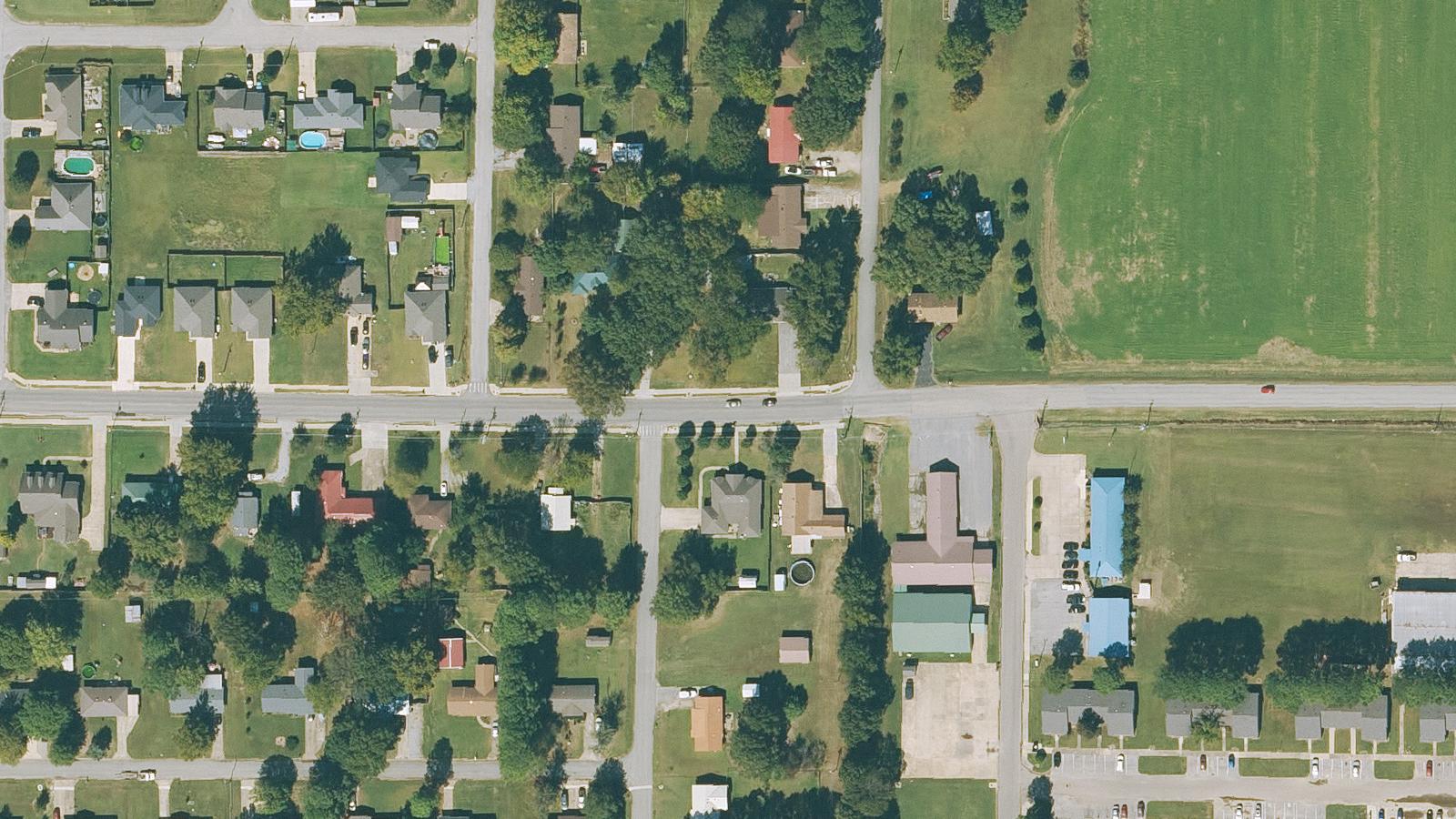
Tilly Willy Bridge sits on a rural road crossing the West Fork of the White River south of Fayetteville, Arkansas, in Washington County. According to local accounts compiled by regional outlets, the crossing's name derives from an early area settler, Matilda Wilson Ford, whose name was colloquially smoothed over generations from 'Tildy Wilson' into 'Tilly Willy.'
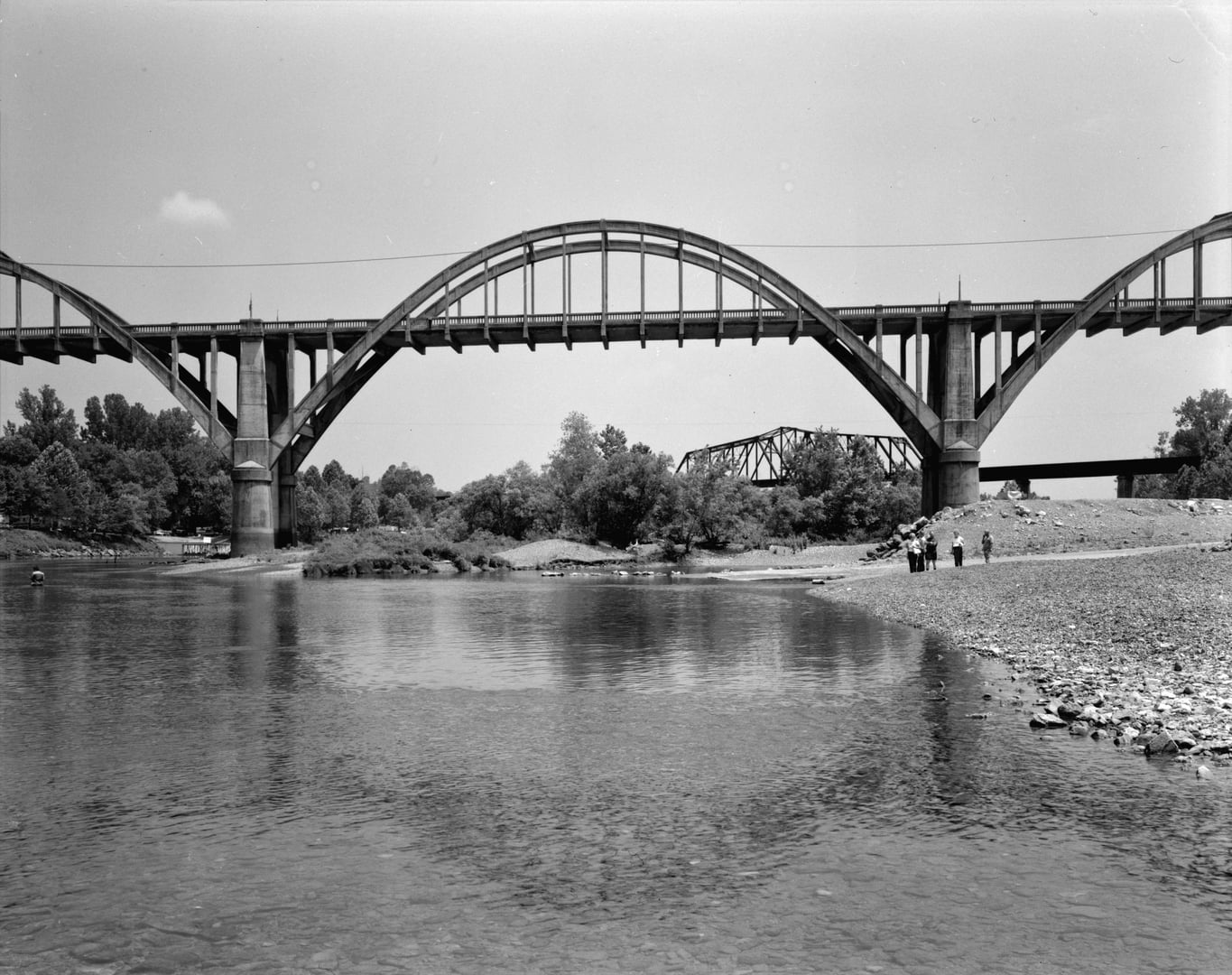
The crossing has long been associated with flood control. Reporting on the site notes that the structure was originally intended less as a conventional bridge and more as a low water-control feature, reflecting the floodplain character of the West Fork valley. For much of the 20th century it remained a narrow, isolated rural crossing reached by dirt roads.
The cited low-water culvert inventory entry reports replacement in 2011; a second same-coordinate entry is dated 1976, so the exact history of the current crossing is unclear. Despite the physical replacement, the location's folklore persists, with locals describing the legend as attached to the land and water rather than to any single span.
Sources
- https://www.onlyinyourstate.com/experiences/arkansas/legend-of-haunted-bridge-ar
- https://folklore.usc.edu/the-haunted-tilly-willy-bridge-in-arkansas/
- https://folklore.usc.edu/the-legend-of-the-tilly-willy-bridge/
- https://kkyr.com/warning-dont-stop-on-this-haunted-bridge-in-arkansas/
Phantom car crossing the bridgeApparition of a woman in a white dress in nearby fieldsSightings of a green, goblin-like creature
Tilly Willy Bridge is the subject of one of Northwest Arkansas's most persistent ghost legends. The most common version, often placed in the 1970s, holds that a woman drove off the narrow bridge with her children, and that all of them died. Since then, her phantom car has reportedly been seen crossing the bridge, and her figure is described twirling in a white dress in a nearby field late at night.
Folklorists have noted that the legend is older and more fluid than the 1970s framing suggests. Material in the USC Digital Folklore Archives and regional reporting indicate that versions of the haunting can be traced back to at least the 1930s, with the specific details updating roughly every decade to fit the storytellers' era. This evolving quality is characteristic of an active piece of regional folklore rather than a record of a single documented event, and no specific named victim or verified incident underlies the core story.
Additional embellishments include reported sightings of a green, goblin-like creature near the crossing. As with the drowning story, these claims are folklore reported by visitors and local storytellers, not corroborated events. The legend's persistence even after the physical replacement of the bridge underscores its status as place-based oral tradition.
Notable Entities
The woman in the white dress