Self-Guided Visit
Self-Guided Cemetery Walk
Explore Woodlawn Cemetery's 42 mausoleums, Victorian-era monuments, and the graves of Toledo's founding families. The cemetery is open to the public during daylight hours.
- Duration:
- 1 hr
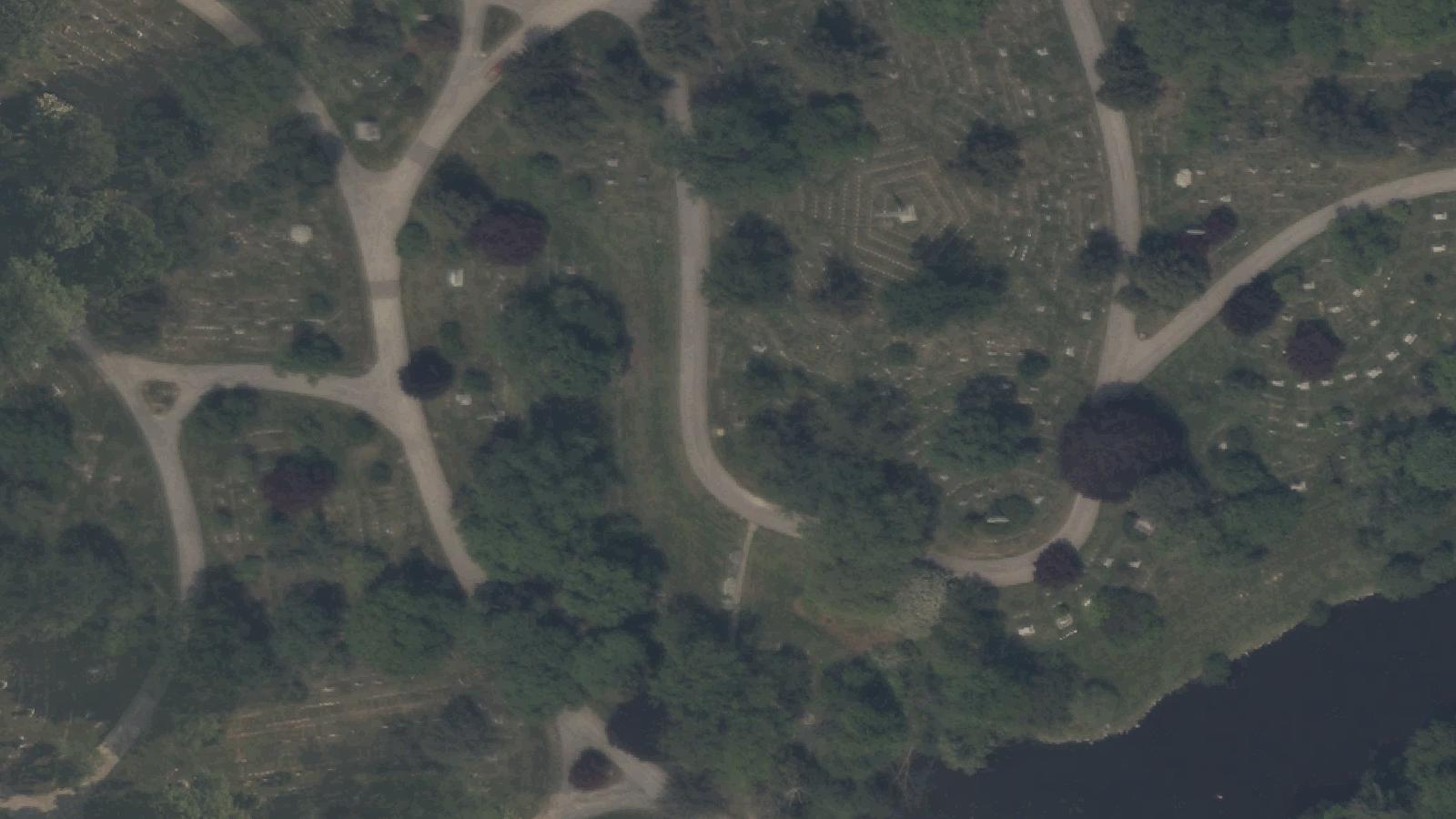 Aerial survey · USDA NAIP · public domain
Toledo's 1876 National Historic Site cemetery — 42 mausoleums, the city's founding families, and a woman in white searching near the gates.
Woodlawn Ave, Toledo, OH 43606
Research updated August 2026
Age
All Ages
Cost
Free
Open to the public at no cost during cemetery hours
Access
Wheelchair OK
Largely flat cemetery grounds; paved roads throughout
Equipment
Photos OK
Est. 1876 · Founded 1876 in the rural-cemetery tradition · Listed as a National Historic Site in 1998 · Final resting place of Toledo's founding industrial and civic families · 42 mausoleums spanning Victorian through early 20th century
Woodlawn Cemetery was established in 1876 in what was then the northern outskirts of Toledo, Ohio, laid out in the rural-cemetery tradition popular in American cities following the success of Mount Auburn Cemetery in Cambridge, Massachusetts. The design prioritized naturalistic landscape elements — curving drives, tree lines, and grouped monuments — over the strict grid patterns of earlier urban cemeteries.
The cemetery grew alongside Toledo's 19th-century industrial expansion, and its burial population reflects that history. Founders and leading figures of the glass industry, the shipping trade on the Maumee River, and the city's early civic institutions are interred here. The 42 mausoleums range from modest Victorian structures to substantial Neoclassical family tombs representing significant capital investment by Toledo's Gilded Age elite.
Woodlawn was listed as a National Historic Site in 1998, recognizing both its landscape design and its significance as a record of Toledo's social and economic history. Wikipedia confirms the 1876 founding date and the National Historic Site designation. It remains an active cemetery with ongoing interments alongside its historic sections.
Toledo City Paper's survey of the city's most haunted locations included Woodlawn Cemetery, noting its reputation among local ghost investigators.
Sources
The most consistently reported phenomenon at Woodlawn Cemetery is the figure of a woman in white near the main entrance gates. Accounts collected by Our Haunted Travels describe the figure as appearing in the late afternoon or at dusk, moving along the fence line near the gates in a pattern that witnesses characterize as searching — as though looking for a person or a specific burial location — before vanishing.
No historical figure has been reliably attached to the white lady legend in documented sources reviewed here. The motif is a common one in American cemetery folklore, and its presence at Woodlawn follows the pattern of the rural-cemetery tradition: the aesthetics of the grounds, designed to evoke contemplation and the natural passage of time, lend themselves to this kind of narrative overlay.
Shadowy figures among the tombstones in the historic sections of the cemetery represent the second category of reports, typically associated with the clustered mausoleum area and the denser groupings of 19th-century monuments. Toledo City Paper documented Woodlawn's inclusion in local ghost investigation circuits.
Notable Entities
Explore Woodlawn Cemetery's 42 mausoleums, Victorian-era monuments, and the graves of Toledo's founding families. The cemetery is open to the public during daylight hours.
Some links on this page may earn HauntBound a small commission when you book, at no extra cost to you. Our editorial picks are independent. Full disclosure
Every HauntBound history is researched from documented sources. We clearly separate verified historical fact from paranormal folklore.
Free Guide
11 verified stops, rated for families, mapped in order. Free.
One email to confirm, then the guide link. Unsubscribe anytime.
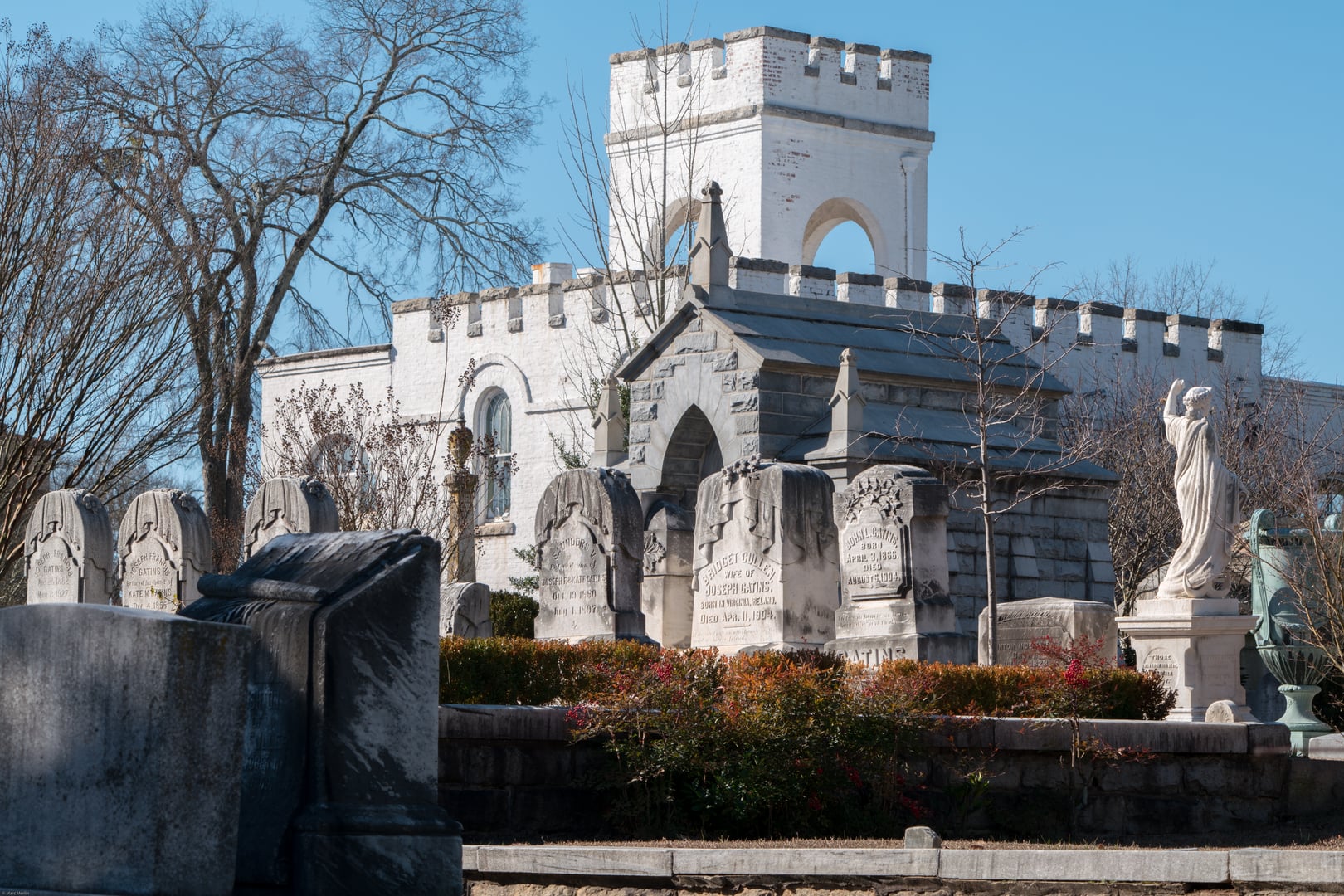
Atlanta, GA
Historic Oakland Cemetery was chartered in 1850 as the six-acre 'Atlanta Cemetery,' renamed Oakland in 1872, and expanded to 48 acres. Approximately 70,000 people are interred, including roughly 6,900 Confederate soldiers (3,000 unidentified), four Confederate generals, six Georgia governors, 27 Atlanta mayors, Margaret Mitchell, golfer Bobby Jones, and Maynard Jackson, Atlanta's first African American mayor. The cemetery was listed on the National Register of Historic Places on April 28, 1976.
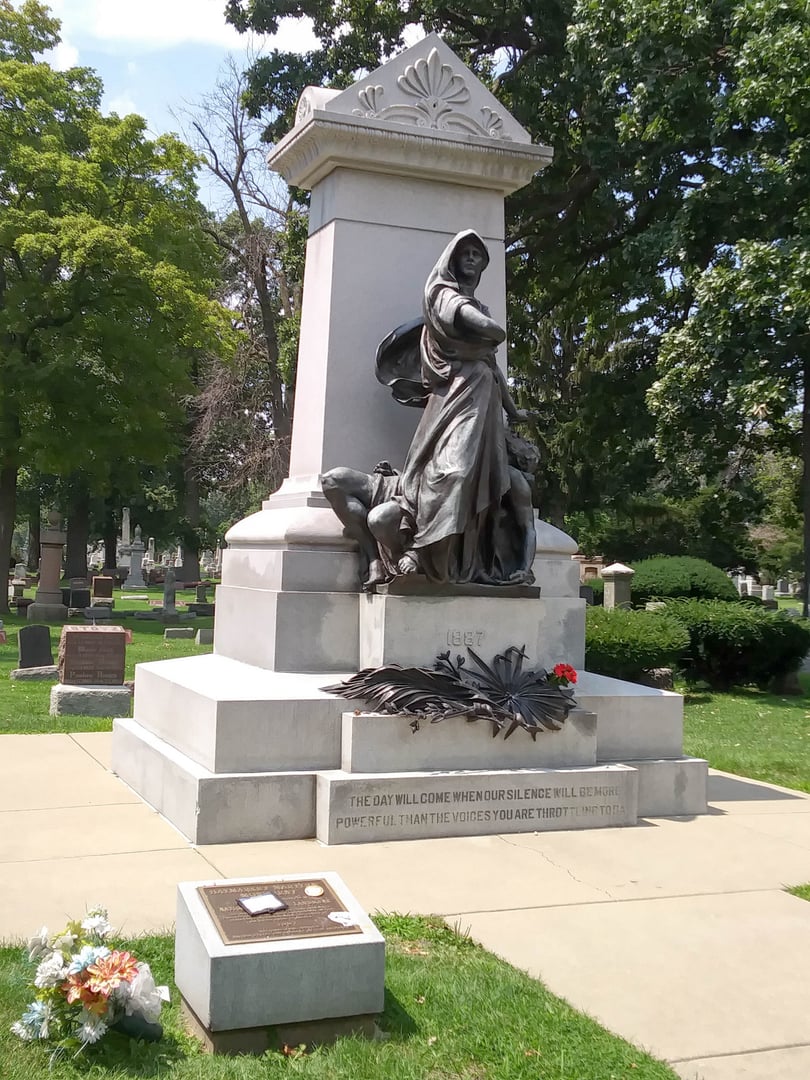
Forest Park, IL
Forest Home Cemetery in Forest Park, Illinois, grew from two adjacent cemeteries — German Waldheim (established 1873) and Forest Home (1876) — which merged in February 1969. The 220-acre site was chosen as a non-denominational burial ground, a policy that made it the only Chicago-area cemetery willing to accept the bodies of the Haymarket defendants in 1887.
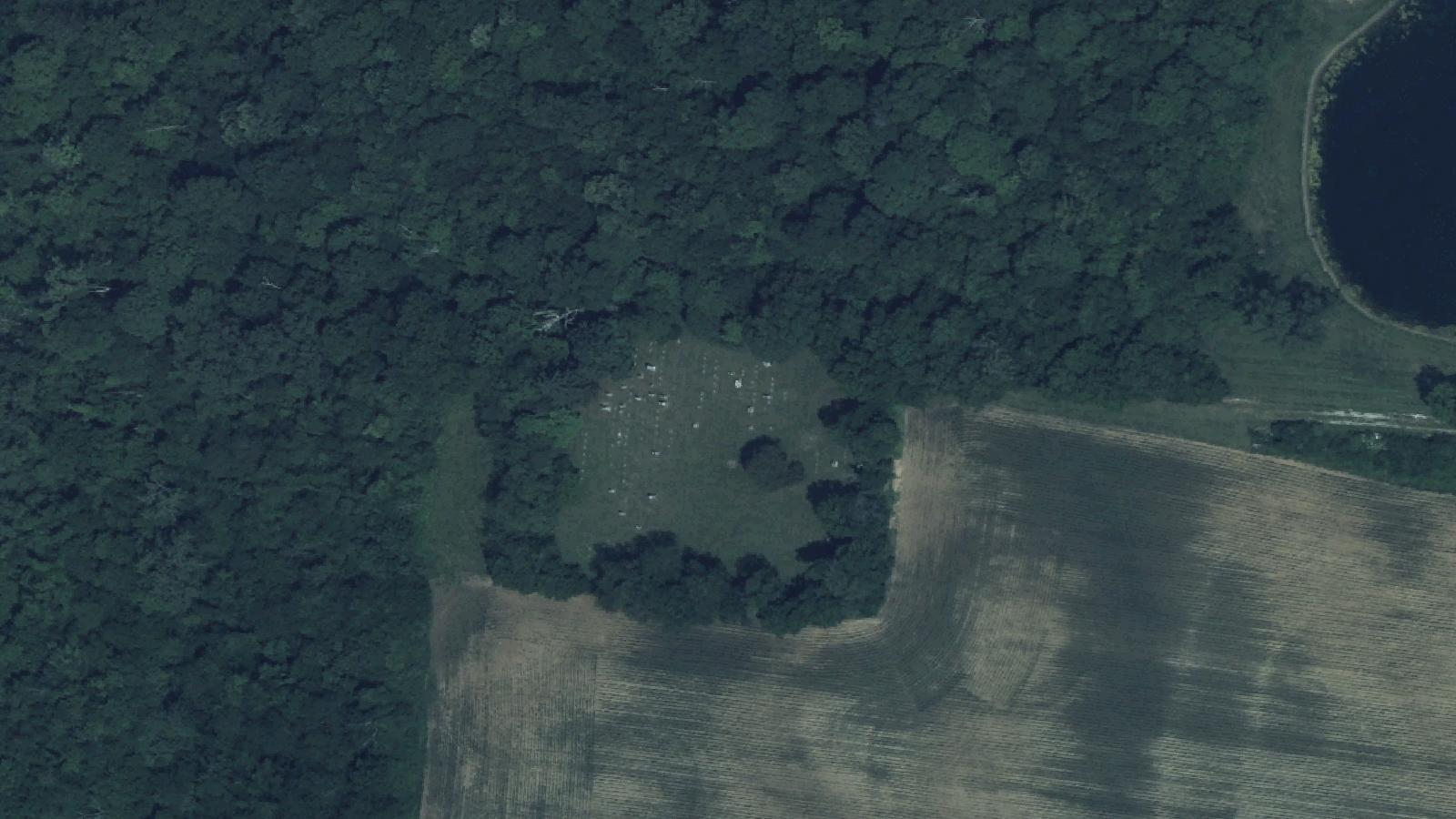 Aerial survey · USDA NAIP
New Carlisle, OH
Blacks Cemetery is a historic burial ground located approximately 4 miles outside of New Carlisle, Ohio, in Clark County. The cemetery contains graves dating from multiple periods, representing the burial traditions and community history of the New Carlisle area.