Est. 1861 · Original temporary resting place of President William McKinley · Founded 1861; one of Canton's oldest active cemeteries · Contains Canadian Commonwealth war grave from World War I
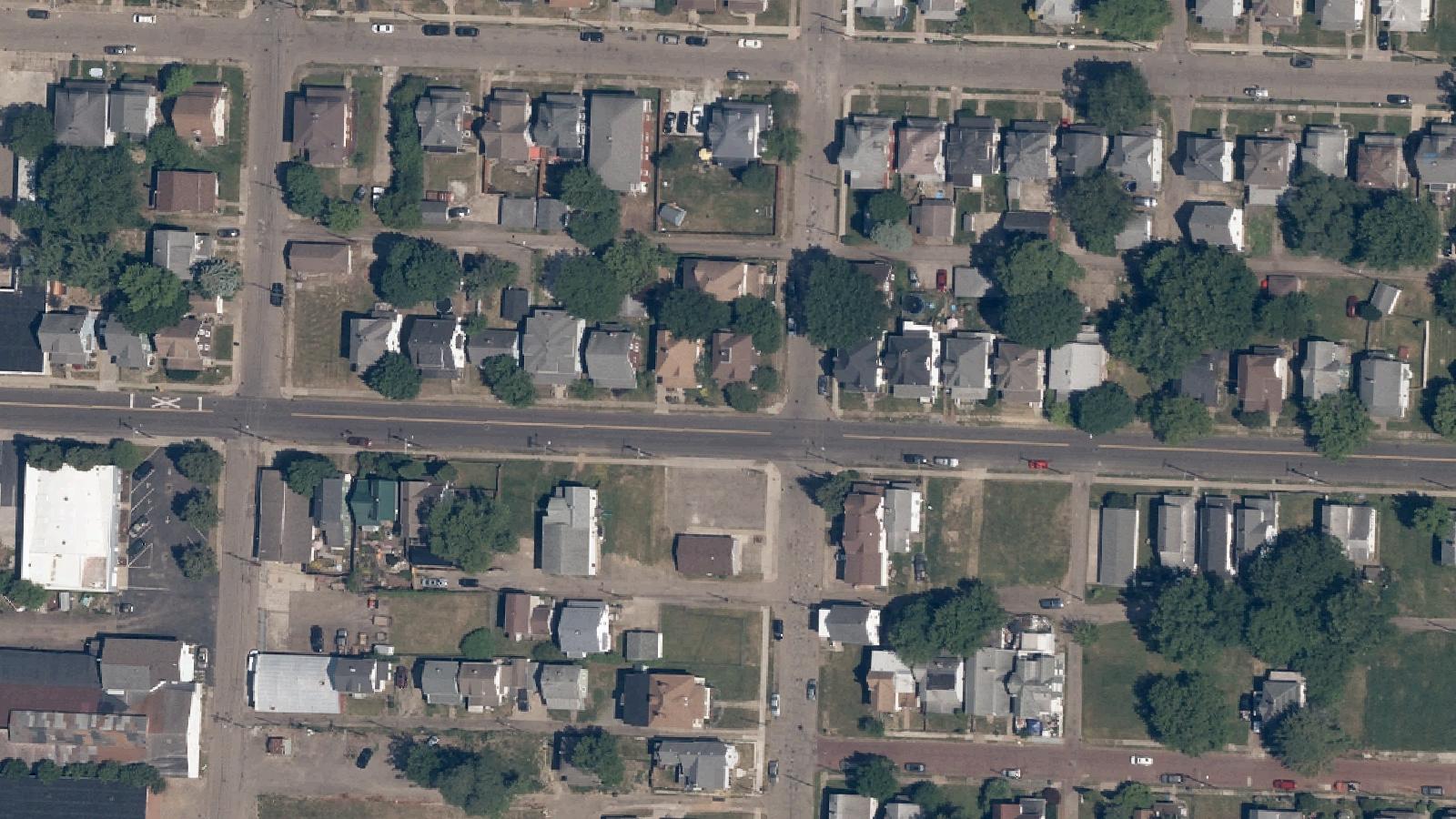
The Canton Cemetery Association organized on March 19, 1859, and West Lawn Cemetery held its first burial on January 1, 1861. The grounds sit between 4th and 12th St. NW, flanked by the McKinley Memorial and Interstate 77 — geography that places it at the center of Canton's presidential history.
After President William McKinley was assassinated on September 14, 1901, his remains were interred temporarily at West Lawn Cemetery in the Werts Receiving Vault while the McKinley National Memorial was under construction. Once the monument was completed, his remains were moved to their permanent location. The cemetery retains this presidential connection as part of Canton's broader McKinley heritage corridor.
The cemetery also holds a Commonwealth war grave — a Canadian Army soldier from World War I — and the graves of numerous notable Canton residents from the 19th and early 20th centuries.
Sources
- https://en.wikipedia.org/wiki/West_Lawn_Cemetery
- https://www.ohioexploration.com/paranormal/hauntings/starkcounty/
Sounds attributed to buried-alive victim (legend only)McKinley apparition reported on grounds
Among the legends associated with West Lawn Cemetery, the most persistent involves a tombstone inscribed with the name Frankenstein. According to local tradition as documented by the Ohio Exploration Society, the man interred there was buried alive, and on still nights one can hear him screaming for help and clawing from inside his coffin. The story has circulated in Canton for generations without a primary source that confirms either the identity of the person or the circumstances of their burial.
A second account associates President McKinley's apparition with the cemetery grounds — a story that likely draws from the cemetery's documented role as his temporary resting place from 1901 until the McKinley Memorial was completed. The suggestion that the president's spirit lingers where his body once lay is a common folkloric pattern near presidential burial sites, and it follows the same logic here.
Neither legend has been investigated formally or corroborated through paranormal research databases. The Frankenstein grave story is the more locally distinctive of the two, sustained by the accident of a surname that has carried cultural weight since Mary Shelley's 1818 novel.
Notable Entities
William McKinley (temporarily interred here after 1901 assassination)