Museum Visit
Guided House Museum Tour
A docent-led tour of the 1855 Gothic Revival home, covering the Clarke, Bosworth, and Nye family histories, the architecture, and the home's transition into a public museum in 1994.
- Duration:
- 1 hr
HauntBound archive · catalog record
Reported phenomena, as catalogued
An 1855 Gothic Revival house museum in downtown Marietta with octagonal tower and stone-capped spires, where staff and visitors report seeing former resident Jessie Nye.
418 Fourth Street, Marietta, OH 45750
Research updated September 2026
Age
All Ages
Cost
$
General admission listed from $10 per person on the official site; ghost tours priced separately.
Access
Limited Access
Multi-story Gothic Revival house museum with original staircases and tower
Equipment
Photos OK
Est. 1855 · Rare downtown Gothic Revival residence completed in 1855 · Designed by John Slocomb and built for attorney Melvin C. Clarke · Operating as a public house museum since 1994
The Castle was completed in 1855 as the home of attorney Melvin C. Clarke. The Gothic Revival design, attributed to John Slocomb, gave the residence the octagonal corner tower and stone-capped spires that earned the house its nickname. The building stands out among Marietta's largely Greek Revival and Italianate Victorian homes and remains one of the most architecturally distinctive structures in downtown Washington County.
Following Clarke's death in the Civil War, the home passed through the Bosworth and Nye families. Jessie Nye, the last private resident, lived in the house for much of the twentieth century and died there in 1974. After her death the property was eventually opened to the public and has operated as a Victorian house museum since 1994 under the stewardship of the nonprofit Castle Historic House Museum organization.
Today the museum interprets the lives of its successive owners and the broader story of Victorian-era Marietta, with regular daytime tours and special seasonal programming including ghost tours each fall.
Sources
According to Haunted US, the most frequently identified figure at The Castle is Jessie Nye, the long-time twentieth-century resident who died in the house in 1974. Visitors and staff describe a woman in early-1900s clothing appearing at windows or moving through the upper rooms. The Ohio Exploration Society's Washington County page records similar accounts, including disembodied male and female voices, cold spots, shadow figures in windows, and reports of physical contact from unseen forces.
A construction worker is said to have refused to return to the house during renovations after reporting an apparition sighting on the upper floor, according to the same paranormal compilations. The Castle's own programming has incorporated these accounts into seasonal ghost tours, which present the lore alongside the documented family history rather than as standalone supernatural claims.
Notable Entities
A docent-led tour of the 1855 Gothic Revival home, covering the Clarke, Bosworth, and Nye family histories, the architecture, and the home's transition into a public museum in 1994.
Seasonal evening ghost tours led by museum staff, focusing on the documented residents and the reports of unexplained activity attributed to longtime resident Jessie Nye and other former occupants.
Some links on this page may earn HauntBound a small commission when you book, at no extra cost to you. Our editorial picks are independent. Full disclosure
Every HauntBound history is researched from documented sources. We clearly separate verified historical fact from paranormal folklore.
Free Guide
11 verified stops, rated for families, mapped in order. Free.
One email to confirm, then the guide link. Unsubscribe anytime.
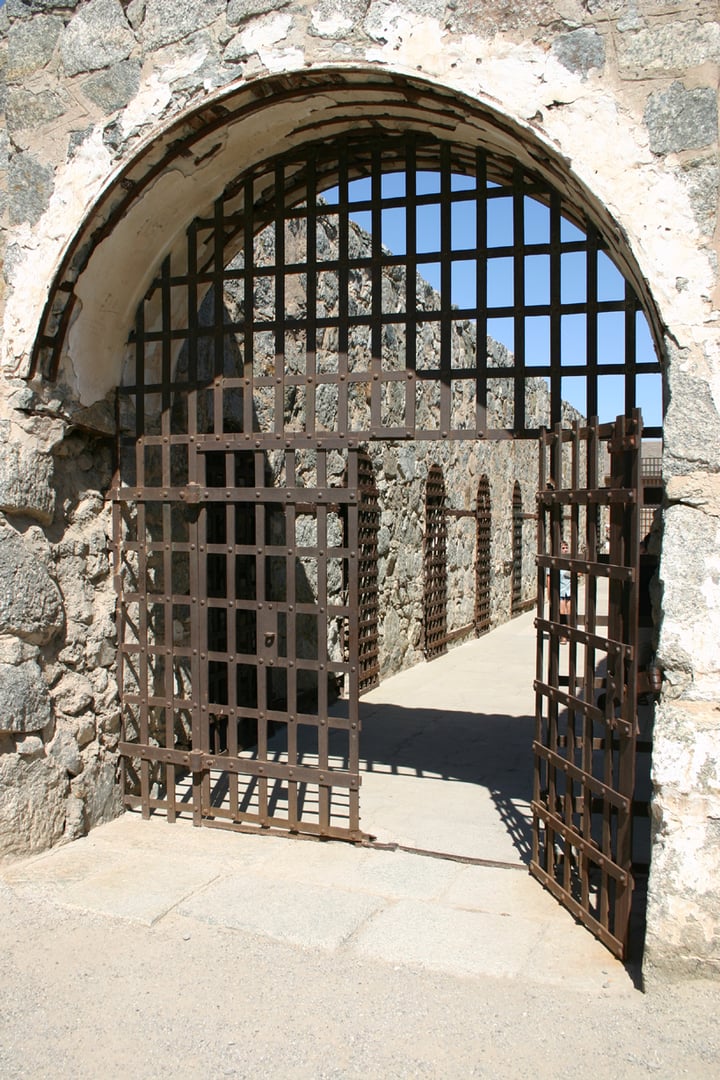
Yuma, AZ
Yuma Territorial Prison operated from 1876 to 1909 on a bluff overlooking the Colorado River in Yuma, Arizona. It held 3,069 prisoners during its 33-year operation, including 29 women. The facility became a state historic park and has been voted by USA Today readers as the Best Haunted Destination in the nation.
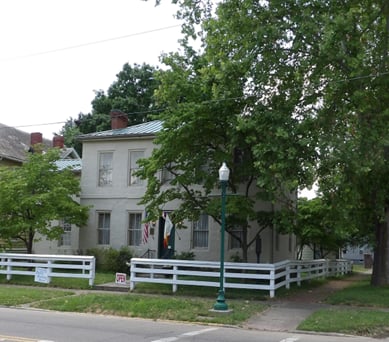
Marietta, OH
The Henry Fearing House at 131 Gilman Avenue in Marietta, Ohio, was built in 1847 for prominent local attorney Henry Fearing and later occupied by Civil War General Benjamin D. Fearing. The Washington County Historical Society purchased the home in 1974 and reopened it as a museum in 1982.
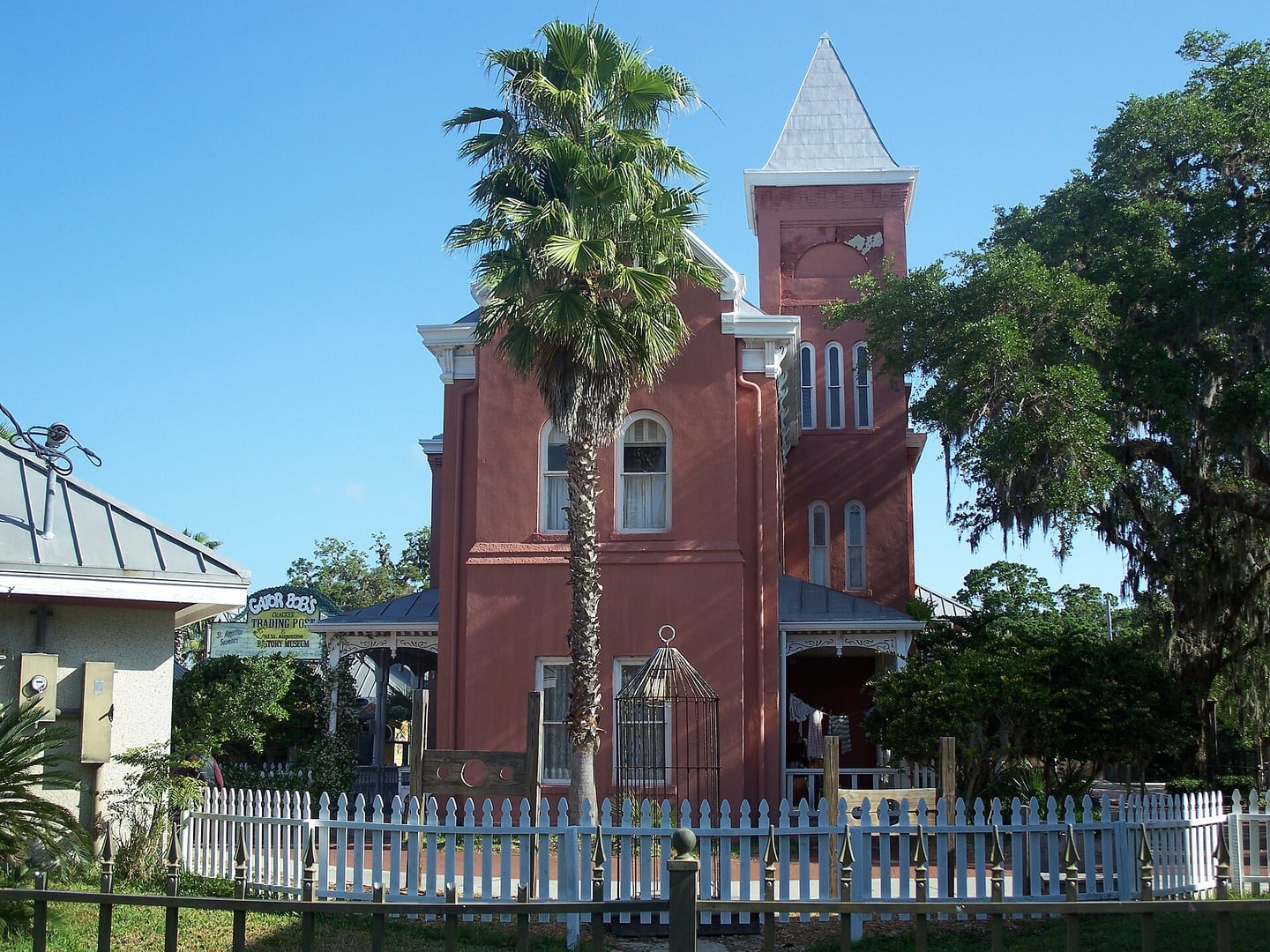
St. Augustine, FL
The Old St. Johns County Jail at 167 San Marco Avenue in St. Augustine, Florida was commissioned by railroad magnate Henry Flagler and constructed in 1891. Designed by the same architectural firm later used for Alcatraz, the facility housed prisoners under conditions so severe — one bucket per cell as a toilet, minimal diet, and labor in Flagler's fields — that it was closed in 1953. Eight documented executions occurred on site before the county converted the building to a tourist attraction in 1954.