Est. 1820 · Federal Period Architecture · National Historic Landmark · Robert S. Duncanson Murals · Site of William Howard Taft's 1908 Nomination Acceptance · Baum-Longworth-Sinton-Taft Provenance
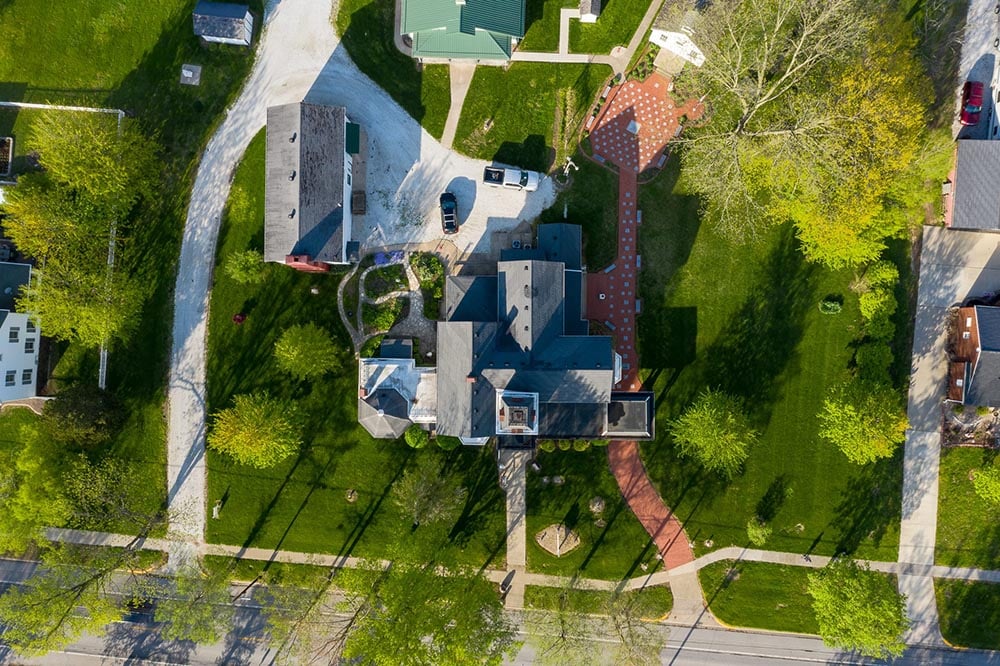
The Baum-Longworth-Sinton-Taft House was built about 1820 for Martin Baum, a Cincinnati merchant and former mayor. The Federal-style mansion subsequently passed to horticulturist and real-estate developer Nicholas Longworth, who is generally credited with launching commercial winemaking in the United States and who used the home as both residence and informal art gallery. After Longworth's death the house was acquired by pig-iron magnate David Sinton.
Sinton's daughter Anna Sinton inherited the home and lived there with her husband Charles Phelps Taft, half-brother of President William Howard Taft. From the home's portico in 1908, William Howard Taft accepted his Republican presidential nomination. The Tafts assembled a major collection of European Old Master paintings, Chinese porcelains, French Renaissance enamels, and 19th-century American works including paintings by John Singer Sargent and J.M.W. Turner.
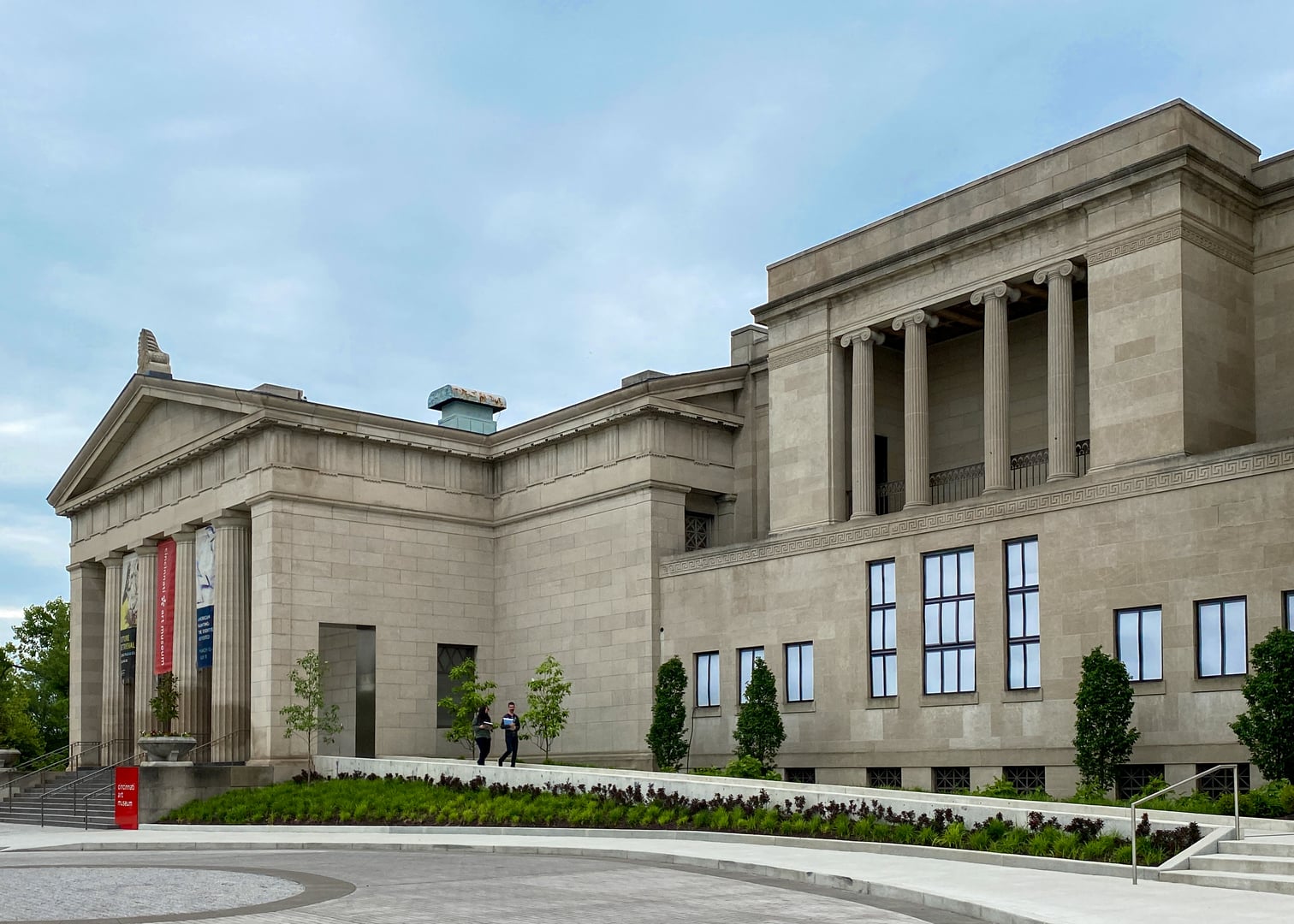
The Tafts bequeathed the house and their collection to the people of Cincinnati in 1927. Charles Phelps Taft died in 1929 and Anna Sinton Taft died in 1931, and the home opened to the public as the Taft Museum of Art on November 29, 1932. The mansion is one of the oldest domestic wooden structures still in use in downtown Cincinnati.
Major preservation campaigns in the 20th and 21st centuries have stabilized the original Federal-period exterior and restored mid-19th-century murals by African-American landscape painter Robert S. Duncanson in the entry hall. The Taft Museum is listed on the National Register of Historic Places and is a National Historic Landmark.
Sources
- https://en.wikipedia.org/wiki/Taft_Museum_of_Art
- https://www.taftmuseum.org/
- https://cincinnatighosts.com/the-haunted-taft-museum/
- https://cincinnatirefined.com/travel/haunted-cincinnati-tours-ghosts-cincinnati-history-paranormal-investigation-eerie-encounters-taft-museum-of-art-arnolds-bar-and-grill
- https://www.cincypeople.com/culture-blog/2021/10/28/our-favorite-haunts
Apparitions (Lady in Pink)Disembodied voicesShoulder tapsObject manipulationEMF anomaliesPhantom infant crying
According to Cincinnati Ghosts and Cincinnati Refined, the most frequently reported figure at the Taft Museum is a woman in a long pink gown believed to be Anna Sinton Taft (1850-1931), who lived in the house for decades until her death. Staff and visitors describe her as a brief, vivid apparition rather than a recurring residual figure.
Reported phenomena across multiple accounts include voices calling out staff members by name in empty galleries, light taps on the shoulder when no one is present, objects in the museum gift shop knocked down without contact, and the sound of a baby crying in upstairs rooms. The third-floor area, which was originally the family's private living quarters, is the most frequently cited location.
During a Halloween paranormal program reported by Cincinnati Refined, an EMF reader was said to have spiked dramatically near Nicholas Longworth's portrait on the main staircase, with no apparent electrical source on either side of the wall. Paranormal investigators frame the spike as suggestive rather than confirmatory; EMF readings can be triggered by nearby wiring or building systems not immediately visible.
The Taft Museum has not officially endorsed the haunting claims, but the museum has hosted ticketed seasonal Halloween programming that includes the building's reported phenomena in its narrative. All paranormal claims here are framed by external sources (ghost-tour operators, lifestyle press, and visitor anecdote) rather than peer-reviewed investigation reports.
Notable Entities
Anna Sinton Taft (Lady in Pink)Nicholas Longworth (associated with staircase portrait)
Media Appearances
- Cincinnati Refined haunted-tour feature
- Cincinnati Ghosts walking tour