Est. 1861 · National Historic Landmark · Ohio Civil War History · 19th-Century Civic Architecture · Lincoln Funeral Train
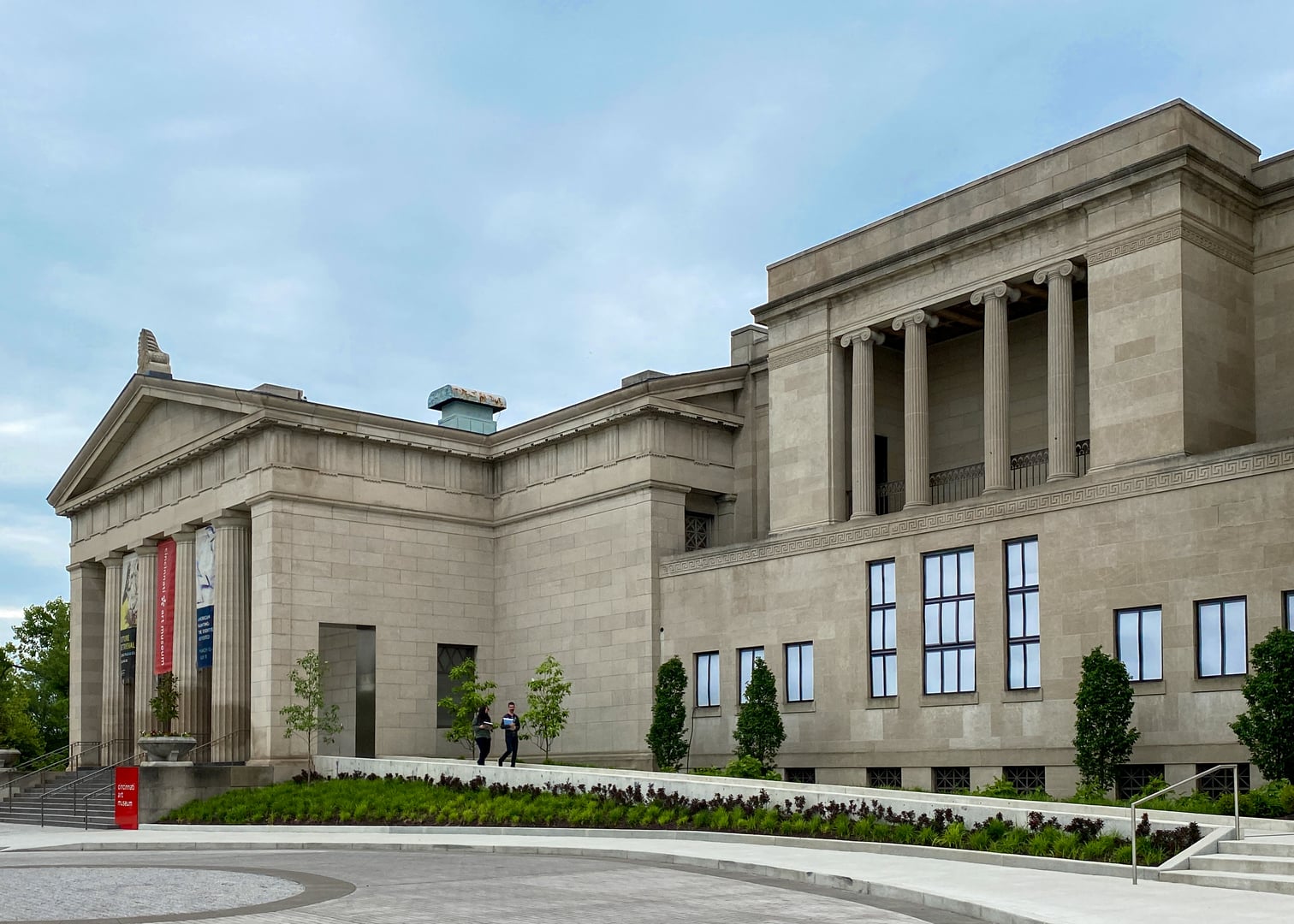
Authorized in 1838 and laid the following year, the Ohio Statehouse was designed in the Greek Revival idiom and built of Columbus limestone quarried on what is now the State Office Tower site west of the building. Construction stopped, restarted, and changed hands among architects Henry Walter, William Russell West, Nathan Kelley, and Isaiah Rogers over the project's long life. The 18-foot-deep foundation was built in part by inmates of the nearby Ohio Penitentiary serving hard-labor sentences.
A cholera epidemic swept Columbus during the construction years and temporarily forced residents to flee the city, halting work on the building. When the old statehouse a few blocks away burned in 1852, completing the new building became urgent. The Statehouse opened to the public on January 7, 1857, and was formally finished in 1861.
During the Civil War, Columbus served as a major Union mustering point, and the Statehouse stood within blocks of military hospitals and the Ohio Penitentiary, which held Confederate prisoners. After Abraham Lincoln's assassination, his funeral train stopped in Columbus on April 29, 1865, and the President's body lay in state in the Statehouse rotunda where some 50,000 mourners filed past.
The Statehouse has been continuously occupied by the Ohio General Assembly since the 19th century. A multi-year restoration in the 1990s returned the public spaces to their 19th-century appearance, opened the Statehouse Museum Education Center, and added the underground parking and atrium.
Sources
- https://en.wikipedia.org/wiki/Ohio_Statehouse
- https://www.ohiostatehouse.org/galleries/media/haunted-tales-of-the-ohio-statehouse-1005186
- https://spectrumnews1.com/oh/columbus/news/2025/10/24/ohio-statehouse-haunted-politics
- https://www.experiencecolumbus.com/blog/post/get-goosebumps-in-columbus-ghost-tours-haunted-buildings/
ApparitionsFlickering lights along a fixed routeDisembodied weepingSensed presence
According to Spectrum News 1's October 2025 reporting and the official Haunted Tales series produced by the Ohio Statehouse Museum Education Center, Thomas Bateman served 52 years as a Senate clerk and kept a famously fixed routine — same route in, same route out, gone by 5 PM. Witnesses at the Statehouse report that lights along that route still flicker around 5 o'clock in a pattern that matches the path he walked to leave for the day.
A second recurring figure is the Lady in Gray, sometimes heard weeping in the corridors. The Haunted Tales series also stages stories of Civil War soldiers and Ohio Penitentiary inmates who died during the cholera epidemic that interrupted the building's construction, along with a romanticized account of Abraham Lincoln dancing with Kate Chase — the Salmon P. Chase daughter who was a Civil War-era Washington social figure.
The Statehouse's approach to its ghost stories is unusually institutional. The Education Center films the tales in cooperation with the Ohio Channel and presents them as folklore alongside the building's documented history rather than as authenticated paranormal claims.
Notable Entities
Thomas Bateman (Senate clerk 1919-1971)Lady in GrayCivil War soldiers and prisonersAbraham Lincoln (folklore figure)
Media Appearances
- Ohio Channel — Haunted Tales of the Ohio Statehouse (2020-present)
- Spectrum News 1 — History haunts Ohio Statehouse (October 2025)