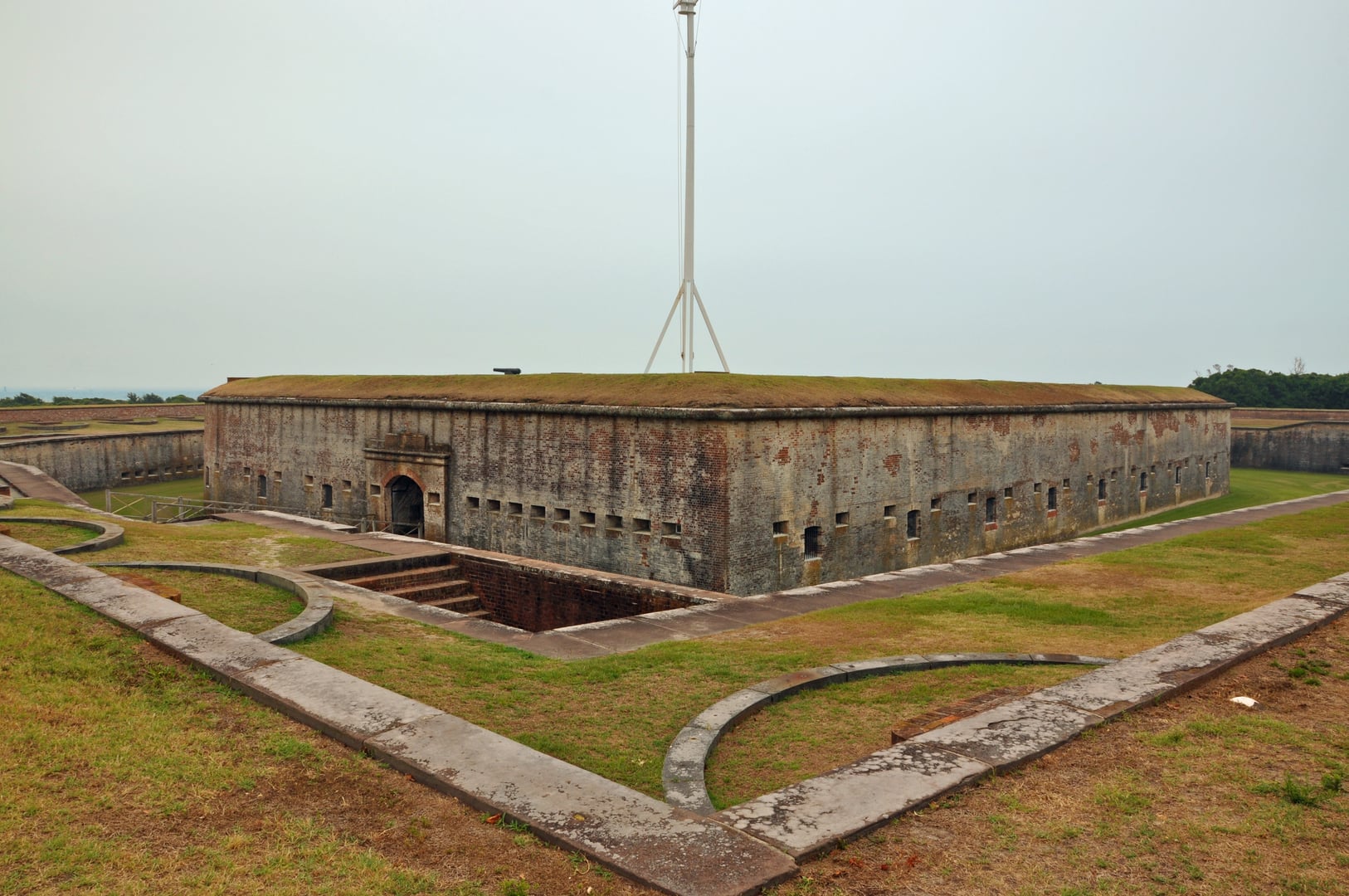
Site of the August 8, 1780 Battle of Piqua · Largest American Revolution engagement in present-day Ohio · 1854 Daniel Hertzler House — National Register listed
On August 8, 1780, George Rogers Clark led approximately 1,000 Kentucky militia — including Simon Kenton and possibly Daniel Boone, whose presence at the engagement remains debated — across the Ohio River and destroyed five Shawnee villages along the Little Miami River, including the village of Pekowi (anglicized as Piqua). The action was part of Clark's western campaign during the American Revolution to disrupt British-allied Shawnee raids against Kentucky settlements. The Battle of Piqua was the largest engagement of the Revolution within present-day Ohio.
The Shawnee inhabitants had largely evacuated before Clark's arrival. Casualties on both sides were comparatively light by the standards of the time, but the destruction of the villages and crops contributed to the Shawnee abandoning the upper Mad River Valley. Clark's campaign — and the Treaty of Greenville fifteen years later — opened the area to American settlement.
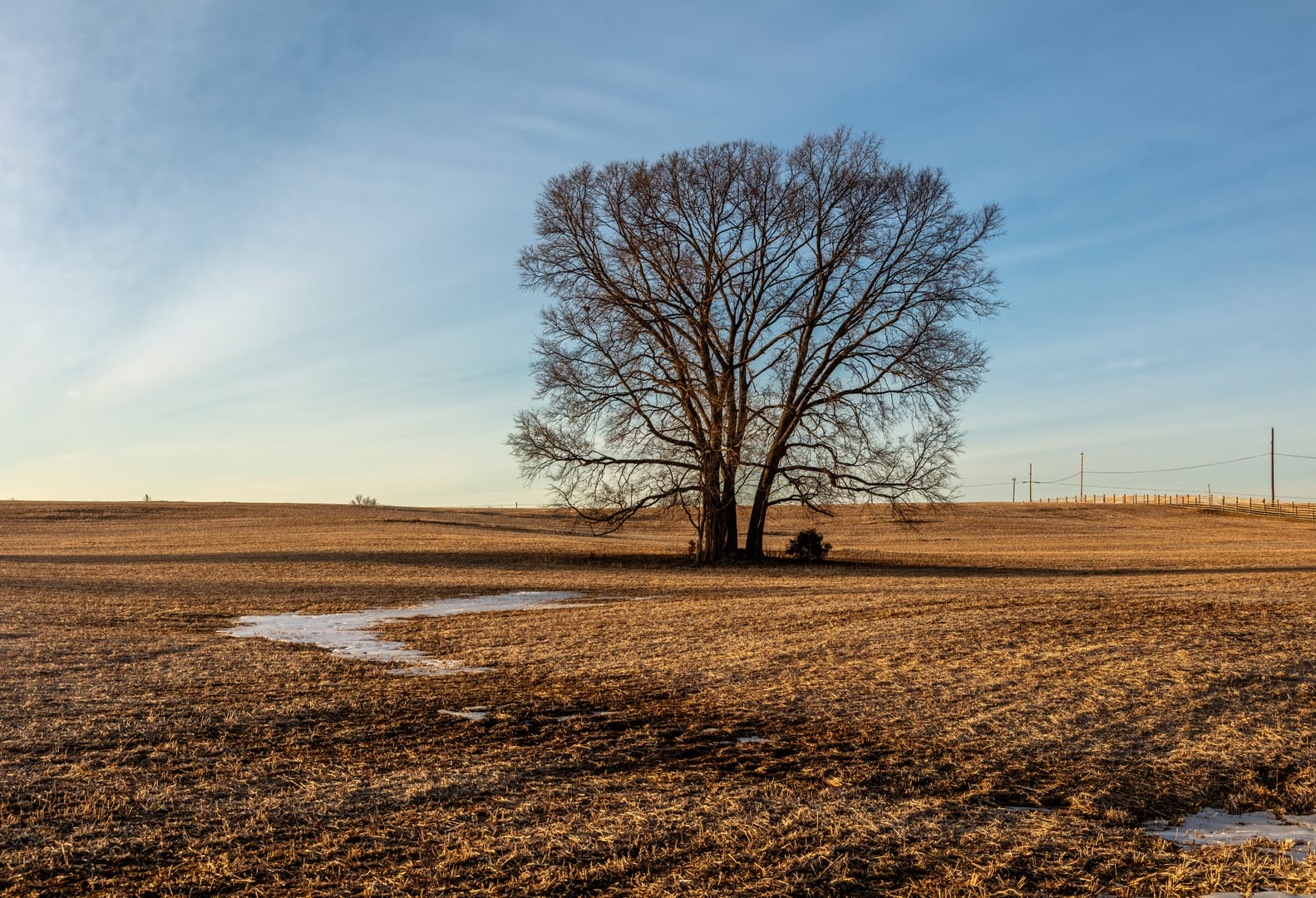
The park's 282 acres preserve much of the battlefield landscape. The Daniel Hertzler House, built in 1854 atop the hill overlooking the battlefield, was the home of a Clark County banker and farmer. On the night of October 17, 1867, three intruders broke into the house seeking Hertzler's rumored cash reserves; Hertzler was beaten to death and the murderers were never identified. The house is now operated as a museum by the National Road Heritage Corridor.
Sources
- https://en.wikipedia.org/wiki/Battle_of_Piqua
- https://www.springfieldnewssun.com/news/local/history-runs-deep-battleground/rucOKIRkGLkMljENfMw8GN/
- http://touringohio.com/history/battle-of-piqua.html
- https://www.ohioexploration.com/paranormal/hauntings/clarkcounty/
Figure briefly visible in Hertzler House upper-floor window from SR 4Footsteps and pipe-tobacco smell inside the housePeriod-dressed figures along park paths at dawn
Local Clark County paranormal tradition collected by the Ohio Exploration Society and the Springfield News-Sun describes two overlapping accounts.
At the Hertzler House, docents and visitors have reported activity attributed to Daniel Hertzler since the late twentieth century. The most-repeated report is of a figure briefly visible in an upper-floor window from State Route 4, which passes the park. Inside the house, accounts include footsteps in unoccupied rooms, the smell of pipe tobacco, and the sense of presence in the second-floor bedroom.
Along the battlefield itself, joggers and hikers have reported figures in eighteenth-century or Indigenous dress visible briefly on the lower park paths along the Little Miami River, particularly at dawn. The reports are unstructured local tradition rather than documented investigation. The original Shadowlands account associates the figures with both Shawnee combatants and Clark's Kentucky militia; Hauntbound's editorial position is to describe these accounts as folklore rather than to attribute them to specific historical individuals.
Notable Entities
Daniel Hertzler
Media Appearances
- Ohio Exploration Society Clark County hauntings feature