Outdoor Exploration
Valley and Creek Walk
Explore the valley area where the Bluebridge crosses the Huron River near Seymour Creek. The location has historical significance related to War of 1812 frontier conflicts.
- Duration:
- 1.5 hr
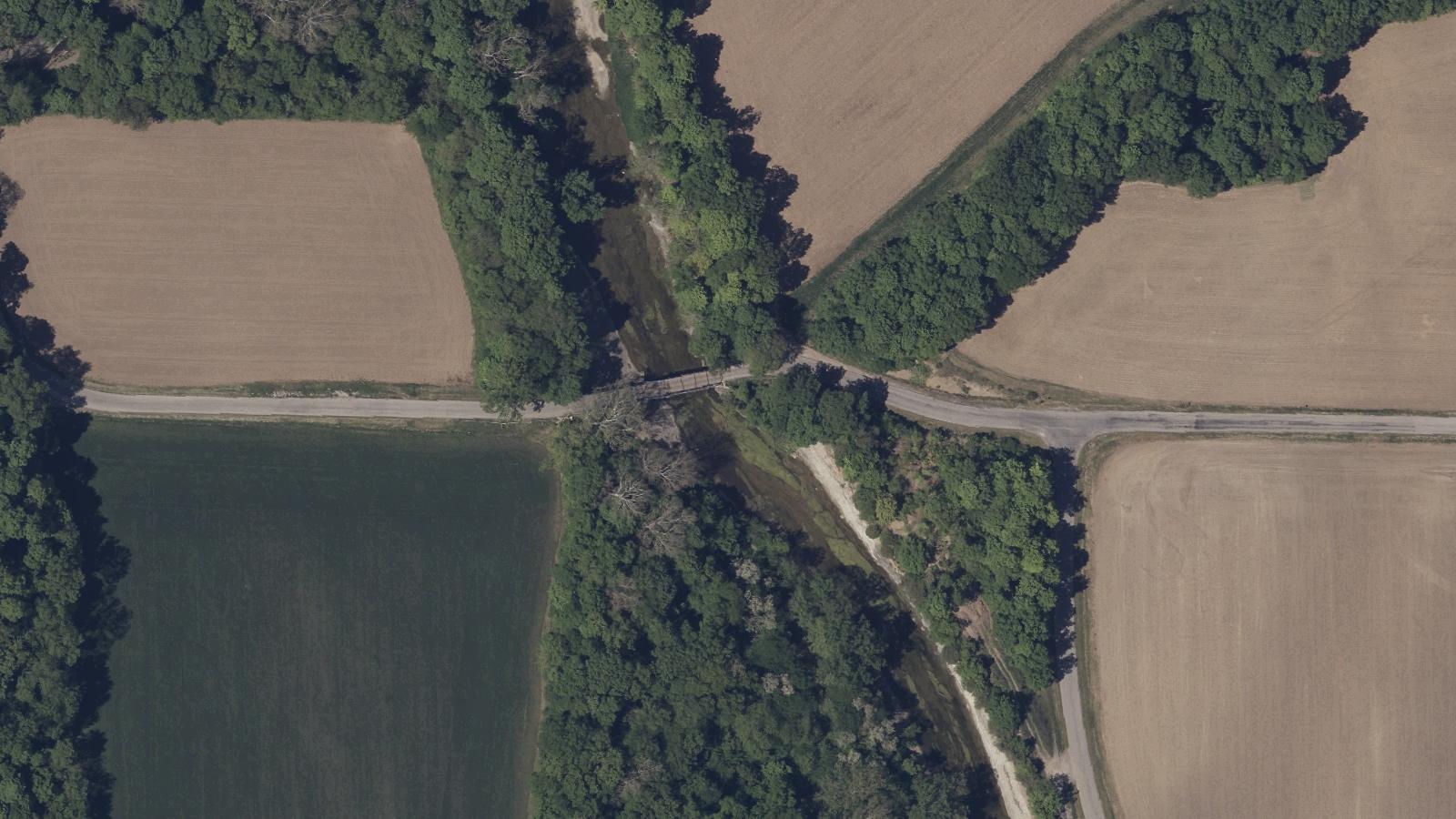 Aerial survey · USDA NAIP · public domain
Historic bridge with War of 1812 tragedy and reports of Native American apparitions
Monroeville, OH
Research updated May 2026
Age
All Ages
Cost
Free
Free
Access
Limited Access
Rural valley with creek and river
Equipment
Photos OK
War of 1812 Conflict · Frontier Settlement · Indigenous Encounter
The Bluebridge area lies near Monroeville, Ohio, a village in Huron County in the state's north-central farm country. Monroeville's documented early history begins in spring 1812, when Seth Brown arrived from Massachusetts as the village's first permanent settler — just months before the outbreak of the War of 1812 in June of that year. According to local histories, fear of British and allied Native American forces caused many area settlers to flee south and east after the surrender of the Northwest Army at Fort Detroit on August 16, 1812, and local militia companies began constructing defensive blockhouses.
The village, originally called Monroe, was platted in 1817 and named for President James Monroe. The Seth Brown House (built 1813) still stands as a marker of the settlement period. Seymour Creek, the local watercourse associated with the Bluebridge area, takes its name from an Ohio militia scout named Seymour killed during frontier operations near the bluff above the creek. The Huron County histories assembled during the 19th century preserve a number of military-era accounts from this stretch of the Firelands.
Sources
Folklore tied to the Bluebridge area collects a cluster of phenomena attributed to the War of 1812 frontier trauma — the period when Monroeville's settlers fled, militia blockhouses were built, and scout Seymour was killed near the creek that now bears his name. Local accounts in regional paranormal-tradition databases describe unexplained lights observed in the valley without an apparent natural source, shadowy forms moving across the landscape interpreted as apparitional figures, and occasional phantom mists.
The phenomena are characteristic of residual-haunting patterns associated with sites of military trauma: visual rather than auditory, environmental rather than interactive, and concentrated at dusk or after dark. No formal paranormal investigation reports have been published for the specific Bluebridge crossing, and the lore exists at the level of regional oral tradition rather than documented case files.
Notable Entities
Explore the valley area where the Bluebridge crosses the Huron River near Seymour Creek. The location has historical significance related to War of 1812 frontier conflicts.
View the blue-painted bridge from Lamereaux Road as it crosses the river valley.
Some links on this page may earn HauntBound a small commission when you book, at no extra cost to you. Our editorial picks are independent. Full disclosure
Every HauntBound history is researched from documented sources. We clearly separate verified historical fact from paranormal folklore.
Free Guide
11 verified stops, rated for families, mapped in order. Free.
One email to confirm, then the guide link. Unsubscribe anytime.
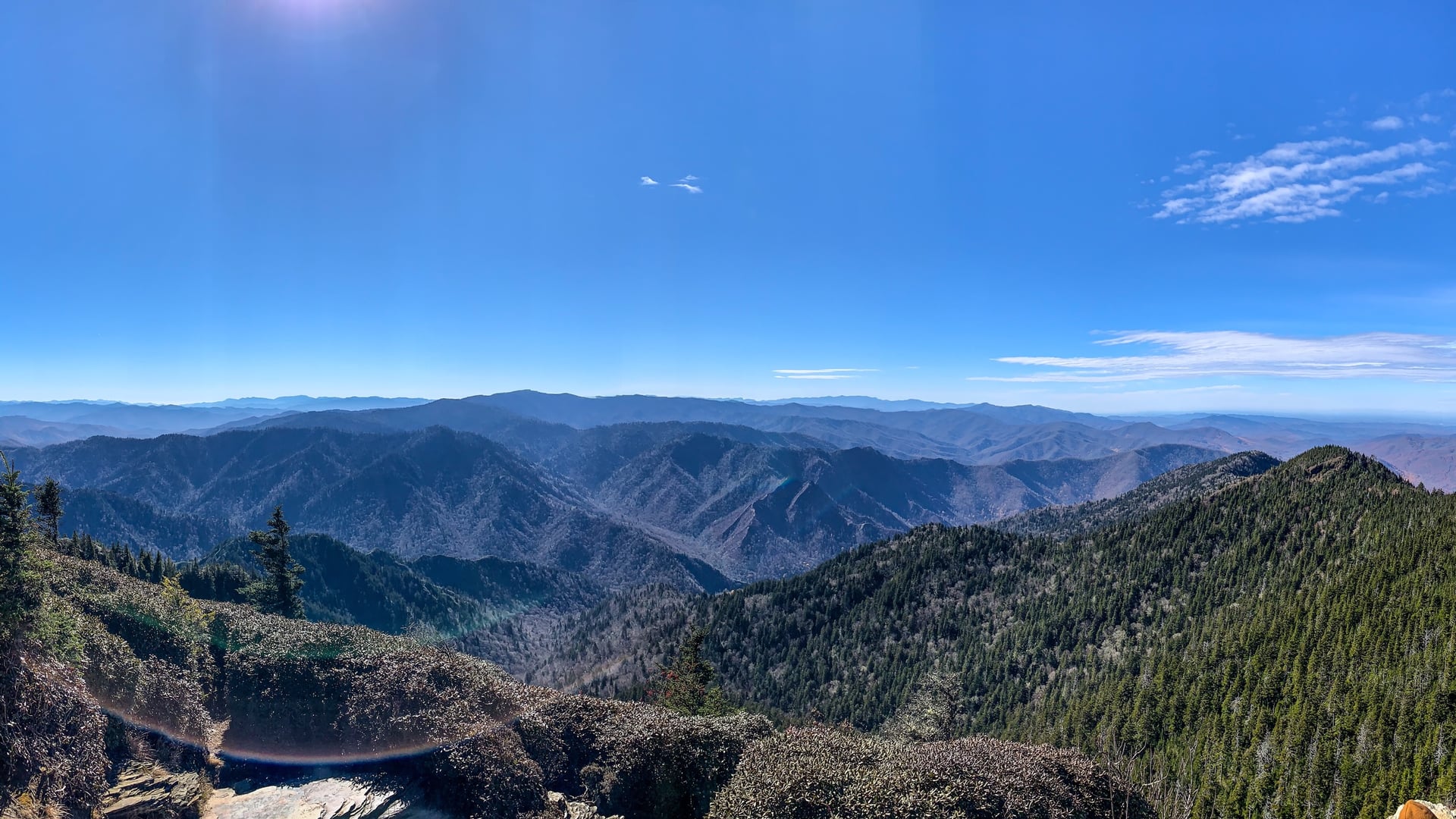
Gatlinburg, TN
Great Smoky Mountains National Park preserves 522,427 acres of southern Appalachian terrain across Tennessee and North Carolina. The land was the heart of the Cherokee Nation before forced removal in 1838 along what became the Trail of Tears, and home to Appalachian Scots-Irish and English settler communities through the early twentieth century. Congress authorized the park in 1926; it was formally dedicated by Franklin D. Roosevelt on September 2, 1940.
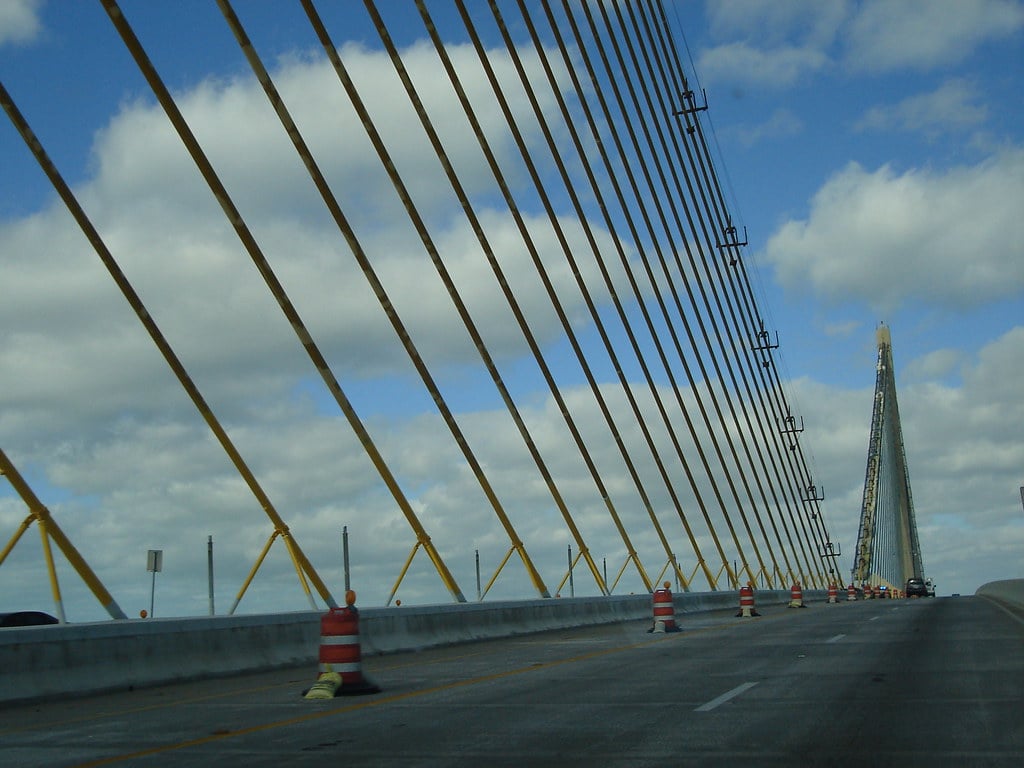
St. Petersburg, FL
The original Sunshine Skyway Bridge opened in 1954 and was expanded with a parallel span in 1969. On May 9, 1980, the freighter MV Summit Venture struck a support pier during a blinding storm, collapsing 1,297 feet of the southbound span and killing 35 of the approximately 48 people in vehicles on that section, including all 26 aboard a Greyhound bus. The current cable-stay bridge opened in 1987; the old piers now serve as the Skyway Fishing Pier State Park.
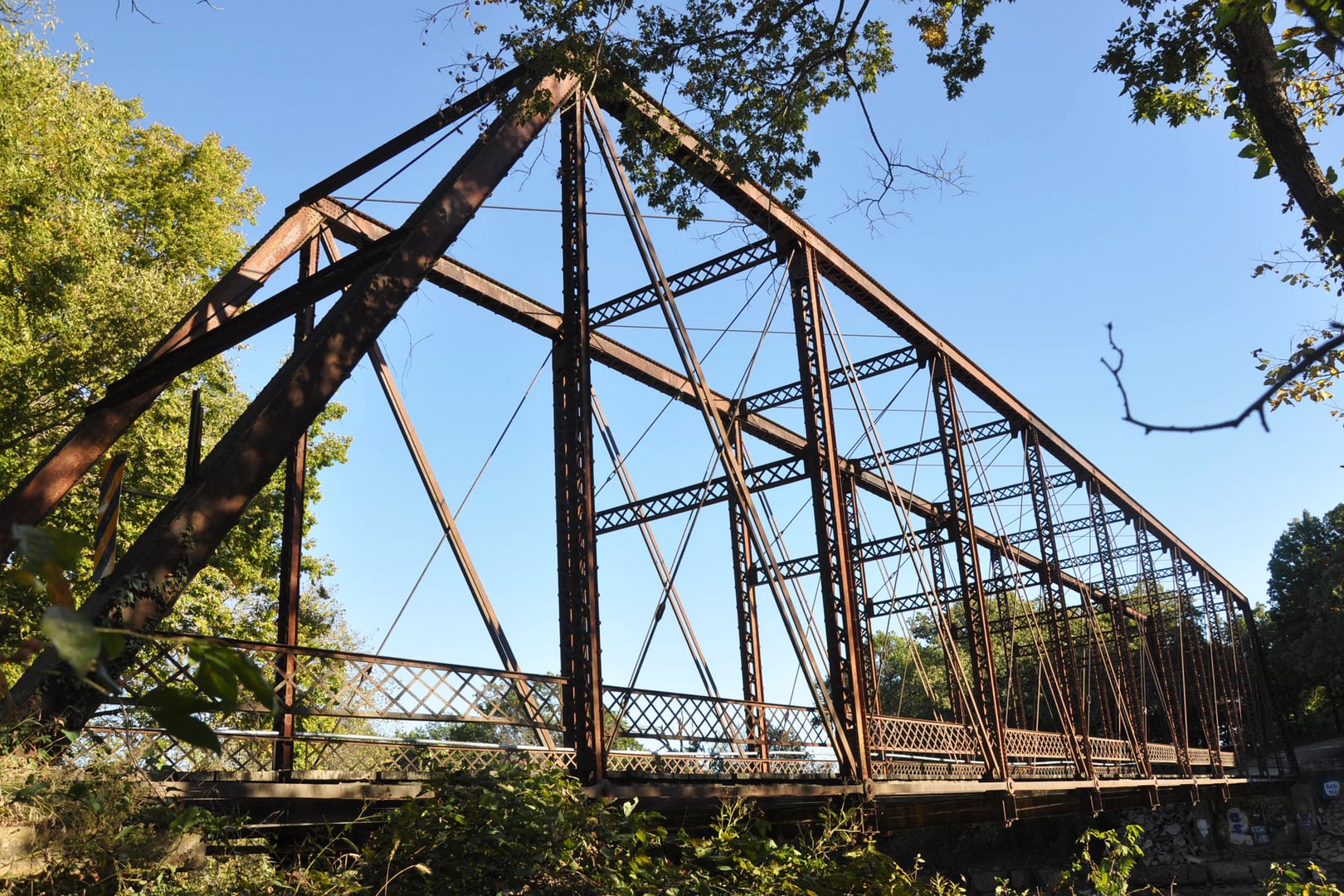
Emporia, KS
The Rocky Ford Bridge is a one-lane metal bridge dating to 1907 that carries a rural road over the Cottonwood River southeast of Emporia, Kansas. It is popularly called 'Bird Bridge' after the 1983 death of Sandra (Sandy) Bird, wife of Lutheran pastor Thomas Bird, whose case became the basis of the 1987 CBS miniseries 'Murder Ordained.'