Outdoor Exploration
Hike to Gretchen's Lock and Sprucevale ruins
Walk the Sandy & Beaver Canal towpath to Gretchen's Lock and the Sprucevale ghost-town ruins, including the standing stone gristmill foundation.
- Duration:
- 3 hr
HauntBound archive · catalog record
Reported phenomena, as catalogued
Gretchen's Lock, Sprucevale, and the Sandy & Beaver Canal
12021 Echo Dell Road, East Liverpool, OH 43920
Research updated May 2026
Age
All Ages
Cost
Free
Ohio state park; day-use admission is free. Camping fees apply for overnight stays.
Access
Limited Access
Forested trails, canal ruins, creek crossings
Equipment
Photos OK
Est. 1837 · Sandy and Beaver Canal Era · Ohio State Park (1945) · 19th Century Industrial Village
Beaver Creek State Park lies in eastern Ohio's Columbiana County, near East Liverpool. The Ohio legislature established the park in 1945 around the ruins of the 19th-century Sandy and Beaver Canal and the village of Sprucevale. The park today protects more than 3,050 acres of forest and creek corridor.
Sprucevale was founded in 1837 by the Hambleton Brothers, who built a stone gristmill, a locksmith shop, a general store, and a woolen factory in anticipation of the canal's completion. The 73-mile Sandy and Beaver Canal was constructed in the 1830s and 1840s as a connector between the Ohio and Erie Canal system and the Pennsylvania canals; it included roughly 90 locks and 30 dams. Financial difficulty and competition from the railroads forced its closure in 1853, and Sprucevale declined into a ghost town.
The park preserves canal locks, the Sprucevale gristmill foundation, and remnants of period buildings. The Carnegie Public Library of East Liverpool and the East Liverpool Historical Society maintain documentation of the canal era and the families associated with it.
Sources
The Legend of Gretchen's Lock recounts that canal engineer Gill Hans brought his family from Holland to Ohio to work on the Sandy and Beaver Canal. His young daughter Gretchen pined for the Low Country and grew weak, contracting malaria. She died on August 12, 1838. According to the tradition collected by the Carnegie Public Library, Gill Hans temporarily entombed her coffin within the stonework of the lock he had engineered, intending to retrieve it on the family's return voyage to Holland. The family's ship is said to have gone down in an Atlantic storm with all hands. On the anniversary of Gretchen's death, walkers along the canal towpath have reported seeing a young Dutch girl beside the lock that bears her name. Local historians note that documentary support for the entombment is limited; the story persists as one of Ohio's most-told canal legends.
A second tradition recorded for the park is Esther Hale, the Bride at the Bridge, said to have been jilted on her wedding day in August 1837 and found dead in her cabin in Sprucevale four months later. Tradition holds that her white-gowned figure appears near the bridge and along the towpath, especially in late summer.
A third story, tied to one of the locks farther downstream, involves a young man's tragedy associated with the canal era. The park's combination of canal ruins, surviving stonework, and documented 19th-century village makes it one of Ohio's most-visited outdoor folklore sites.
Notable Entities
Walk the Sandy & Beaver Canal towpath to Gretchen's Lock and the Sprucevale ghost-town ruins, including the standing stone gristmill foundation.
Periodic interpretive walks by local historians and the Columbiana County Visitors Bureau cover the Sandy & Beaver Canal history and the folklore associated with Sprucevale and Gretchen's Lock.
Some links on this page may earn HauntBound a small commission when you book, at no extra cost to you. Our editorial picks are independent. Full disclosure
Every HauntBound history is researched from documented sources. We clearly separate verified historical fact from paranormal folklore.
Free Guide
11 verified stops, rated for families, mapped in order. Free.
One email to confirm, then the guide link. Unsubscribe anytime.
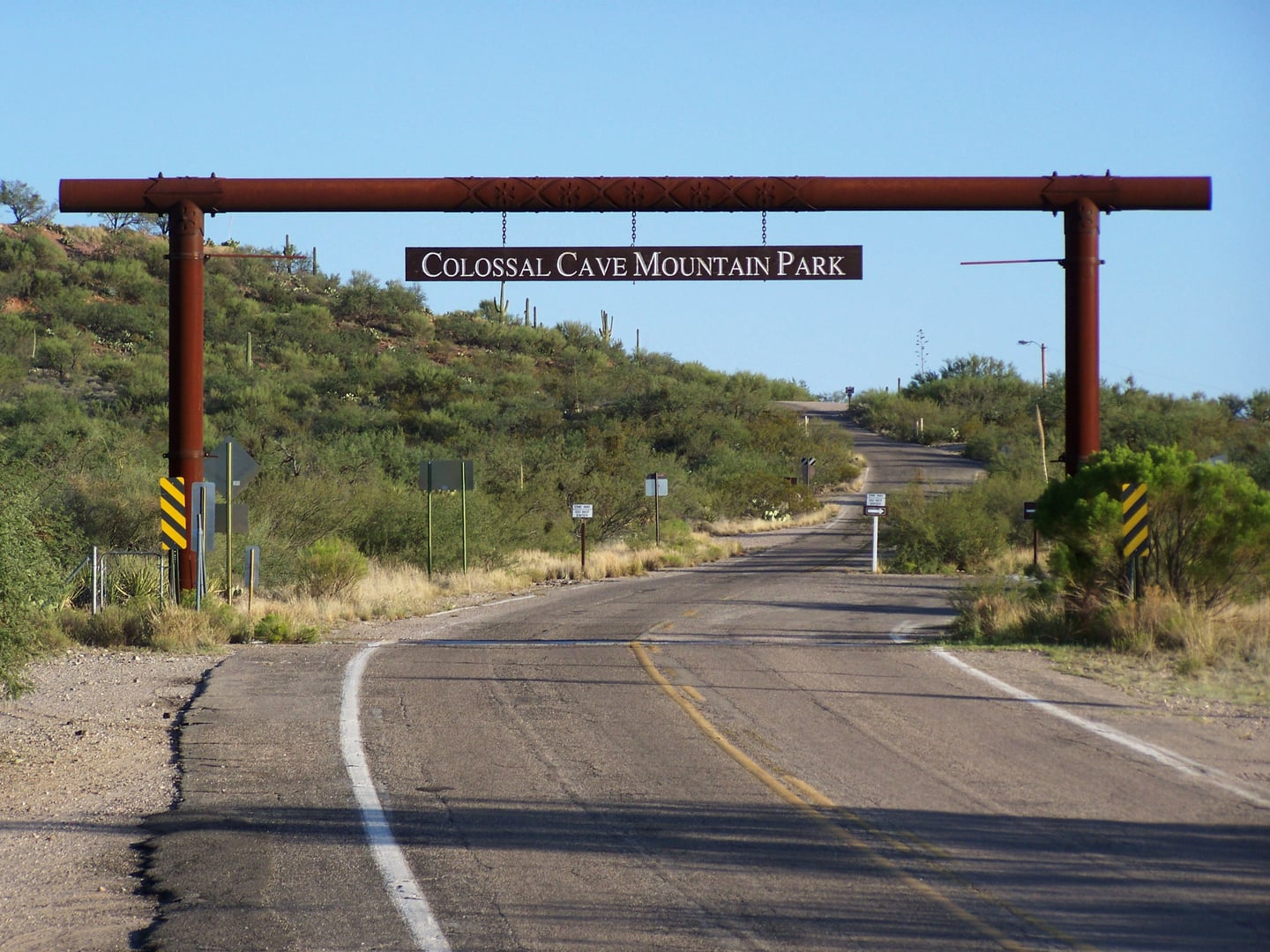
Vail, AZ
Colossal Cave Mountain Park preserves a dry limestone cave 15 miles southeast of Tucson that is associated with the operator’s Bandit Legend. Frank Schmidt, one of the cave's early developers, spent much of his life documenting and preserving the caverns before his death.
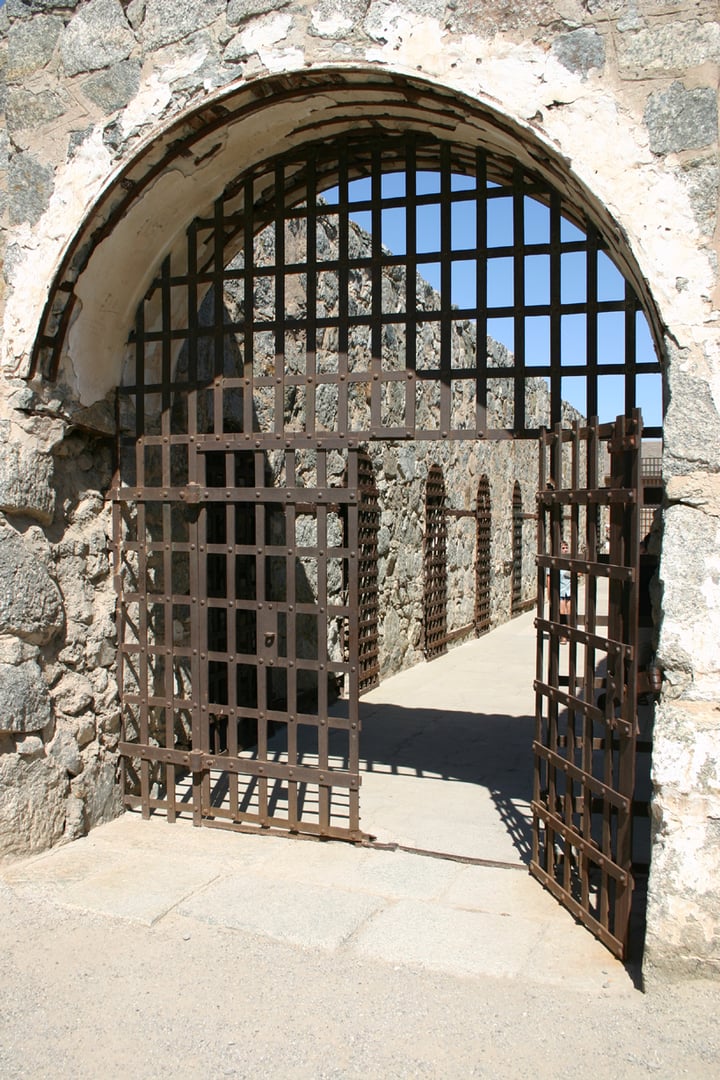
Yuma, AZ
Yuma Territorial Prison operated from 1876 to 1909 on a bluff overlooking the Colorado River in Yuma, Arizona. It held 3,069 prisoners during its 33-year operation, including 29 women. The facility became a state historic park and has been voted by USA Today readers as the Best Haunted Destination in the nation.
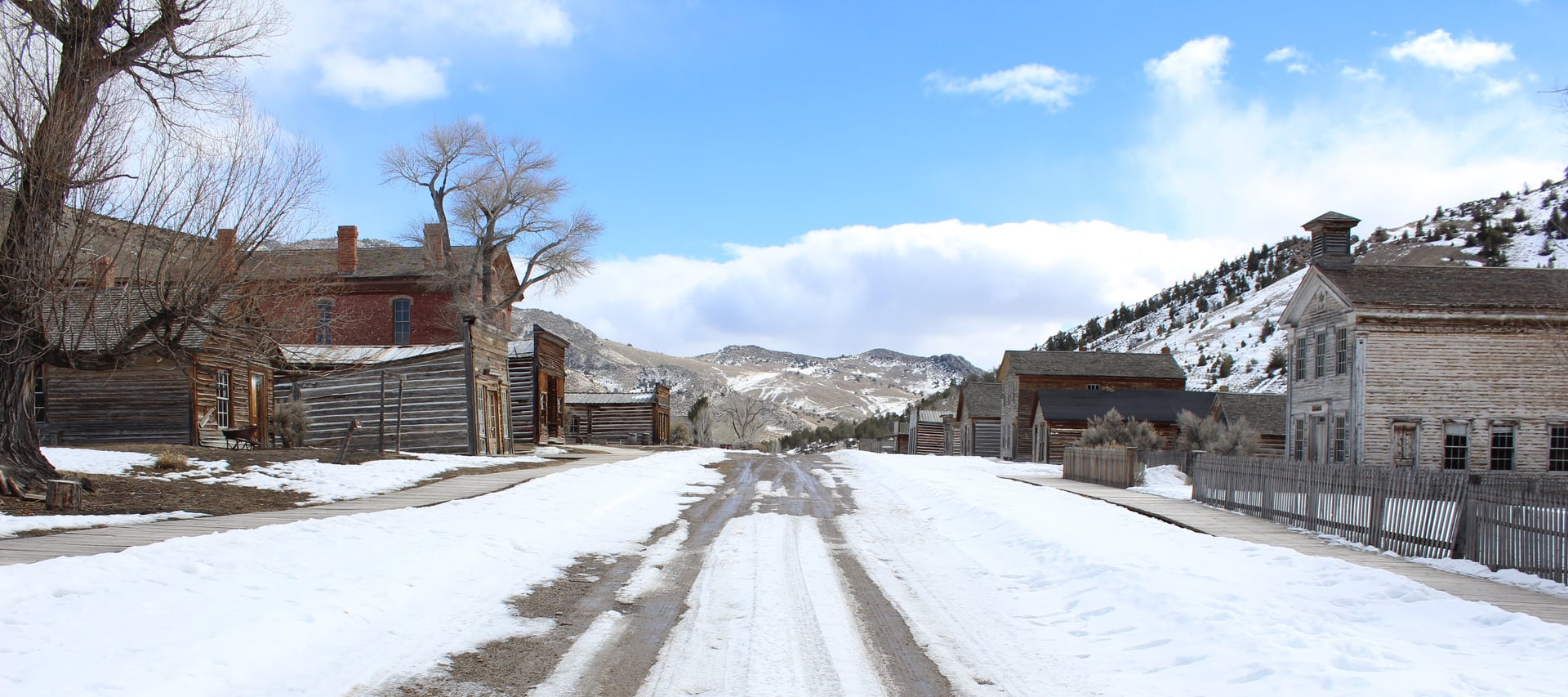
Dillon, MT
Bannack State Park preserves Montana's first territorial capital and one of the West's most intact ghost towns. Founded after the July 28, 1862 gold strike at Grasshopper Creek, Bannack grew to a peak population of approximately 10,000 before declining through the late 19th and 20th centuries. More than 50 historic structures survive along the original main street.