Outdoor Exploration
Shoreline Beach Walk
Walk the Lake Erie shoreline adjacent to the camp where shadow figures are reportedly observed. The beach offers views of the lake and historical perspectives on the island's past.
- Duration:
- 1.5 hr
HauntBound archive · catalog record
Reported phenomena, as catalogued
Youth camp with reports of poltergeist activity and shadow figures on Lake Erie shoreline
403 Ward Road, Kelleys Island, OH 43438
Research updated May 2026
Age
Group Booking Required
Cost
$$
Contact camp for rates
Access
Wheelchair OK
Developed camp grounds with lake access
Equipment
Photos OK
Est. 1945 · 4-H Youth Development · Lake Erie Camp · Ohio Education · Island Community Institution
The Kelleys Island 4-H Camp was established in 1945 as part of the Ohio State University Extension's youth development programs. Located at 403 Ward Road on Kelleys Island in Lake Erie, the facility has maintained continuous operations for nearly eighty years, serving tens of thousands of campers through residential sessions and day-use programs.
Kelleys Island itself has a rich and complex history. The island was historically quarried for limestone and other minerals, with extensive mining operations leaving geological marks on the landscape. The island was also home to permanent residents, farmers, and workers who developed the community throughout the nineteenth and twentieth centuries.
The 4-H Camp became a central institution on the island, representing the modern educational mission of the Ohio State University Extension. The camp maintains administrative offices in Sandusky and operates year-round programming on the island. The facility serves youth from across Ohio and neighboring states, making it one of the most significant institutional presences on Kelleys Island.
Sources
Paranormal accounts from Kelleys Island 4-H Camp describe several categories of phenomena concentrated around the residential cabins and Lake Erie shoreline.
Cabin activity reportedly includes objects moving or becoming displaced when the structures are unoccupied, suggesting poltergeist-type phenomena or residual haunting manifestations. Witnesses describe items found in different locations from where they were placed, movement audible when spaces are empty, and an undefined sense of presence in certain structures. Notably, some visitors report hearing voices despite being deaf or having hearing impairments, a phenomenon that defies conventional acoustic explanation.
The shoreline manifestations involve visual apparitions of dark figures walking on the beach, appearing distinctly and then vanishing abruptly—described as disappearing in seconds. These shadow figures are observed primarily during evening and nighttime hours and occur along the eastern and central shorelines.
Local historical accounts associate some beach apparitions with Elizabeth Selfe, a permanent resident of Kelleys Island whose death in June 1877 remains historically controversial. Elizabeth, widowed with dependent children, was found battered on the eastern shore on July 4, 1877, following her mysterious disappearance eleven days earlier. Though officially ruled a suicide, the examining physician believed her death resulted from homicide, a view supported by community members and family. The ambiguity and trauma surrounding her death has contributed to local folklore about the island's paranormal activity.
Other historical incidents on the island, including quarrying accidents that killed workers, have also generated folklore about ghostly manifestations and spirits of the deceased appearing from the lake or wandering the shoreline.
Notable Entities
Walk the Lake Erie shoreline adjacent to the camp where shadow figures are reportedly observed. The beach offers views of the lake and historical perspectives on the island's past.
Explore the camp grounds during group retreats or open events. The cabins and surrounding facilities are available during scheduled programming.
Some links on this page may earn HauntBound a small commission when you book, at no extra cost to you. Our editorial picks are independent. Full disclosure
Every HauntBound history is researched from documented sources. We clearly separate verified historical fact from paranormal folklore.
Free Guide
11 verified stops, rated for families, mapped in order. Free.
One email to confirm, then the guide link. Unsubscribe anytime.
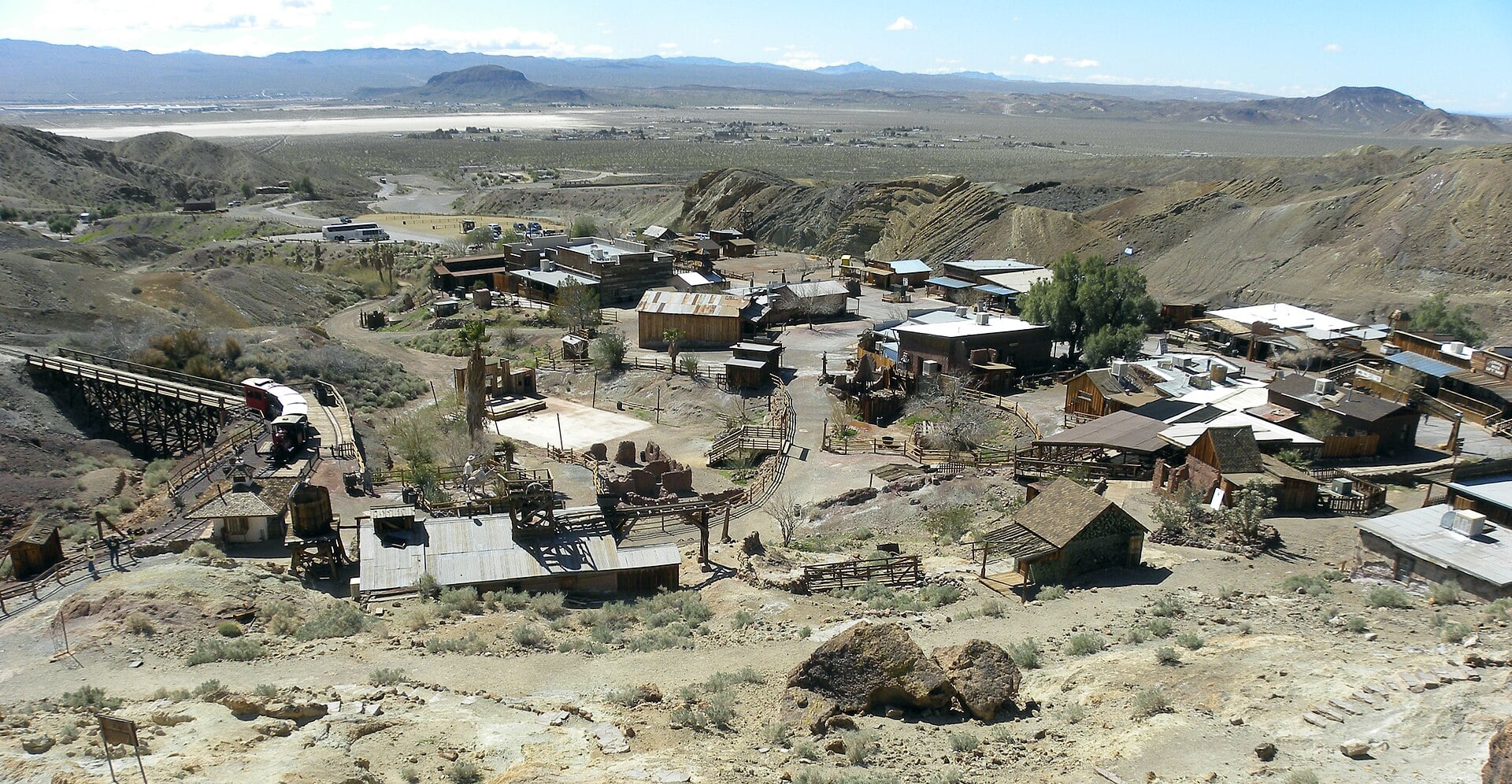
Yermo, CA
Calico was founded in 1881 as a silver mining boomtown in the Mojave Desert. The Silver King Mine became California's largest silver producer, generating 70% of the state's silver output during the mid-1880s. The town achieved peak prosperity before declining as silver prices collapsed.
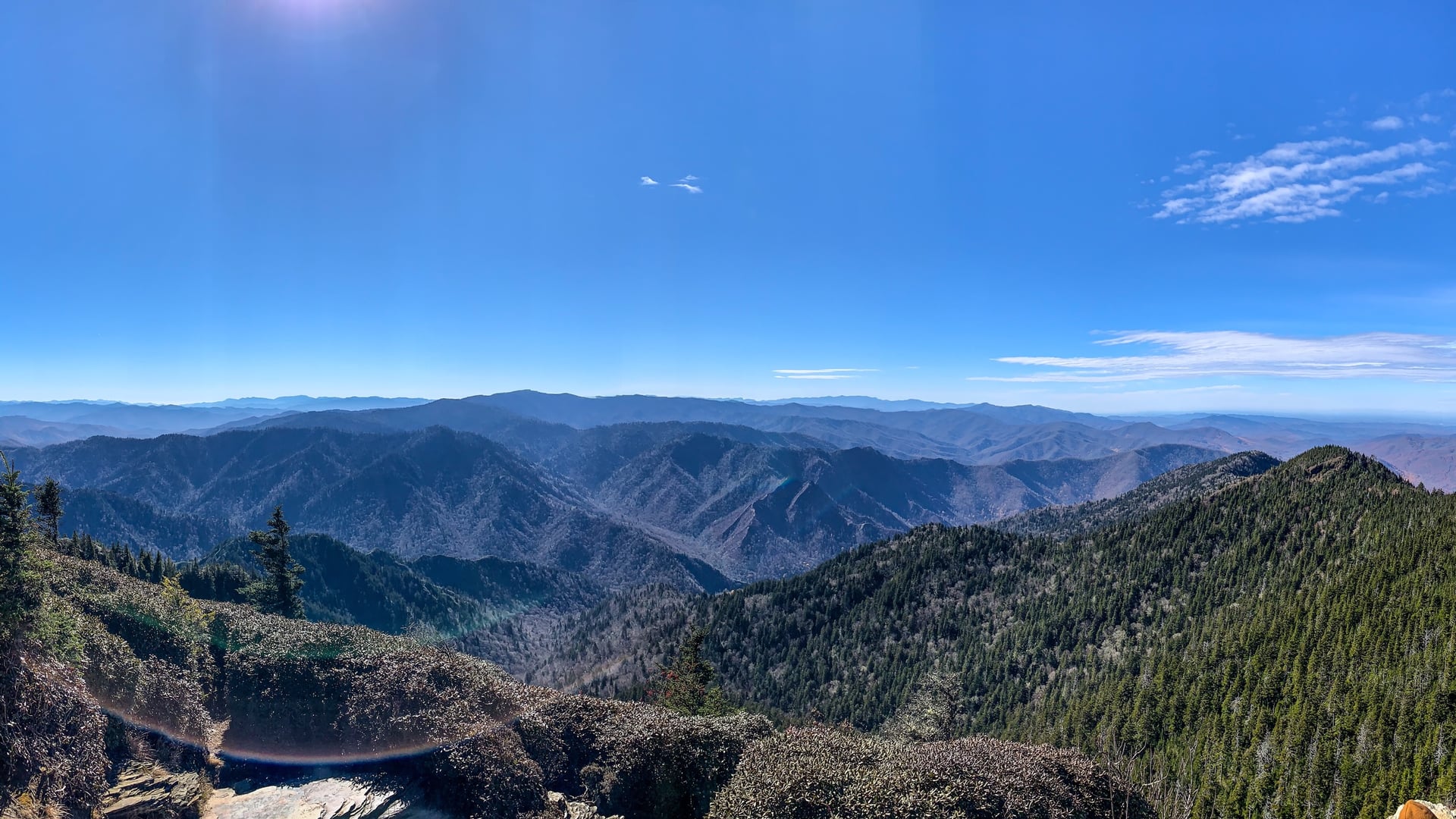
Gatlinburg, TN
Great Smoky Mountains National Park preserves 522,427 acres of southern Appalachian terrain across Tennessee and North Carolina. The land was the heart of the Cherokee Nation before forced removal in 1838 along what became the Trail of Tears, and home to Appalachian Scots-Irish and English settler communities through the early twentieth century. Congress authorized the park in 1926; it was formally dedicated by Franklin D. Roosevelt on September 2, 1940.
Delaware, OH
Blue Limestone Park in Delaware, Ohio, is a former limestone quarry that operated until the 1930s, then filled with water to become a swimming hole. The site features two connected limestone quarries separated by a historic tunnel through which the Delaware Run river flows. The park now functions as a public recreational and historical site approximately 26 miles north of Columbus.