Est. 1849 · 1849 Rural-Movement Cemetery · Iron Gates Designed by Architect Isaac Perry · Burial Site of Binghamton Founder Joshua Whitney · Burial Site of Medal of Honor Recipient Gen. John C. Robinson
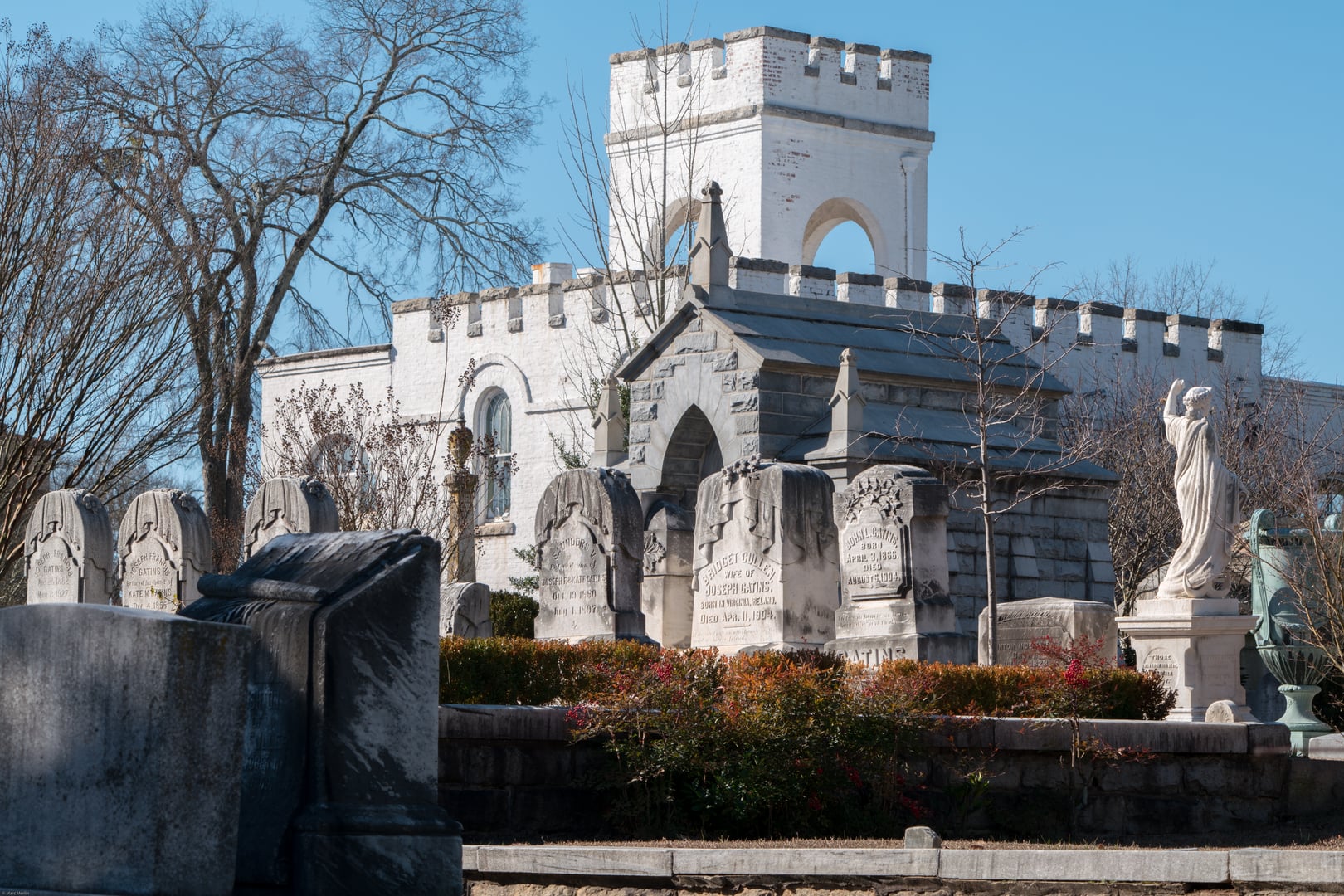
Spring Forest Cemetery was established in 1849 on the west side of Binghamton, laid out in the rural-cemetery style that was popular in the mid-nineteenth century. Rather than a crowded churchyard, the design favored winding drives, mature trees, and a landscaped setting where families could walk among the monuments.
The cemetery's iron entrance gates were designed by Isaac Perry, the Binghamton architect best known for designing the New York State Capitol's later work and the city's own "Castle" asylum building. Perry is buried within the cemetery he helped frame. Among the other notable interments is Joshua Whitney, the land agent and developer credited as a founder of Binghamton, along with many Civil War veterans drawn from the surrounding Broome County communities.
One of the most decorated people buried here is General John C. Robinson, a career army officer who received the Medal of Honor for his actions at the Battle of Laurel Hill during the 1864 Spotsylvania campaign, where he was severely wounded and lost a leg. Robinson later served as lieutenant governor of New York.
The cemetery remains an active burial ground and a documented part of Binghamton's history. The nearby Phelps Mansion Museum runs seasonal interpretive walking tours of the grounds, using the cemetery as a way to tell the story of the city's nineteenth-century residents.
Sources
- https://www.wicz.com/news/spring-forest-cemetery-a-walk-through-binghamtons-past/article_a1514e2b-ca1b-5cec-863d-03591139a3a9.html
- https://en.wikipedia.org/wiki/John_C._Robinson
ApparitionsDisembodied voicesCold spotsElectronic device malfunctions
Spring Forest Cemetery turns up regularly in local coverage of Binghamton's reputedly haunted places. The reports follow the pattern common to old rural cemeteries: visitors describe figures glimpsed among the monuments, faint voices with no obvious source, sudden cold spots on warm days, and cameras or phones that drain or behave erratically near certain graves.
The lore is tied to the age and scale of the grounds rather than to any single named ghost. With burials reaching back to 1849 and a roster that includes Civil War dead and the city's early founders, the cemetery carries the kind of history that local ghost-walk and paranormal-listing writers gravitate toward.
The Phelps Mansion Museum's interpretive tours focus on documented history rather than the paranormal claims, but the cemetery's reputation has made it a recurring stop for area ghost enthusiasts. The reported phenomena are anecdotal and unverified, drawn from visitor accounts collected in regional news features and paranormal compilations.