Est. 1845 · Warren County seat of justice 1845–1963 · Original iron-barred basement jail cells intact · Now operated as the Lake George Historical Association museum · Free public museum serving the Lake George region
The 1845 Warren County Courthouse occupies a prominent corner in Lake George Village, one of the few 19th-century civic buildings in the area that has survived largely intact. Built of brick in a Federal-influenced style, the three-story structure served as the legal and administrative center of Warren County through more than a century of regional history.
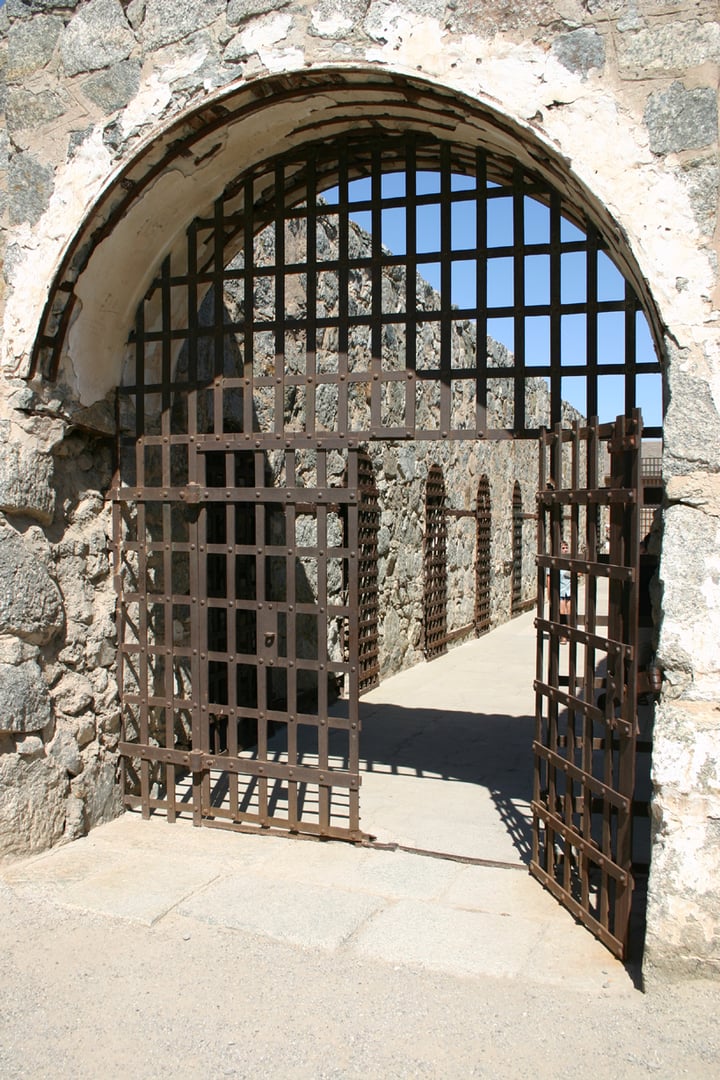
The courthouse handled the full spectrum of 19th- and early 20th-century criminal justice in the Adirondack resort region: property crimes, assaults, occasionally more serious cases. The basement jail cells, with their original iron bars, held prisoners awaiting trial — sometimes for extended periods, given the court's seasonal calendar. There are no documented executions at the courthouse itself; Warren County sent its capital cases to the state, but the building's holding function meant that people accused of serious crimes passed through its lower level regularly across 118 years of operation.
When Warren County's new courthouse opened in 1963, the old building was no longer needed for its original purpose. The Lake George Historical Association eventually took it over and has operated it as a regional history museum, preserving local artifacts, documents, and collections related to the Lake George area from the French and Indian War through the 20th century. The building also hosts the Lake George Arts Project.
Museum admission is free and sustained by donations.
Sources
- https://www.lakegeorgehistorical.org
- https://www.lakegeorgeexaminer.com/ghost-tours-delve-into-the-old-county-courthouses-haunted-past/
- https://www.visitlakegeorge.com/blog/post/haunted-and-mysterious-lake-george-area/
Suffocating supernatural presence in basement jail cellsUnexplained sounds on staircasesApparitions reported in judge's chambersMovement seen near the courtroom area
The most specific paranormal accounts from the old Warren County Courthouse focus on the basement. The iron-barred jail cells, intact from the building's courthouse years, are consistently described by visitors as producing a sensation of difficulty breathing — a constricting, pressure-based experience attributed to a supernatural presence rather than any physical obstruction. Staff who work in the building have described the cells as the most oppressive space in a building that has more than its share of oppressive spaces.
On the upper floors, accounts shift to sensory phenomena: unexplained sounds on the creaking staircases, apparitions reported in the judge's chambers, and movement seen near the courtroom. The building's acoustics — old wood, plaster walls, uneven floors — produce genuine ambient noise, which complicates evaluation, but the judge's chambers accounts have been consistent enough that they appear in the museum's own tour materials.
The Lake George Historical Association has leaned into the building's reputation, offering Wednesday ghost tours in August and Friday-Saturday tours through October, limited to ten people per tour at $15 per ticket. All proceeds support the nonprofit. A more intensive session in late October brings in Finding Dystopia, a local paranormal research group, for a Halloween-season investigation that visitors can attend.
The Lake George tourism bureau documents the courthouse hauntings on its official site, and the building appears in regional haunted-places surveys going back at least a decade.
Where this legend is told