Est. 1800 · Built c.1800 for Valentine Hicks, Quaker abolitionist and second president of the Long Island Rail Road · Documented Underground Railroad station with concealed stairway and false-bottomed wagon · Son-in-law of Elias Hicks, nationally known Quaker preacher · Viewing grandstand for the Vanderbilt Cup Races, early 1900s · Local landmark designation, 2012
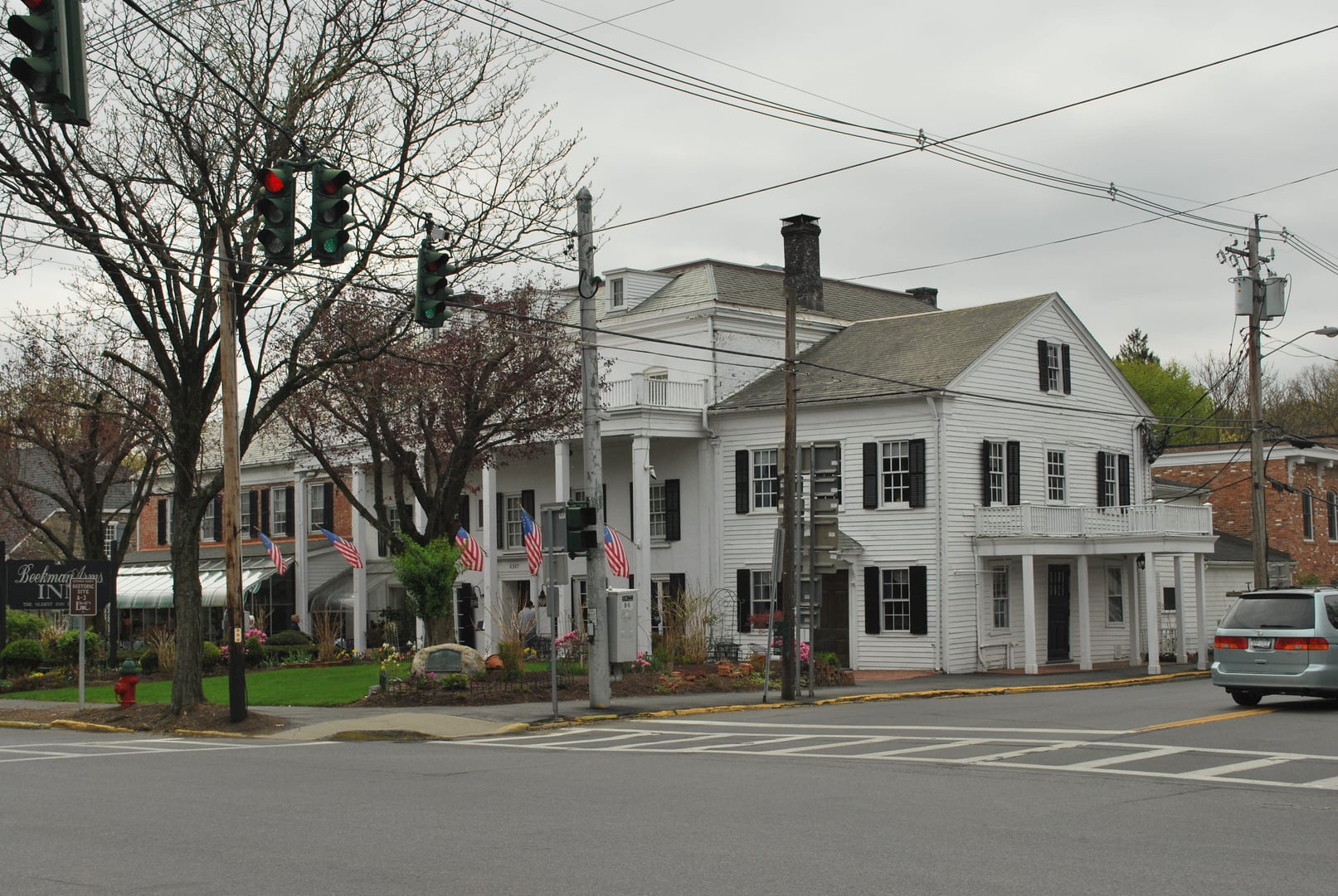
The building at 4 Old Jericho Turnpike was constructed around 1800 as the home of Valentine Hicks, a Quaker farmer and businessman who would become one of Long Island's most prominent abolitionists. Hicks was the son-in-law of Elias Hicks, the nationally known Quaker preacher and antislavery advocate who gave his name to the Hicksite branch of the Society of Friends.
Valentine Hicks later became the second president of the Long Island Rail Road. The property served as a station on the Underground Railroad — a documented function based on the building's physical features: a concealed stairway behind a linen closet leading to an attic shelter, and a wagon with a false bottom filled with flax and hay used to move those seeking freedom along the route. The Quaker community's religious commitment to human equality drove these efforts across Long Island.
The building also served as a grandstand viewing location for the Vanderbilt Cup Races, early 20th-century automobile competitions that attracted large crowds to Long Island's roads.
Through the latter half of the 20th century the building operated as the Maine Maid Inn, a restaurant popular for banquets and gatherings. It closed around 2009, fell into foreclosure, and deteriorated. In 2012 the Oyster Bay Town Board designated it a local landmark, protecting its exterior. The building was subsequently renovated and operated briefly as One North, a Mediterranean restaurant, before that also closed.
Sources
- https://patch.com/new-york/plainview/tobay-board-lectured-on-jericho-landmark
- https://patch.com/new-york/plainview/historic-maine-maid-inn-designated-as-landmark
- http://urrteachingpartnership.com/works/the_maine_maid_inn_7
- https://theclio.com/entry/135834
Banging sounds from within sealed or hidden roomsUnexplained footsteps in unoccupied sections of the buildingVoices heard from concealed stairway and attic spacesApparitions seen inside the building and in surrounding grounds
The Maine Maid Inn's paranormal reputation is concentrated in the building's hidden architectural features — the concealed stairway behind a linen closet and the attic spaces used during its Underground Railroad period — areas that had been sealed for years by the time investigators and employees began reporting experiences there.
Long Island Paranormal Investigators conducted documented sessions at the property during its operating years. Their recorded findings included banging sounds from within walls and sealed rooms, unexplained footsteps in sections of the building with no one present, and voices heard from the hidden spaces. Former employees reported their own experiences working in the building: apparitions seen inside the inn and in the surrounding yard.
The building's history — shelter for people attempting escape from enslavement, generations of inn operation, periods of abandonment — has layered associations that support its local haunted reputation. The inn is a regular entry in Long Island paranormal directories and was included in regional ghost guides before its closure.
No famous named figures are associated with the haunting accounts. The reported phenomena are consistent with the building's function: footsteps, voices, and activity in confined or hidden spaces.
Notable Entities
Valentine Hicks (1782–1865) — Quaker abolitionist, Underground Railroad stationmaster, second president of the Long Island Rail Road
Where this legend is told