Cooper Family Estate History · James Fenimore Cooper Heritage · National Baseball Hall of Fame · New York State Haunted History Trail
Cooperstown sits at the foot of Otsego Lake in the Susquehanna River headwaters, platted and settled by Judge William Cooper in the 1790s and incorporated as a village in 1807. William Cooper's son James Fenimore Cooper — author of the Leatherstocking Tales — grew up here, and the Cooper family's network of estates, churches, and burial grounds spread across the village and its surroundings over the following century.
The Christ Church, at the head of the village's main cemetery, served as the Cooper family's primary place of worship. The graveyard holds Cooper family members alongside servants and, by documented records, enslaved individuals from the estate household. The nearby River Street corridor contains three houses once owned by Cooper family descendants: Byberry Cottage, Greencrest, and Pomeroy Place — each documented as a tour stop.
Hyde Hall, a 200-year-old residence on the eastern shore of Otsego Lake, is attributed in tour materials to the British Clarke family and is described as independently haunted, with reported phenomena distinct from the Cooper estate accounts.
The National Baseball Hall of Fame opened in 1939 and has become the village's best-known landmark. In 2010, the Syfy channel program Ghost Hunters filmed an investigation inside the Hall, producing broadcast documentation of the building's paranormal claims that brought significant public attention to Cooperstown's broader reputation for haunted sites.
Cooperstown Candlelight Ghost Tours has operated year-round since its founding, offering nightly tours from April through October and seasonal availability the rest of the year.
Sources
- https://discoverupstateny.com/cooperstown-candlelight-ghost-tours/
- https://hauntedhistorytrail.com/explore/cooperstown-candlelight-ghost-tours
ApparitionsPhantom soundsUnexplained activity
The Christ Church Graveyard is described on the tour as haunted by spirits connected to the Cooper family household, including servants and enslaved individuals whose presence in Cooperstown's historical record is otherwise underrepresented in the village's public heritage. The graveyard's proximity to the church the Cooper family attended and funded gives the site documentary grounding, even if the specific paranormal accounts rest on oral tradition and guide framing.
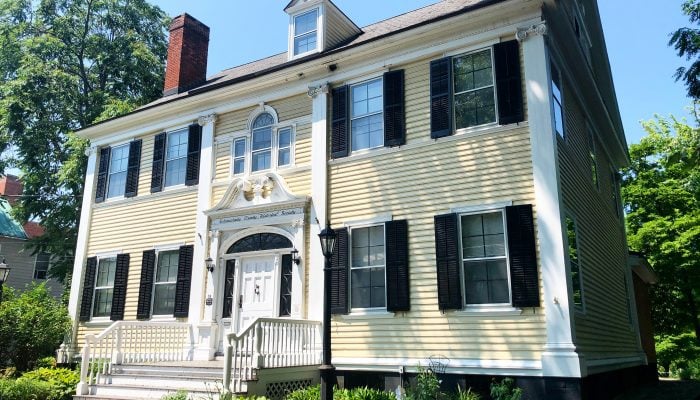
River Street is the tour's central corridor. Three houses on that street — Byberry Cottage, Greencrest, and Pomeroy Place — are identified as former Cooper family properties with documented haunting reputations. Each house has been in use since the nineteenth century, and each carries a distinct account reported to tour guides over the years of operation.
Hyde Hall, the two-hundred-year-old Clarke family residence on Otsego Lake, appears on the tour as a separately-sourced haunted site, associated with the British family that built and occupied it in the Federal period. The accounts from Hyde Hall are treated as independent from the Cooper estate material.
The National Baseball Hall of Fame occupies a 1939 building that became the subject of broadcast paranormal investigation in 2010 when Ghost Hunters filmed inside. The episode is referenced on the tour as the best-documented media treatment of the Hall's paranormal claims, though the specific phenomena described on the show — unexplained sounds and equipment anomalies in the gallery spaces — are common to many museum investigations.
Notable Entities
Cooper family servants and enslaved household members (Christ Church Graveyard)Clarke family (Hyde Hall)
Media Appearances
- Ghost Hunters (Television, 2010)
Where this legend is told