Est. 1700 · Colonial Disease History · French and Indian War Era · Town Founding · Warren County Heritage
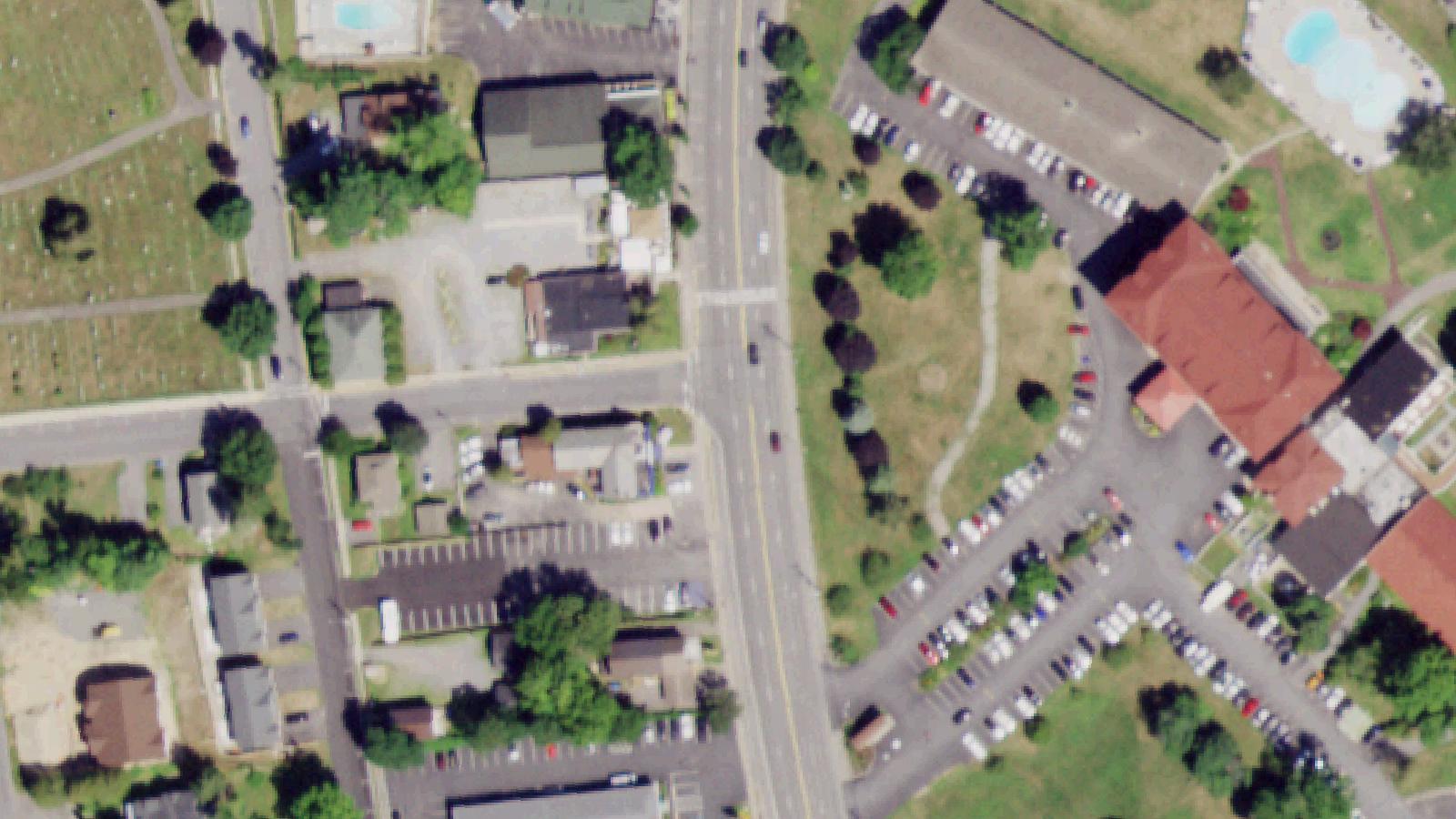
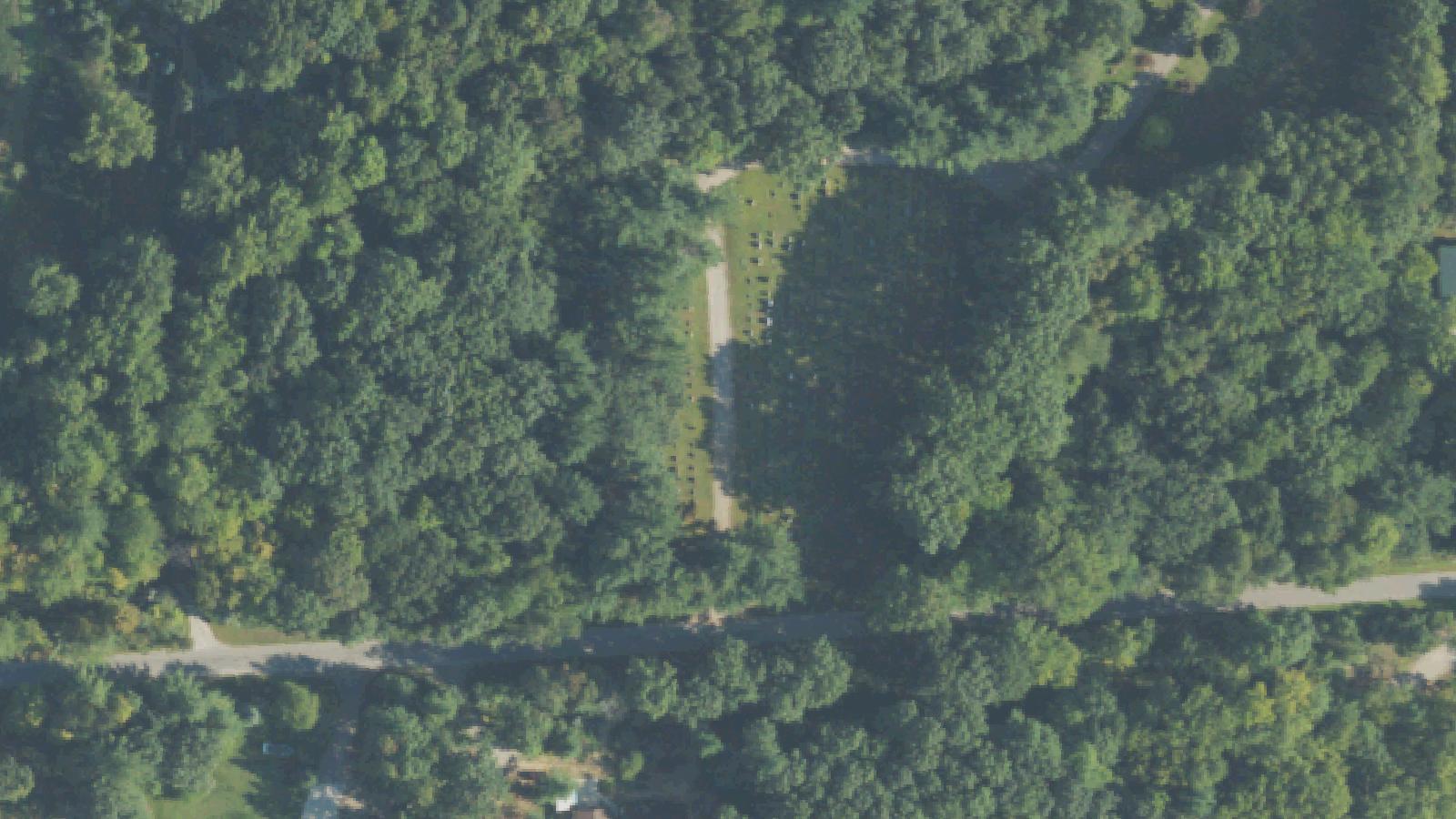
The plot of land on Mohican Street in what is now Lake George village has a burial history stretching back to the colonial era. During the French and Indian War period, the area surrounding Fort William Henry saw repeated epidemic outbreaks, and those who died of smallpox were interred in ground that would eventually become Caldwell Cemetery. Markers on the property date to the 18th century, making this one of the older documented burial sites in Warren County.
The cemetery takes its name from James Caldwell (1747–1829), a Donegal County, Ireland immigrant who built a successful retail merchant business in Albany, New York. In his later years, Caldwell concentrated his attention on his Lake George landholdings, and in 1810 he formally established the Village of Caldwell, later renamed Lake George. He died in Albany in 1829, but in 1855 the Caldwell family's remains—including James—were relocated from Albany to the Mohican Street cemetery, giving the site its permanent name.
Local historian and author Lynda Lee Macken has written about the cemetery's atmosphere and its long connection to both colonial violence and the founding of the modern community. The cemetery's layered identity—colonial mass grave beneath a founding-family burial ground—makes it one of the more historically dense sites in Warren County.
Sources
- https://www.lakegeorgeexaminer.com/haunted-places-lake-george-village/
- https://www.visitlakegeorge.com/blog/post/haunted-and-mysterious-lake-george-area/
- https://www.findagrave.com/memorial/93853794/james-caldwell
Phantom musket fireSmell of burnt gunpowderSoldier apparitionsOrange glow around tomb
Paranormal accounts at Caldwell Cemetery cluster around two distinct phenomena. The first is sensory: visitors describe the smell of burnt powder and the sound of musket fire while walking the paths between headstones—residual impressions consistent with a site that overlays a colonial-era smallpox burial ground and was close to the blood-soaked grounds of Fort William Henry. Apparitions of men in soldier uniforms have also been reported, appearing briefly before dissolving.
The second and more unusual report involves James Caldwell's tomb specifically. Author Lynda Lee Macken has written that she witnessed the burial vault glowing orange as a teenager, a detail she later revisited in her work on Lake George paranormal history. Speculation about the cause of the glow has included Caldwell's Presbyterian faith placing him at an uncomfortable sectarian remove from the Catholic ground nearby, though no definitive explanation has been documented. The phenomenon has been reported by others since Macken's original account.
The combination of a colonial disease-death site beneath a 19th-century founding-family cemetery—both layered into the same few acres—gives investigators and casual visitors an unusually compressed set of historical overlays to contend with.
Notable Entities
James CaldwellUnnamed colonial soldiers
Where this legend is told