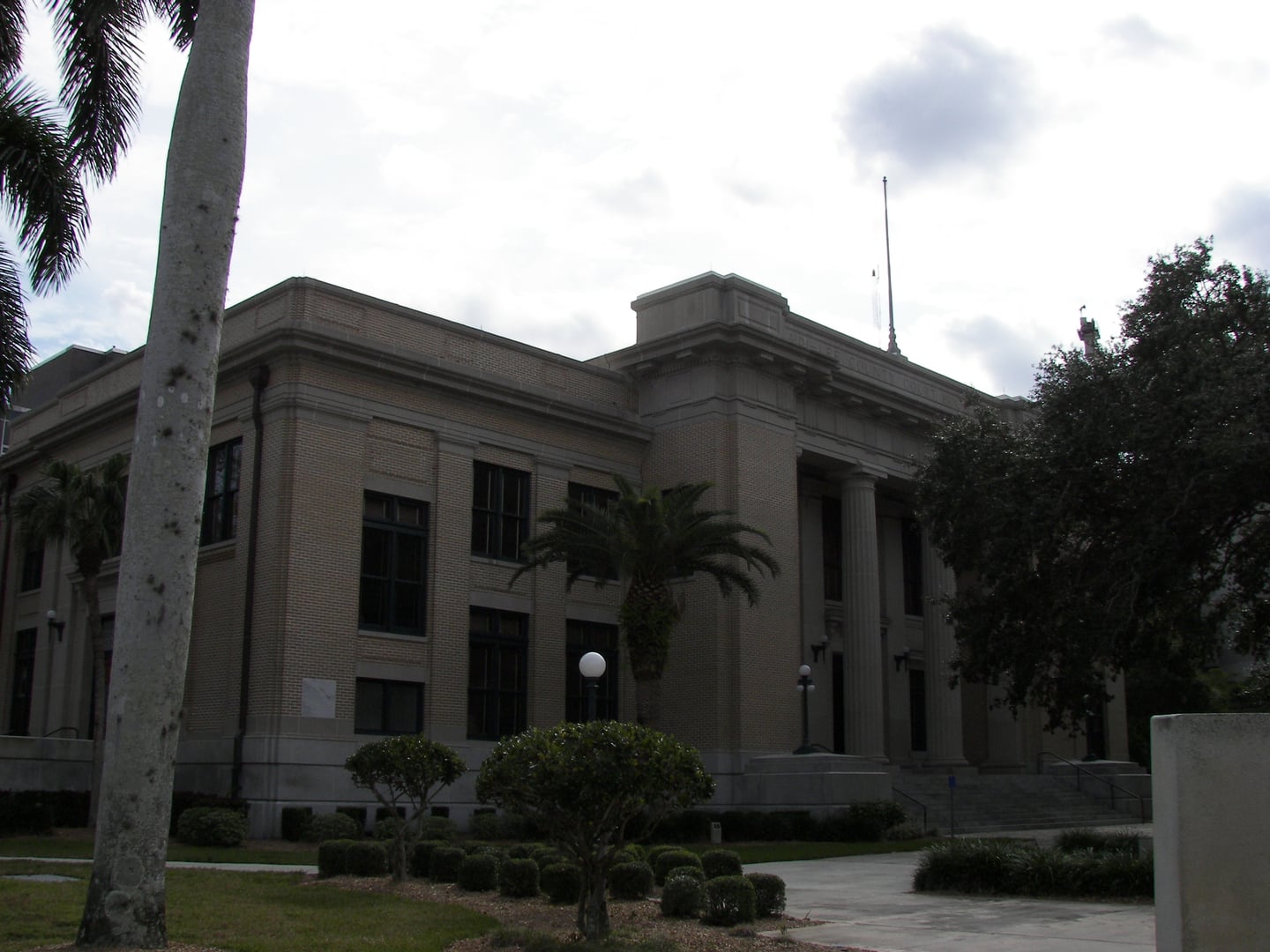
Est. 1871 · Worst disaster in Brooklyn history by death toll — at least 278 killed · Fire of December 5, 1876 during a performance of 'The Two Orphans' · 103 unidentified victims in mass grave at Green-Wood Cemetery (obelisk still standing) · Replacement theater Haverly's reportedly abandoned due to haunting; failed within a decade · Site now absorbed into Cadman Plaza; no memorial marker at the original location
The Brooklyn Theatre opened in 1871 and was, by 1876, considered one of the finest theaters in the United States. On the evening of December 5, 1876, approximately 1,000 people attended a performance of 'The Two Orphans.' Shortly after 11:15 PM, during the final act, a canvas set piece backstage came in contact with a gas border lamp and caught fire. When an usher opened a rarely-used exit, the rush of cold air fed the flames and transformed the upper reaches of the theater into a death trap.
Most of the 278 or more victims died in the family circle — the topmost gallery, where the cheapest seats were sold. The narrow exit stairwells became fatal chokepoints as hundreds tried to flee simultaneously; most died from suffocation or were crushed in the panic. The New York Times reported it as unprecedented in American peacetime disasters outside of shipwrecks and war. A makeshift morgue was established at Adams Street. One hundred and three unidentified victims were interred together in a mass grave at Green-Wood Cemetery, marked by an obelisk. More than two dozen identified victims were buried at the Cemetery of the Evergreens.
Haverly's Theatre was erected on the same site in 1879, described as majestic. According to contemporary accounts collected by the Bizarre Journal and the Bowery Boys, the building quickly developed a reputation for haunting: locals reported phosphorescent lights through the windows at night, and a janitor reportedly quit after seeing dead actors performing on the stage in the late hours. The middle and working classes who formed the Brooklyn Theatre's original audience refused to attend. Haverly's was demolished eleven years later to make way for the offices of the Brooklyn Daily Eagle. Mid-20th-century urban renewal absorbed the entire block into what became Cadman Plaza, and no marker commemorates the theater fire at the site today.
Sources
- https://en.wikipedia.org/wiki/Brooklyn_Theatre_fire
- https://www.boweryboyshistory.com/2011/12/wretched-anniversary-brooklyn-theater.html
- https://www.bklynlibrary.org/blog/2021/12/06/brooklyn-theatre-fire
Phosphorescent lights visible through windows of replacement theater at nightDead actors reportedly seen performing on empty stage by janitorAudience refusal attributed to perceived haunting
The ghost tradition at the Brooklyn Theatre fire site is unusually well-anchored for an urban dark-history location: it does not begin with modern paranormal investigators but with the reported failure of a commercial business in the 1880s.
According to accounts collected in the Bizarre Journal's 2016 Brooklyn haunting overview and referenced in the Bowery Boys' coverage, after Haverly's Theatre opened in 1879 on the same site as the burned theater, local residents and building staff reported phosphorescent lights visible through the windows late at night when the building was empty. A janitor — unnamed in available sources — reportedly quit his position after encountering what he described as several dead actors performing on the stage in the late hours. Contemporary accounts describe both the middle class and the working-class audiences who had frequented the original Brooklyn Theatre refusing to patronize Haverly's; they, too, 'knew all about the ghosts.' The theater was demolished after roughly eleven years.
No modern paranormal investigation of the Cadman Plaza site has been published in reliable sources, which is unsurprising given that the original block was razed in the mid-20th century. The Green-Wood Cemetery mass grave, three miles south, is the most accessible physical remainder of the 1876 disaster.
Where this legend is told