Est. 1870 · Silver Mining Era Violence · Lincoln County Nevada History · Boot Hill Tradition
Pioche was founded in the late 1860s, named for French financier Francois L.A. Pioche, who held some of the earliest mining claims in the area. Silver was the draw, and thousands of miners flooded into Lincoln County, Nevada, bringing with them the attendant violence of competing claim interests, minimal law enforcement, and cash-fueled saloon culture.
By the early 1870s, Pioche was drawing comparisons to Tombstone — except the killing happened at a higher rate. Local accounts held that 72 men died violently before the first natural-cause death was recorded, and the toll included multiple killings in a single week on several occasions. The causes: disputed mining claims, corrupt officials reportedly collecting $40,000 annually in bribes, and routine brawls that ended with weapons rather than fists.
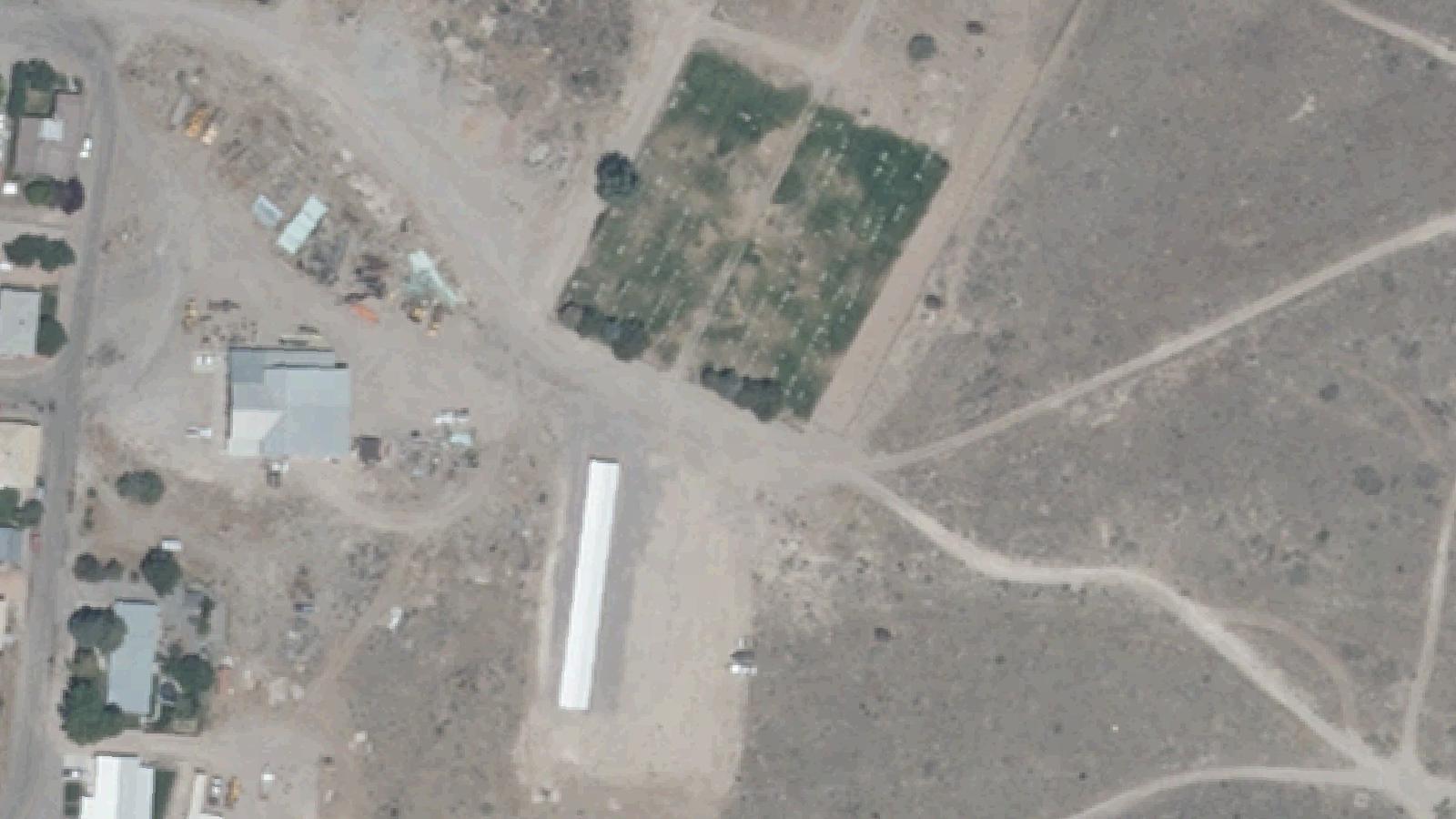
Boot Hill was established at the edge of town to handle the volume. The cemetery's most notable feature is 'Murderer's Row,' a designated section holding more than 100 graves of alleged murderers. Many of these graves are unmarked or marked only with fieldstones. Where markers do exist, they frequently include the deceased's name, the offense, and the cause of death — a frank accounting unusual in 19th-century American cemetery practice.
The cemetery sat largely unattended for decades. It was registered as a Nevada historical site, and the Pioche Chamber of Commerce now maintains basic visitor information. The graves on Murderer's Row remain as they were placed, undisturbed and in many cases unidentified, on the hillside above town.
Sources
- https://travelnevada.com/historical-interests/boot-hill-cemetery/
- https://piochenevada.com/things-to-do/boot-hill/
- https://www.hmdb.org/m.asp?m=89454
Sensed presenceUnexplained cold spotsAuditory anomaliesGeneral unease
Given the scale of violent death recorded in Pioche between 1870 and 1880, Boot Hill's haunted reputation is more ambient than dramatic. There is no single famous ghost, no documented incident in a specific numbered grave. The claim, repeated consistently in regional travel accounts, is that the density of unmarked, unreclaimed violent death produces an atmosphere that visitors register physically — unease, sudden cold, a reluctance to linger.
The Lincoln County Museum in Pioche keeps informal records of visitor accounts from Boot Hill and the surrounding historic district, including the cemetery. These accounts focus less on apparitions than on auditory anomalies and the sensation of being observed. The museum has not published these records, but staff reference them regularly when discussing the cemetery with visitors.
Murderer's Row specifically draws the most reports. The 100-plus graves in this section hold men executed by vigilante action, killed in bar fights, or shot in claim disputes — many of whom were buried immediately, without identification, by whoever was left standing. The anonymity of those burials is a consistent element in the site's local lore: no one came to identify the body, no one claimed the grave, and no stone was placed. The argument made by local historians is that the lack of ceremony matters — that the unprocessed violence attached to these graves persists in some form that visitors can detect.
Where this legend is told