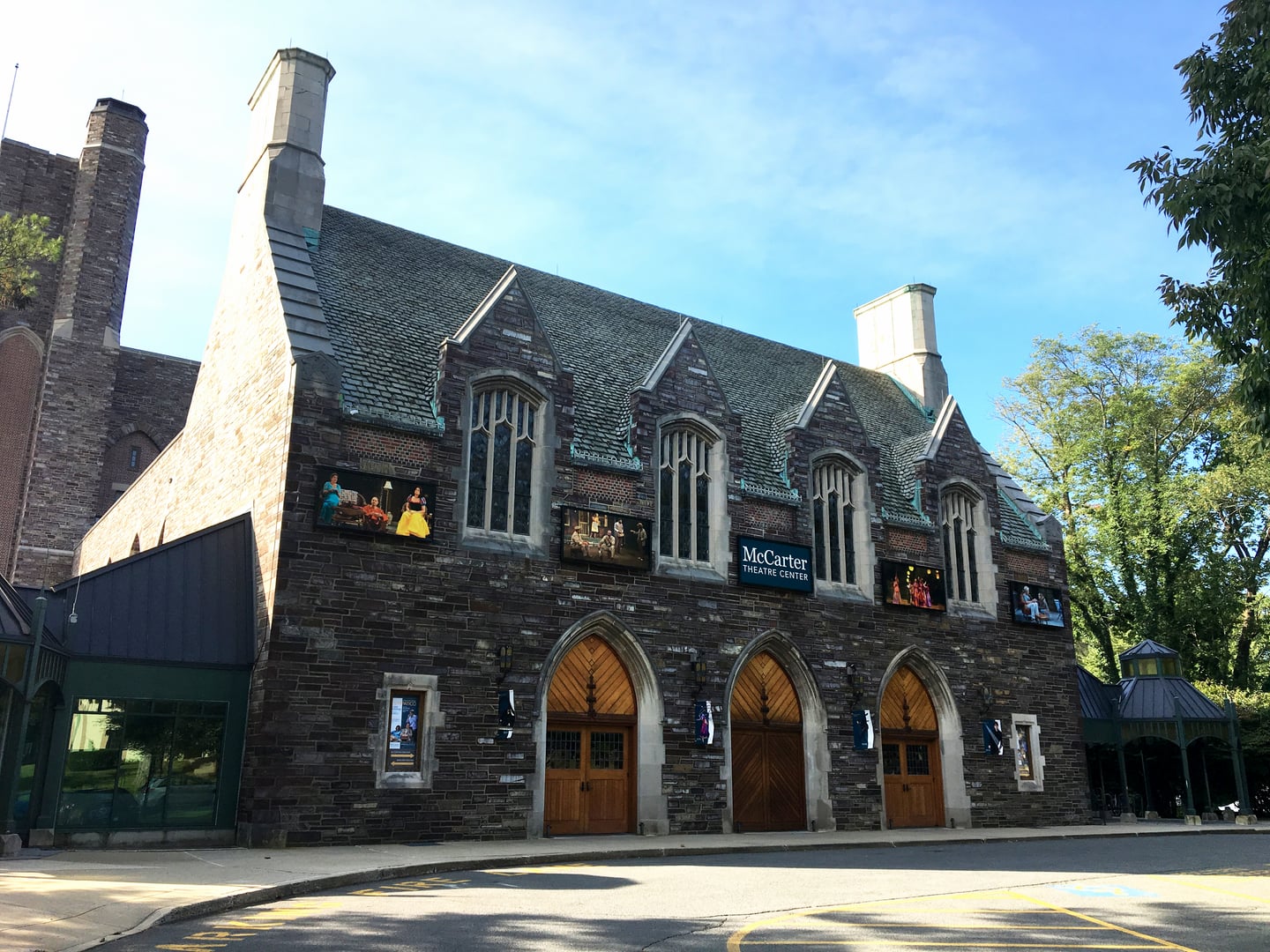
Est. 1879 · Built with bequest from Hamilton Murray, who drowned in the 1873 SS Ville du Havre disaster · Lobby brass plaque marks the latitude/longitude of the shipwreck · Home to Theatre Intime, one of the oldest student theater organizations in the US (founded 1919) · SS Ville du Havre sinking killed approximately 226 people
Hamilton Murray graduated from Princeton and maintained ties to the university throughout his adult life. On November 22, 1873, he was a passenger aboard the French transatlantic liner SS Ville du Havre, traveling across the North Atlantic. At approximately 2:00 AM, the iron sailing ship Loch Earn struck the Ville du Havre amid shipping lanes in the central Atlantic. The liner sank within 12 minutes. Murray drowned, along with his sister Martha and their companion Mrs. C.A. Platt. Approximately 226 people died in the sinking.
A detail that has attached itself to the Murray story at Theatre Intime is that he wrote his will the night before the voyage or, in some tellings, the night before the accident itself — leaving $20,000 to Princeton University for the construction of a building. That building, Murray Hall, was completed in 1879 as a chapel.
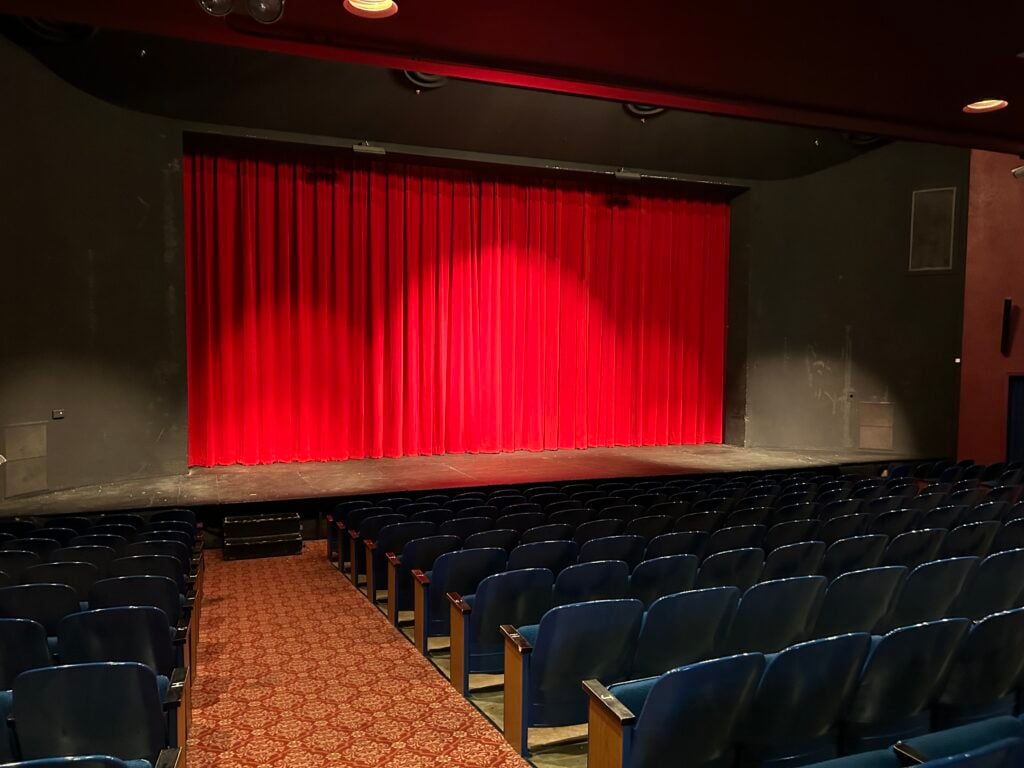
The 189-seat Hamilton Murray Theater within Murray-Dodge Hall has been home to Theatre Intime since the 1920s. Theatre Intime, founded in 1919, is one of the oldest student theater organizations in the United States and operates as an entirely student-run not-for-profit. The theater underwent a full renovation in 2014, adding air conditioning while retaining its intimate character.
The lobby of the theater contains a brass plaque displaying the precise latitude and longitude of the point in the North Atlantic where the Ville du Havre sank — a detail that turns the building's founding document, the drowning, into a navigational fact embedded in the theater's physical space.
Sources
- https://www.theatreintime.org/history/
- https://en.wikipedia.org/wiki/Theatre_Intime
- https://en.wikipedia.org/wiki/SS_Ville_du_Havre
- https://www.findagrave.com/memorial/25912042/hamilton-murray
Apparition of Hamilton Murray appearing stage left during performances
The Murray ghost account is unusual in paranormal lore for its precision: the apparition appears stage left, not at an unspecified location in the building, and it appears during performances — while living actors are present on stage — rather than in an empty theater. The specificity suggests witness reports that crystallized into a repeatable story rather than diffuse atmospheric haunting claims.
Princeton Magazine's documentation of the city's haunted places notes that Murray's ghost used to appear stage left but acknowledges it has been 'a while' since any audience or staff reported seeing the apparition. That temporal framing — a ghost whose sightings have become less frequent — is unusual in ghost tour narratives, which typically omit such qualifications.
The founding story gives the haunting its emotional logic: Murray wrote his will the night before the Ville du Havre crossing and was dead within days, his $20,000 bequest building a theater he would never attend. Whether that narrative weight is what generates the stage-left appearances or simply what explains them after the fact is a question the tour guides leave open.
Notable Entities
Hamilton Murray (1850-1873) — drowned in 1873 SS Ville du Havre sinking; building's founding patron
Where this legend is told