Est. 1828 · Site of the 1935 Hauptmann Trial — 'Trial of the Century' · Largest single media event in American history to that date · National Register of Historic Places · Active courthouse since 1828
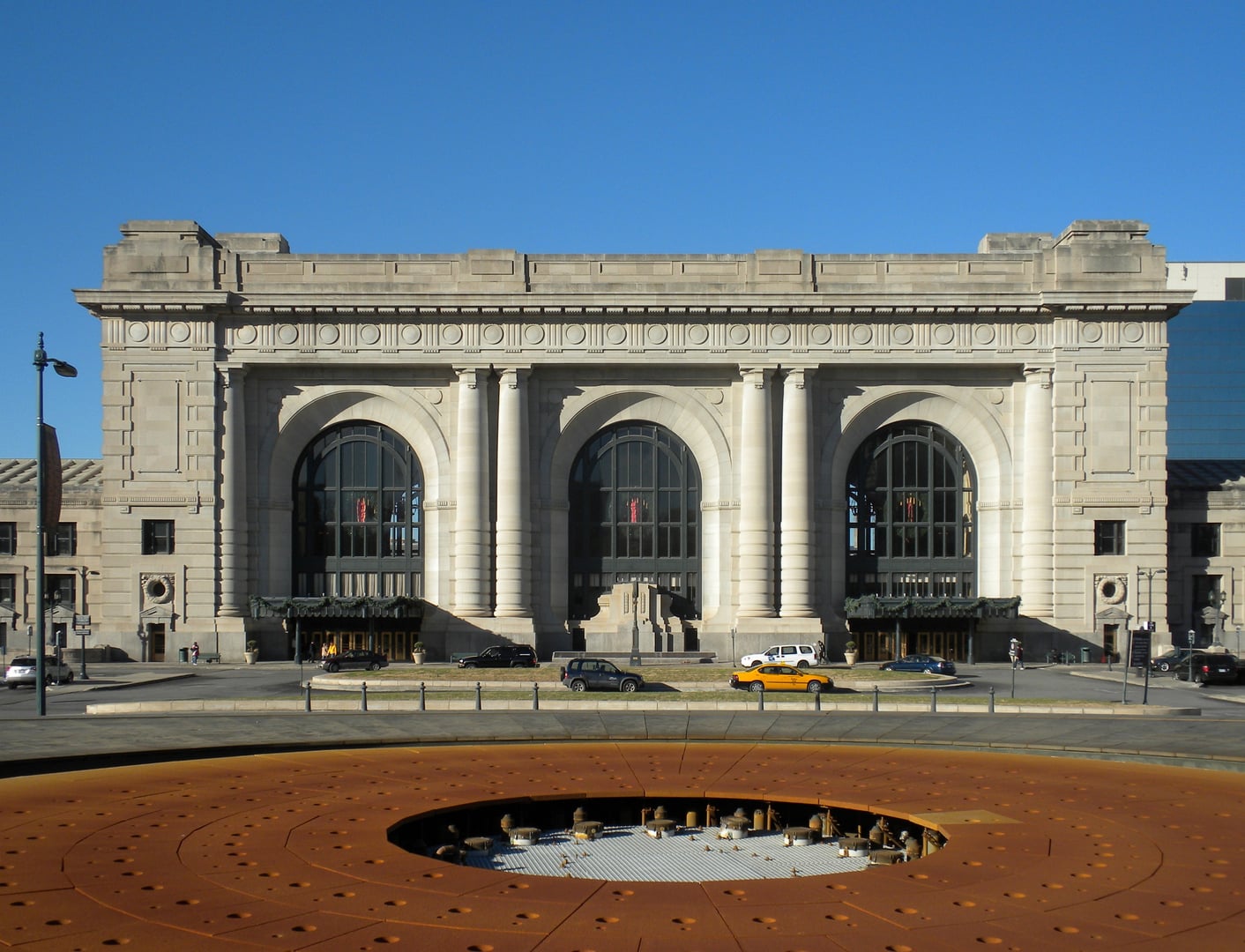
The building at 65 Park Avenue in Flemington was completed in 1828, designed in the Greek Revival style that was then fashionable for civic structures intended to project institutional authority. It has functioned as an active courthouse continuously since its construction, handling the routine civil and criminal business of Hunterdon County through nearly two centuries.
The courthouse's permanent place in American legal history came in January and February of 1935 when Bruno Richard Hauptmann, a German-born carpenter, was tried here for the kidnapping and murder of Charles Augustus Lindbergh Jr. Charles Lindbergh — whose 1927 transatlantic solo flight had made him the most famous American of his era — and his wife Anne had returned from a dinner engagement on the night of March 1, 1932, to find their 20-month-old son missing from his second-floor nursery at Hopewell, New Jersey. A ransom note was left. Despite the payment of $50,000 in ransom, the child's body was found in the woods near the Lindbergh estate in May 1932.
Hauptmann was identified through the serial numbers of the gold certificates used in the ransom payment. His trial before Judge Thomas W. Trenchard in the Flemington courthouse was a spectacle of early media saturation: radio carried portions of the proceedings, newspaper reporters occupied every available seat, and the courthouse grounds became an extended carnival. Eighty-seven thousand people descended on Flemington during the trial weeks. H.L. Mencken called it 'the greatest story since the Resurrection.'
Hauptmann was convicted of first-degree murder on February 13, 1935, and executed in the electric chair at Trenton State Prison on April 3, 1936, maintaining his innocence to the end. The case has remained contested, with some researchers arguing that the evidence was circumstantial or planted; the trial transcript and physical evidence remain subject to periodic reanalysis. The courthouse building is listed on the National Register of Historic Places.
Sources
- https://en.wikipedia.org/wiki/Hunterdon_County_Courthouse
- https://njmonthly.com/articles/jersey-living/the-case-that-wont-quit/
- https://www.theaquarian.com/2010/11/17/weird-nj-an-unexpected-haunting-more/
Unexplained lights in courthouse at nightReported presence attributed to Hauptmann
The ghost tradition at the Hunterdon County Courthouse is modest compared to the trial's historical weight, but consistent enough to surface in two independent sources from different angles. The primary reported phenomenon is lights appearing in the courthouse building at night — interior lights visible from the street, turning on without apparent cause when the building should be unoccupied. Local residents and passersby have attributed these to the lingering presence of Bruno Hauptmann.
The Weird NJ coverage from 2010 documented this tradition as part of a broader survey of Flemington's paranormal landscape, noting the courthouse as a site where neighbors had reported the unexplained nighttime lighting over multiple years. The claim is not spectacular by paranormal standards, but the specificity — a particular building, a particular time of night, a consistent phenomenon — makes it more credible than general atmospheric claims.
Flemington ghost walk programs incorporate the courthouse as a primary stop, framing the Hauptmann trial not just as legal history but as an event that fundamentally altered the character of the town — the crowds, the carnival atmosphere, the media saturation, and then the quiet after the verdict. Several Flemington residents quoted in local accounts describe the trial as an event the town never fully recovered from emotionally. Whether or not Hauptmann haunts the building, the trial's shadow on Flemington is documented.
Notable Entities
Bruno Richard Hauptmann
Where this legend is told