Est. 1896 · Late-1890s coastal-defense fort on the Delaware River · Part of a three-fort system guarding Philadelphia · Named for Major General Gershom Mott · New Jersey state park since 1951
Fort Mott was constructed beginning in 1896 as one leg of a three-fort defensive system guarding the Delaware River approach to Philadelphia and Wilmington. Across the river sat Fort Delaware on Pea Patch Island; downstream in Delaware was Fort DuPont. Together the three were meant to bring crossfire to bear on any hostile vessel attempting to run upriver. Fort Mott was named for Major General Gershom Mott, a New Jersey officer of the Civil War.
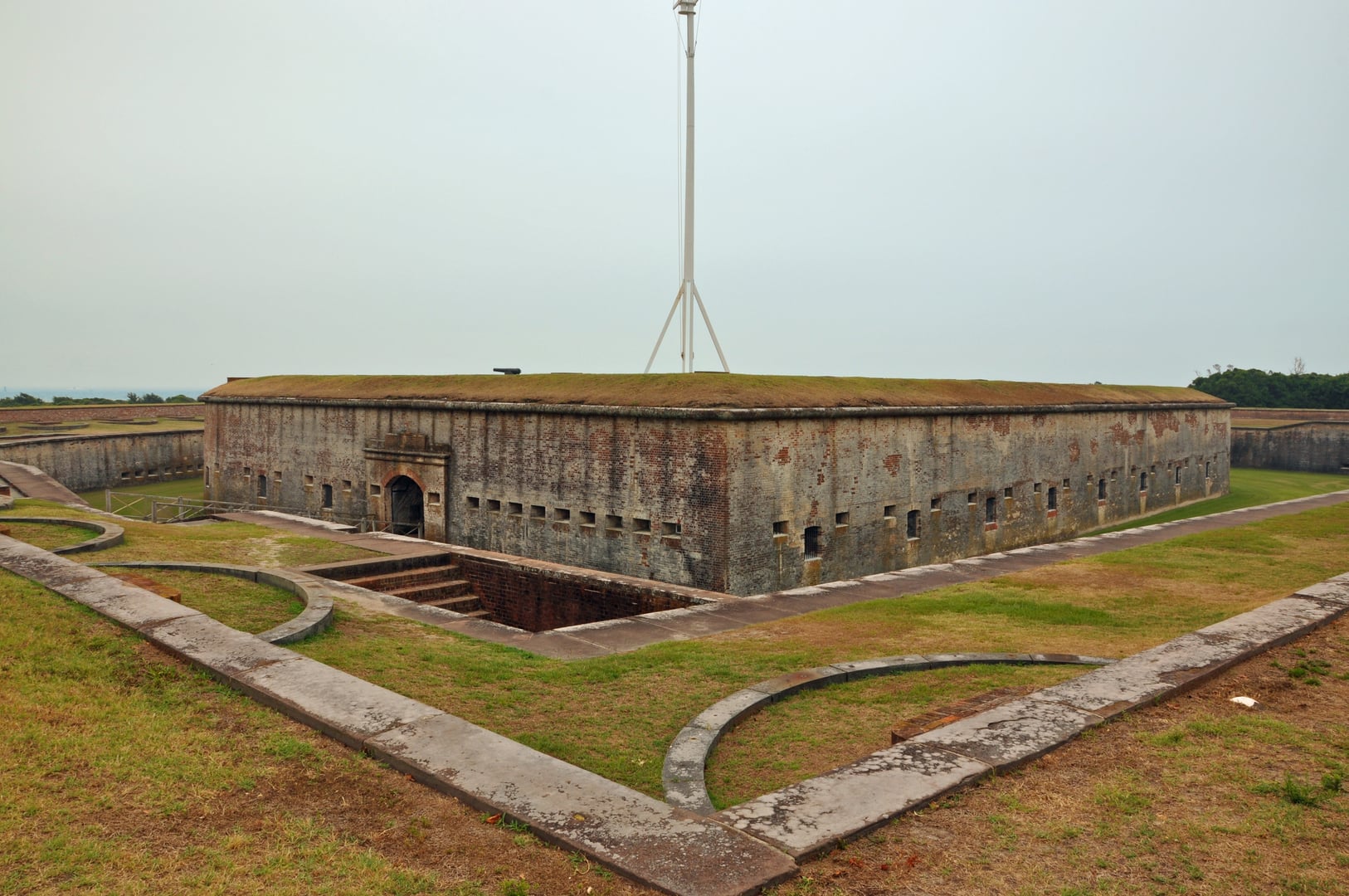
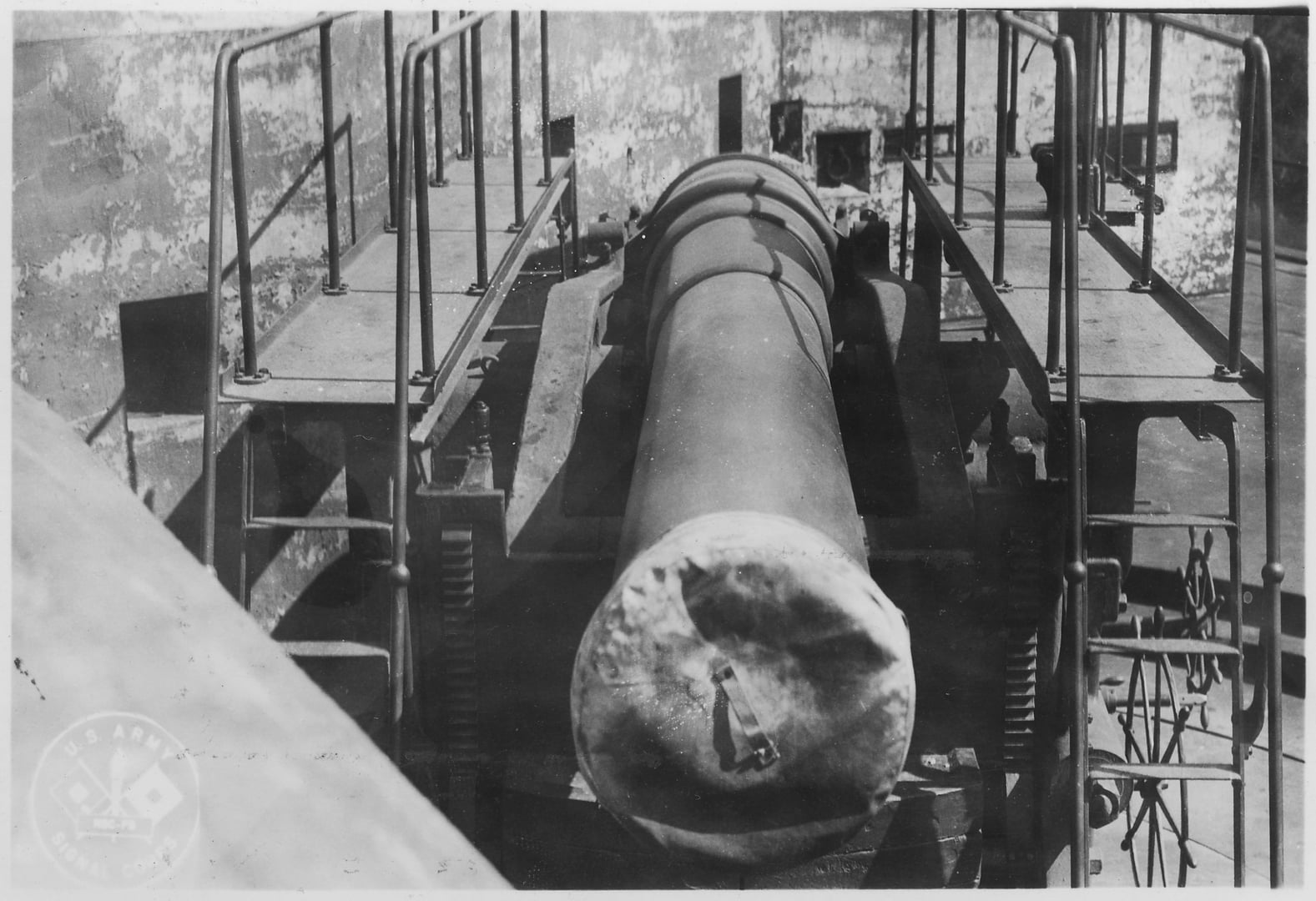
The fort's main work is a long concrete gun line built into an earthen embankment, with emplacements for large-caliber disappearing guns and rapid-fire batteries, plus the magazines, plotting rooms, and passageways behind them. A moat and a parados protected the rear. The fort was garrisoned through the early twentieth century but was made largely obsolete by advances in naval gunnery and was never tested in battle.
The Army deactivated Fort Mott, and in 1947 the State of New Jersey acquired the property. It opened as Fort Mott State Park in 1951. The site is administered by the New Jersey Division of Parks and Forestry and sits on the same Delaware River reservation associated with the Fort Delaware prisoner-of-war dead, who were buried a short distance away at Finn's Point National Cemetery.
The park preserves the gun batteries, the parade ground, and a riverfront walk, and serves as the New Jersey landing for the seasonal Three Forts Ferry to Fort Delaware and Fort DuPont.
Sources
- https://dep.nj.gov/parksandforests/state-park/fort-mott-state-park/
- https://en.wikipedia.org/wiki/Fort_Mott
- https://njmonthly.com/articles/historic-jersey/that-place-is-haunted-confederates-nazis-buried-side-by-side-in-salem-county-cemetery/
Phantom footsteps in the gun batteriesCold spots in the concrete passagewaysFigures glimpsed along the gun lineSense of being watched
The haunted reputation of Fort Mott draws on two things: the dark, echoing concrete batteries themselves, and the fort's place on the same Delaware River reservation as the Fort Delaware prisoner-of-war dead. New Jersey Monthly's feature on Salem County's haunted sites ties the broader reservation — Fort Mott, Fort Delaware, and the Finn's Point graves — together as a single grim landscape.
Reports at Fort Mott follow the pattern common to military ruins. Visitors describe footsteps in the gun batteries when the passageways are empty, cold spots inside the concrete plotting rooms, and the sense of being watched along the gun line. Some accounts describe figures glimpsed near the parapet at dusk. Paranormal-interest groups have included the fort among the sites they investigate in the region.
These accounts are reported experiences and local tradition; none amount to documented proof. What is documented is the history that gives the place its atmosphere — a fort built for a war that never came to it, standing across the water from an island where thousands of prisoners died. The park is open and free during daylight hours, and the batteries can be walked without any need to invoke the supernatural to feel the weight of the place.
Where this legend is told