Est. 1887 · Nebraska Psychiatric Institutional History · Anonymized Institutional Burials · 2009 Court Victory — Restoration of Patient Identities · Adams County Historical Society Preservation
The institution now known as the Hastings Regional Center opened in 1887 under its original designation, the Nebraska Hospital for the Incurably Insane, later renamed the Hastings State Hospital. It was one of a handful of state institutions established in the post-Civil War period to house people with serious mental illness and intellectual disabilities.
Admission records from the hospital's first decades illustrate the broad and often arbitrary standards applied to institutional commitment in the late nineteenth and early twentieth centuries. The Adams County Historical Society has documented entries citing 'domestic trouble,' 'masturbation,' 'overwork,' and similar causes as grounds for admission. Patients could be committed by a single physician's certification without judicial review.
The treatment record of the Hastings State Hospital includes the major somatic therapies of the mid-twentieth century: insulin shock therapy, in which patients were induced into repeated hypoglycemic comas; fever therapy; and electroconvulsive therapy. These procedures were administered through the 1930s and 1940s and into the 1950s, during the period before modern psychiatric medications became available.
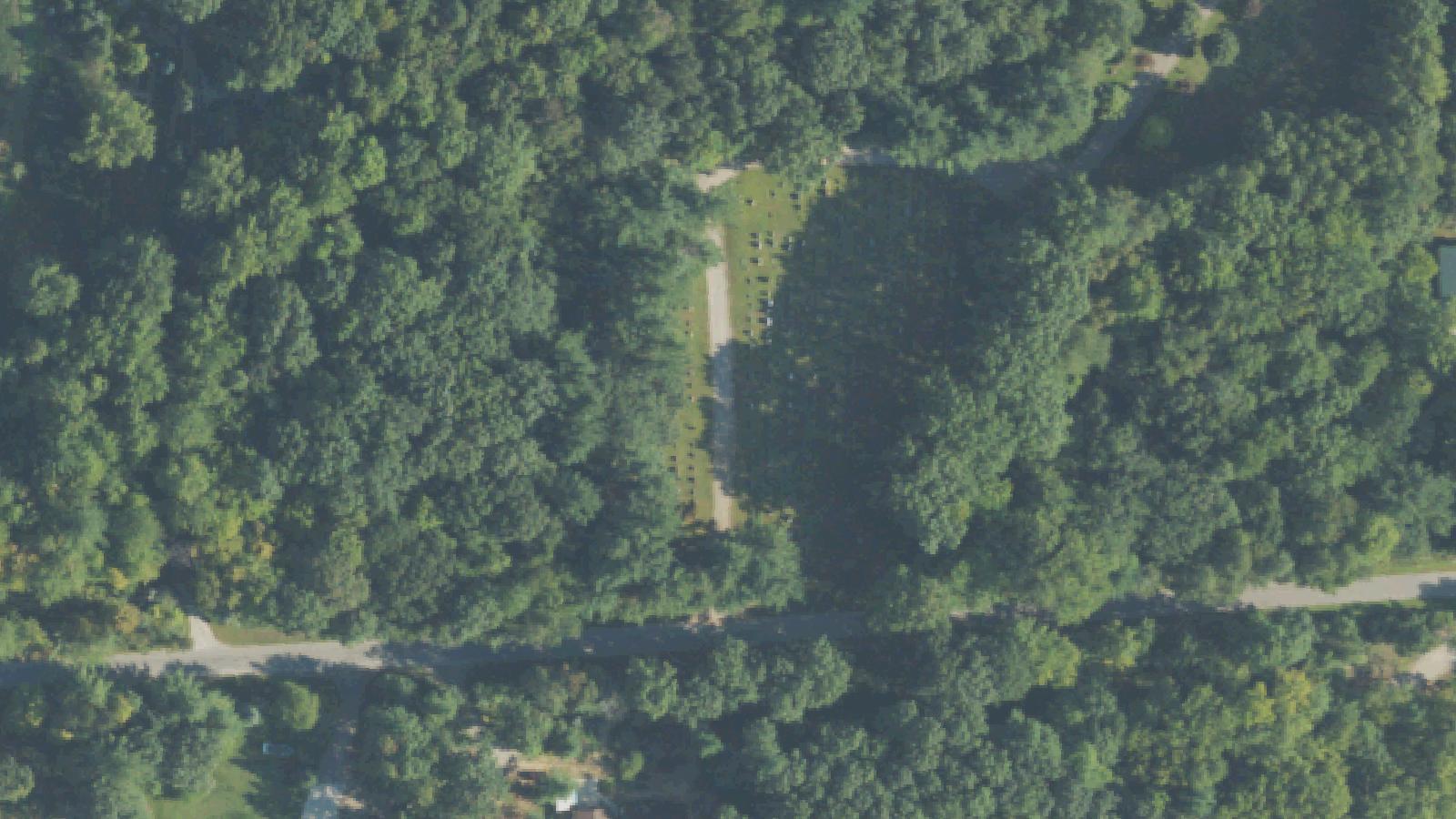
Patients who died at the facility were buried in Ingleside Cemetery on the campus grounds. Grave markers contained only numbers — no names, no dates, no identifying information. The practice reflected standard institutional procedure of the era and the assumption that patients had effectively been severed from their families and prior identities. The last burial in Ingleside Cemetery occurred in 1959. At that point, more than 1,400 numbered graves had accumulated.
Decades later, families attempting to locate ancestors who had been committed to the hospital found that the cemetery records had been sealed. A legal campaign to obtain the list connecting grave numbers to patient names resulted in a court ruling in 2009 requiring the state of Nebraska to release the records to the Adams County Historical Society. The society now maintains the index and assists families searching for relatives buried at Ingleside.
The Hastings Regional Center continues to operate as a psychiatric facility on the same campus. The cemetery is separate from the active treatment areas and accessible to the public.
Sources
- https://www.adamshistory.org/index.php?option=com_content&view=article&id=35&catid=2&Itemid=42
- https://nebraska.tv/newsletter-daily/a-cemetery-is-the-last-link-to-former-hastings-regional-center
- https://nebraskaexaminer.com/2022/06/27/damage-to-cemetery-at-now-closed-hastings-regional-center-saddens-residents/
Ingleside Cemetery does not appear in Nebraska's paranormal literature in the way that some institutional cemeteries do. There are no widely circulated ghost accounts, no documented paranormal investigation visits, and no specific apparition reports in the regional folklore record.
What the site carries is harder to categorize but visible in visitor accounts: the effect of more than 1,400 identical numbered markers in rows, each one once the only evidence that a specific person had lived, been committed, died, and been buried. The 2009 release of the name list has changed how the site is used — families travel to Hastings specifically to stand beside a specific number now linked to a name, and the Adams County Historical Society assists with these searches.
Nebraska public radio and the Nebraska Examiner have both covered the cemetery's meaning to the community. The 2022 Nebraska Examiner piece documented vandalism to the cemetery and the community's response, including efforts by local residents to protect the site. That protective impulse — and the anger generated by the vandalism — suggests the degree to which the site functions as a memory site for Hastings and for families with institutional history in Nebraska.
Where this legend is told