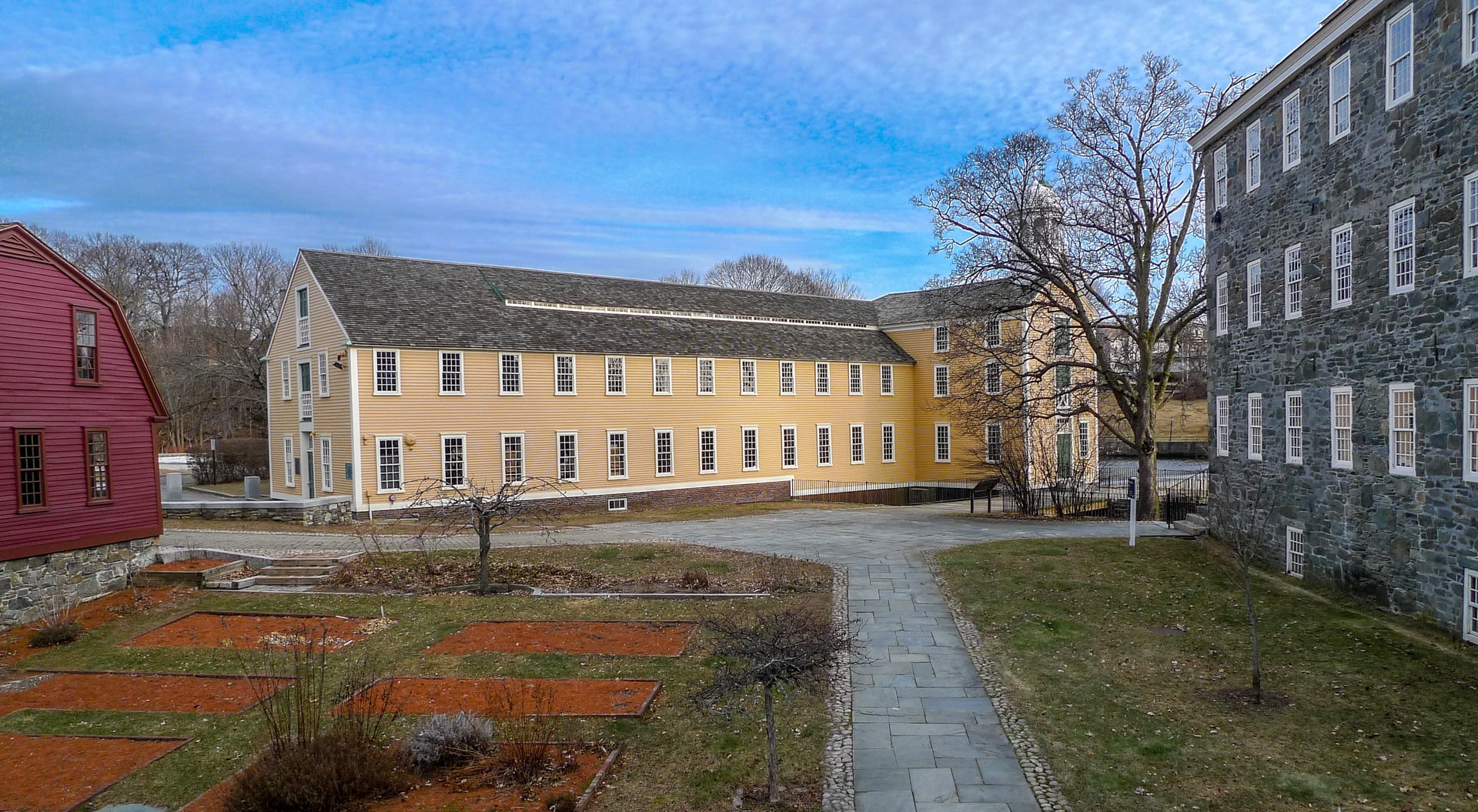
Est. 1867 · One of the best-preserved frontier-era military forts in the northern plains — all 16 original buildings standing · Federal Native American boarding school 1891–mid-20th century, with documented deaths of children · Located on the Spirit Lake Reservation (Sisseton and Wahpeton Oyate homeland) · North Dakota State Historic Site since 1960
Construction of Fort Totten began in 1867 and was completed around 1873. The fort was built on the Spirit Lake Reservation — the homeland of the Sisseton and Wahpeton Oyate — as a military post during the period of U.S. Army presence across the northern Great Plains following the Civil War. For roughly two decades it served as a military installation, with soldiers garrisoned there to project federal authority and respond to conflicts in the region.
In 1891 the Army transferred Fort Totten to the Bureau of Indian Affairs. The federal government then converted the fort buildings into a Native American boarding school, part of a national policy of forced assimilation that operated on the model promoted by Richard Henry Pratt: removing Native children from their families and communities, suppressing Indigenous languages and cultural practices, and instilling English-language and Euro-American habits through strict discipline. The Fort Totten school remained in operation into the twentieth century. Children died there, primarily from tuberculosis, which spread in the institutional setting.
The harms inflicted by the boarding school system — forced family separation, cultural suppression, and deaths — are documented by the State Historical Society of North Dakota and contextualized in the fort's interpretive programming. The Fort Totten school is one of many such institutions across the country whose history has been the subject of federal acknowledgment and community reckoning in recent years.
Fort Totten was transferred to state ownership and designated a state historic site in 1960. All 16 original fort buildings survive, making it one of the most intact frontier-era military installations in the northern plains. The State Historical Society of North Dakota administers the site with interpretive programming covering both the military period and the boarding school years. One of the original buildings operates as the Totten Trail Historic Inn, offering overnight stays on the historic grounds.
Sources
- https://www.history.nd.gov/historicsites/totten/index.html
- https://blog.statemuseum.nd.gov/blog/night-at-the-museum
- https://onlyinyourstate.com/north-dakota/historic-totten-trail-haunted-nd
Shadow figures in hallwaysFull-body apparitions in roomsDoors opening without causeObjects found displaced by morning
The Totten Trail Historic Inn operates inside one of Fort Totten's original 1867–1873 buildings, and accounts of unusual activity there have been gathered by multiple sources independent of the ghost-aggregator circuit. Only in Your State documented overnight guest reports including shadow figures moving through the hallways, full-body apparitions seen in the rooms, doors opening without any visible cause, and objects displaced from where they were left by morning.
The State Historical Society of North Dakota's own blog — a more credible source than typical paranormal listings — covered overnight stays at the inn and described experiences that align with the guest accounts. The reports are consistent across sources and include enough independently gathered detail to warrant the site's overnight-stay designation.
The fort's interpretive frame places the reported experiences within the full history of the site: the military period, and significantly, the boarding school years in which children died on the grounds. The State Historical Society presents that history directly, and the interpretive material invites visitors to consider what weight accumulated history leaves in a place that has served so many functions across 150 years. HauntBound does not speculate on the origin of the reported phenomena, but presents the accounts as gathered from multiple independent sources.