Est. 1949 · Only Surviving US Heavy Cruiser · Des Moines-Class — Final All-Gun Cruiser Design · 1953 Ionian Islands Earthquake Relief · Cold War Sixth and Second Fleet Flagship
USS Salem (CA-139) was commissioned at the Boston Navy Yard on May 14, 1949. She was the second of three Des Moines-class heavy cruisers, a design that represented the final evolution of the all-gun heavy cruiser. The Des Moines class carried an automatic 8-inch gun system capable of firing at roughly three times the rate of previous designs; the ships were the most powerfully armed conventional gun cruisers ever built by the United States Navy.
Salem served as flagship of the US Sixth Fleet in the Mediterranean and later as flagship of the US Second Fleet in the Atlantic during the early years of the Cold War. In August 1953, a series of powerful earthquakes struck the Ionian Islands of Greece — the largest measured approximately 7.2 magnitude. The earthquakes killed approximately 800 people and injured thousands more. Salem was ordered to the disaster zone as part of a US humanitarian relief mission.
The ship served as a floating hospital and morgue during the relief operation. Greek civilian casualties — both survivors requiring medical treatment and those who did not survive — were brought aboard. The ship's morgue was used for the dead. The number of Greek civilians who died in Salem's care is not precisely documented in publicly available records; the ship returned to duty after the relief mission was complete.
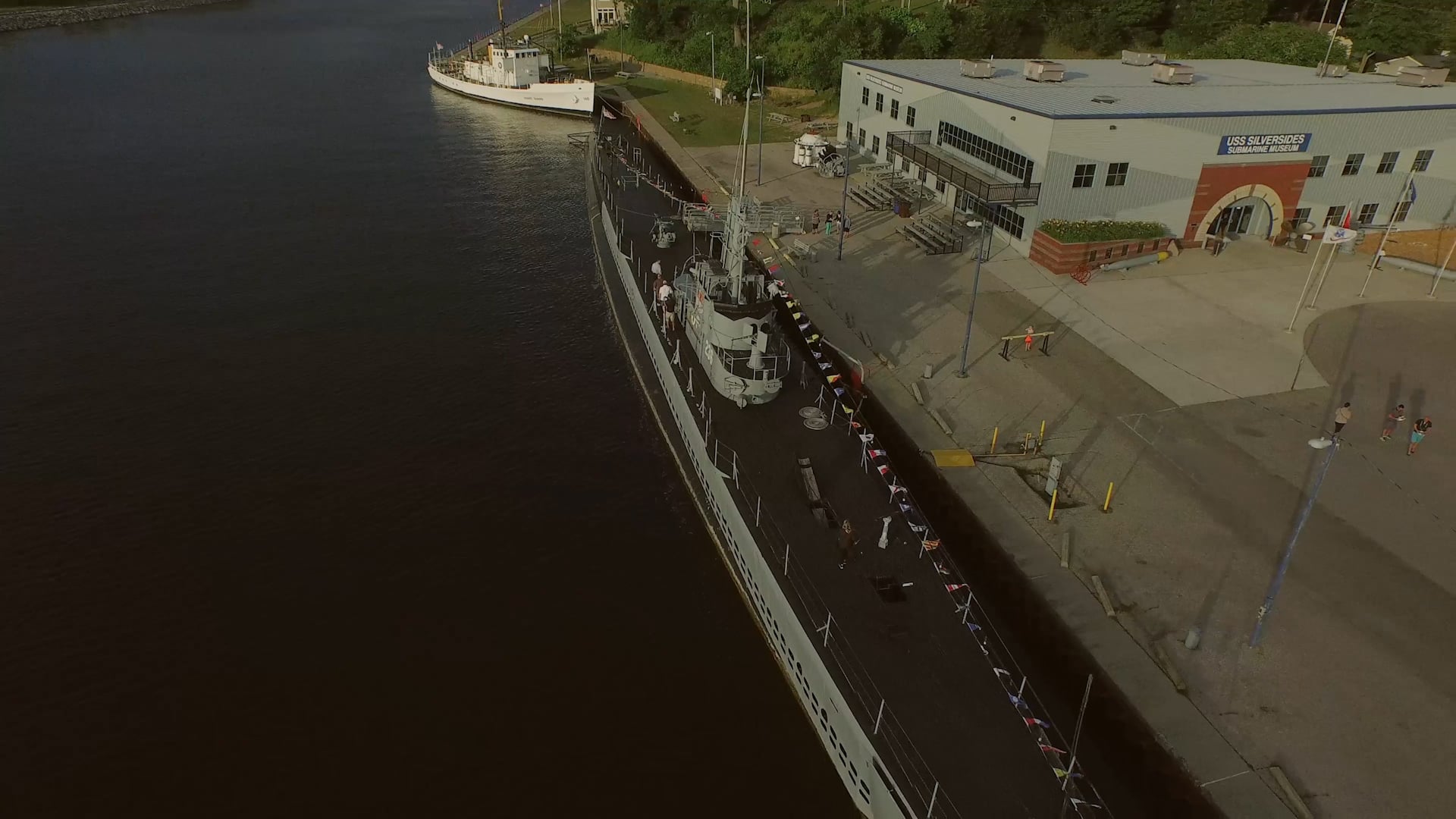
Salem was decommissioned on January 30, 1959. She was preserved as the flagship of the United States Naval Shipbuilding Museum at the former Fore River Shipyard in Quincy — the shipyard where she was built. She is the only surviving example of the Des Moines class and the only preserved US heavy cruiser currently afloat. The museum operates within the former industrial waterfront setting.
The ship was featured on the Travel Channel's 'Most Terrifying Places in America' in 2019.
Sources
- https://www.uss-salem.org/paranormal-experience/
- https://bostonghosts.com/the-uss-salem-the-haunted-ghost-ship/
- https://nightlyspirits.com/the-haunted-uss-salem-in-quincy-harbor-boston/
- https://ghostcitytours.com/boston/haunted-boston/uss-salem/
ApparitionsShadow figuresObjects movingDisembodied voicesEVPBattery drainCold spots
The most frequently cited origin story for USS Salem's paranormal reputation is the 1953 Ionian Islands earthquake relief mission. Paranormal investigators and regional writers point to the ship's morgue — used during the operation for Greek civilian dead — as the locus of what has been reported in the decades since.
The most specific account involves a night watchman who was alone below decks when he heard a clear, audible voice speak a name. He identified it as his own name, spoken distinctly in an otherwise silent area of the ship. The same watchman documented observing cookware in the galley — pots and hanging utensils — moving without physical contact: swinging, rattling, and in one case lifting off its hook before returning. Boston Ghosts and Nightly Spirits both cite this account in their documentation of the ship's paranormal history.
A second figure recurs in visitor and staff accounts: a cook in period-appropriate uniform, observed in or near the ship's galley and sometimes in passageways below the main deck. Reports describe the figure as distinct enough to be mistaken for a living person before the observer realizes no active food service is occurring. Shadow figures are reported separately in the forward crew quarters and engineering spaces.
Greater Boston Paranormal Associates has conducted formal investigations of Salem under the museum's overnight program since at least 2012. Investigation logs describe EVP recordings, K2 meter activations, and battery drain in the galley and below-decks crew spaces. The paranormal page schedules the program for the 2025 season; ask the museum about current dates.
Notable Entities
A figure in cook's uniform (galley and below-decks passageways)
Media Appearances
- Most Terrifying Places in America (Travel Channel, 2019)
Where this legend is told