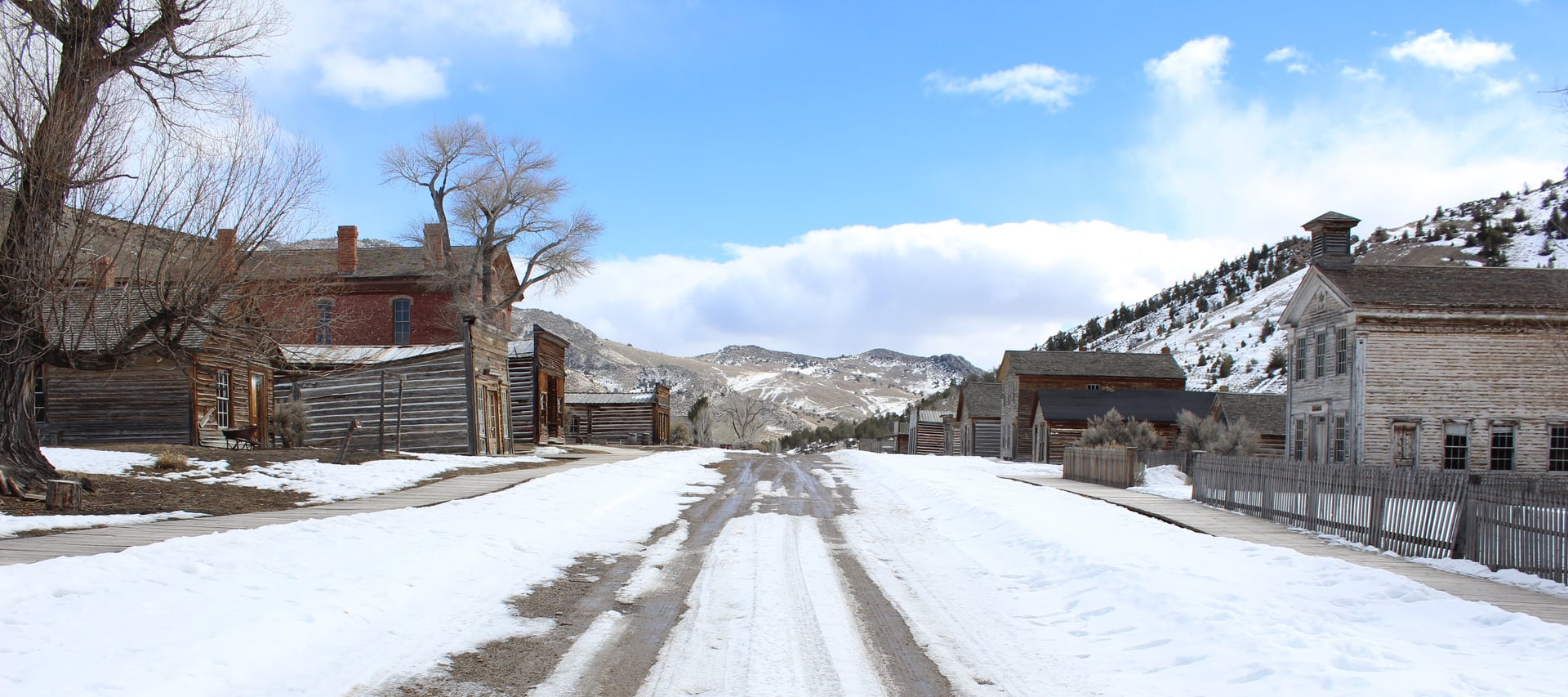
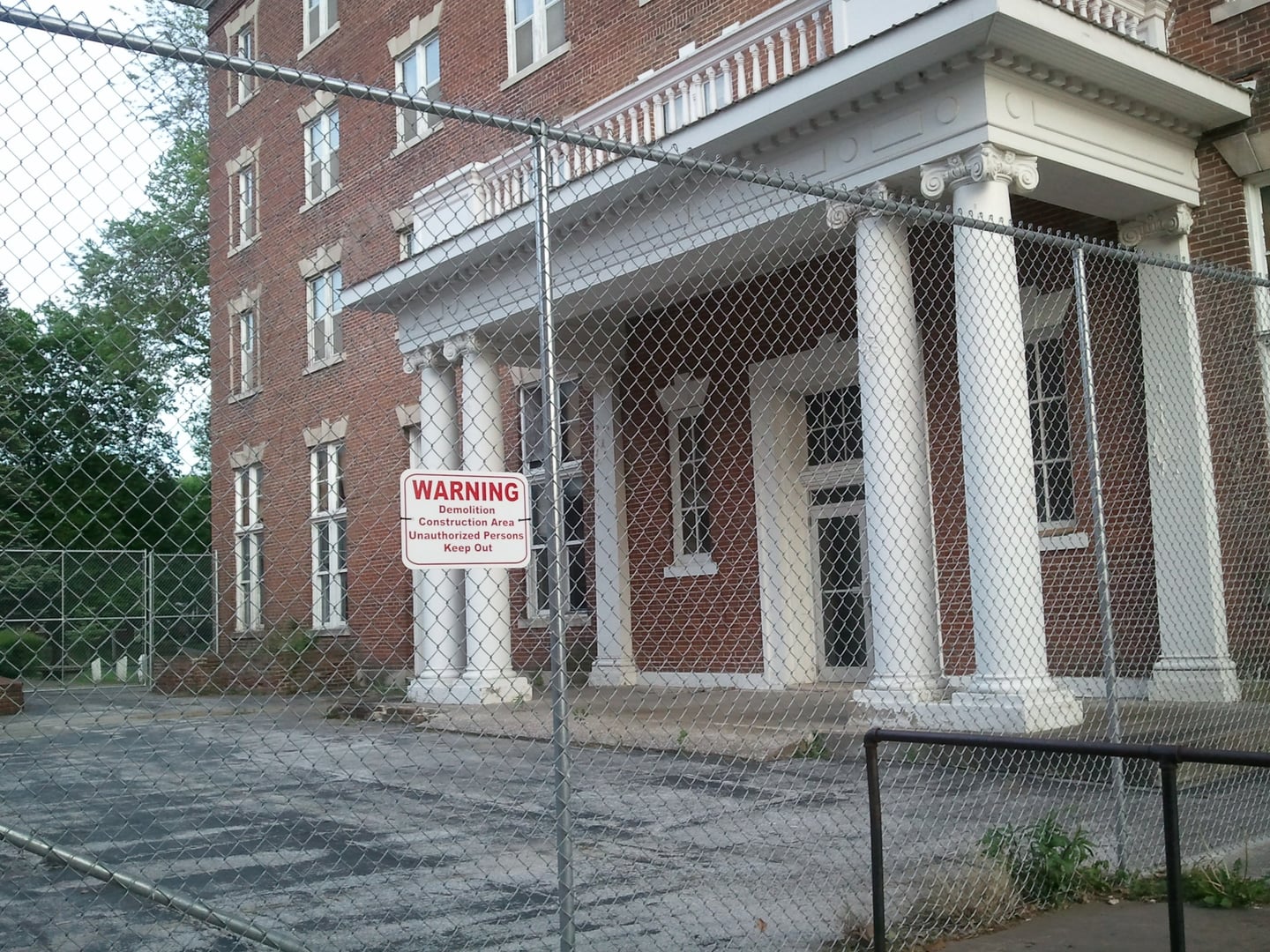
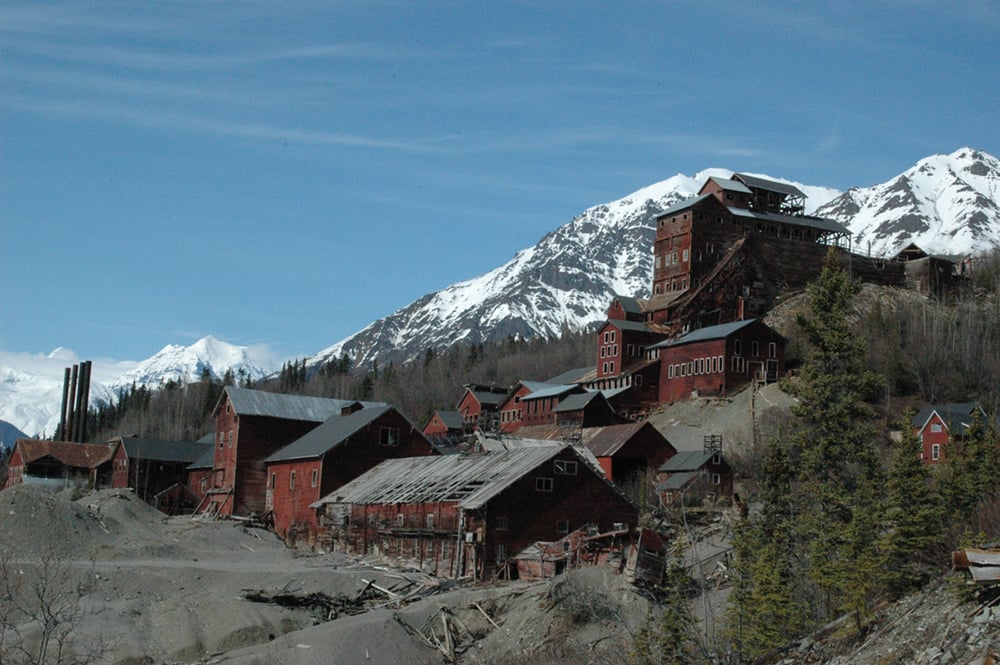
Est. 1890 · One of Missouri's oldest European-founded settlements, established c. 1749 by Francois Valle · Major lead-mining district documented in USGS geological and mining-history publications · The 240-foot hand-blasted railroad tunnel (1890) is a significant piece of Ozark industrial heritage · Valle Mining Company records (1821–1972) preserved at the State Historical Society of Missouri · Slave cemetery adjacent to the tunnel site documented during Ghost Research Society 2017 investigation
Francois Valle founded the settlement at Valles Mines around 1749, making it among the earliest European-established communities in what would become Missouri. Lead ore had been worked in the area since Native American times, and colonial-era French mining continued through the Spanish period and into U.S. statehood. The Valle Mining Company incorporated in 1821 after Missouri statehood, and between 1829 and 1859 the USGS documents 101 mines operating in the district. Account books and ledger records from the Valle Mining Company are preserved at the State Historical Society of Missouri.
The district's last major infrastructure development came in 1890 when the Mississippi River & Bonne Terre (M.R. & B.T.) Railway pushed a branch line to Valle Mines, requiring a tunnel blasted through a hill at the center of the settlement. Workers drove the 240-foot bore through solid rock by hand, and the area around it quickly became known as Tunnel Town. The tunnel was associated with two local figures: the Bill family, who owned mining operations in the immediate area, and William Heinrich, a German immigrant who was employed — by informal arrangement with the mining company — as the tunnel's caretaker and trespasser deterrent.
Heinrich, known universally as Tunnel Bill, remained in the increasingly empty town after operations wound down following World War I, when the collapse of lead prices devastated the district. He and his wife subsisted modestly; she took in laundry from workers in nearby Silver Springs, a mile down the tracks, and Heinrich would hang a lantern at the tunnel entrance each evening to guide her home after dark. This practice of the lantern light became the seed of the location's enduring ghost legend.
Today the former rail corridor through Valle Mines has been converted into a hiking and biking trail. The tunnel itself — intact and passable — sits at the center of a USGS-documented historical mining landscape. The Ghost Research Society conducted a formal investigation of the Valle Mines sites in 2017, examining both the historic buildings and a nearby slave cemetery.
Sources
- https://www.usgs.gov/publications/geology-and-mining-history-southeast-missouri-barite-district-and-valles-mines
- https://ghostresearch.org/Investigations/valles.html
- https://files.shsmo.org/manuscripts/rolla/R1278.pdf
- https://www.mindat.org/loc-282337.html
Moving lantern or ghost light near tunnel entranceSensation of being escorted or urged out of the tunnelGeneral atmospheric unease inside the tunnel
The ghost story of Tunnel Bill is unusual in Missouri paranormal lore because it rests on a documented historical figure whose unusual life circumstances directly inspired the legend. William Heinrich, a German immigrant who was physically disabled, was given informal custodial responsibility for the Valle Mines tunnel and surrounding mine workings after the railway ceased operations. According to accounts preserved on the Valle Mines community history website and documented in the Haunts of Missouri blog, Heinrich stayed behind when everyone else left, keeping watch on the dangerous open-mine shafts to protect curious children and trespassers.
Heinrich's wife worked as a laundress for workers in Silver Springs, a mile down the old railroad corridor, and Heinrich established the practice of hanging a lantern at the tunnel entrance each evening so she could find her way home through the dark. The lantern light became the focal point of the paranormal tradition: numerous visitors over many decades have reported seeing an unexplained moving light near the tunnel, which local legend attributes to Tunnel Bill's ghost still performing his nightly ritual.
According to the Haunts of Missouri account and confirmed by the Ghost Research Society investigation, those who enter the tunnel without respectful intent report being 'escorted out' — an insistent, discomforting presence that moves visitors toward the exit. The Ghost Research Society's formal 2017 investigation found no conclusive EVP, photographic, or video evidence, though investigators noted minor electromagnetic anomalies. They reported the site provided a 'productive historical experience,' a phrase that reflects the tunnel's value as a living piece of industrial history regardless of paranormal activity.
The Shadowlands submission also references an old slave cemetery near the tunnel, which the Ghost Research Society documented during their investigation. Visitors should approach this site with appropriate respect.
Notable Entities
William 'Tunnel Bill' Heinrich (caretaker, historical figure)